As the celebrations marking the start of 2025 subside the night sky will appear as illustrated below from a dark location.


Just after midnight our Milky Way extends from the north west nearly overhead and then down to south east horizon. From a dark location this a lovely sight to see with the naked eye but through low power binoculars the Milky Way really “pops out”.
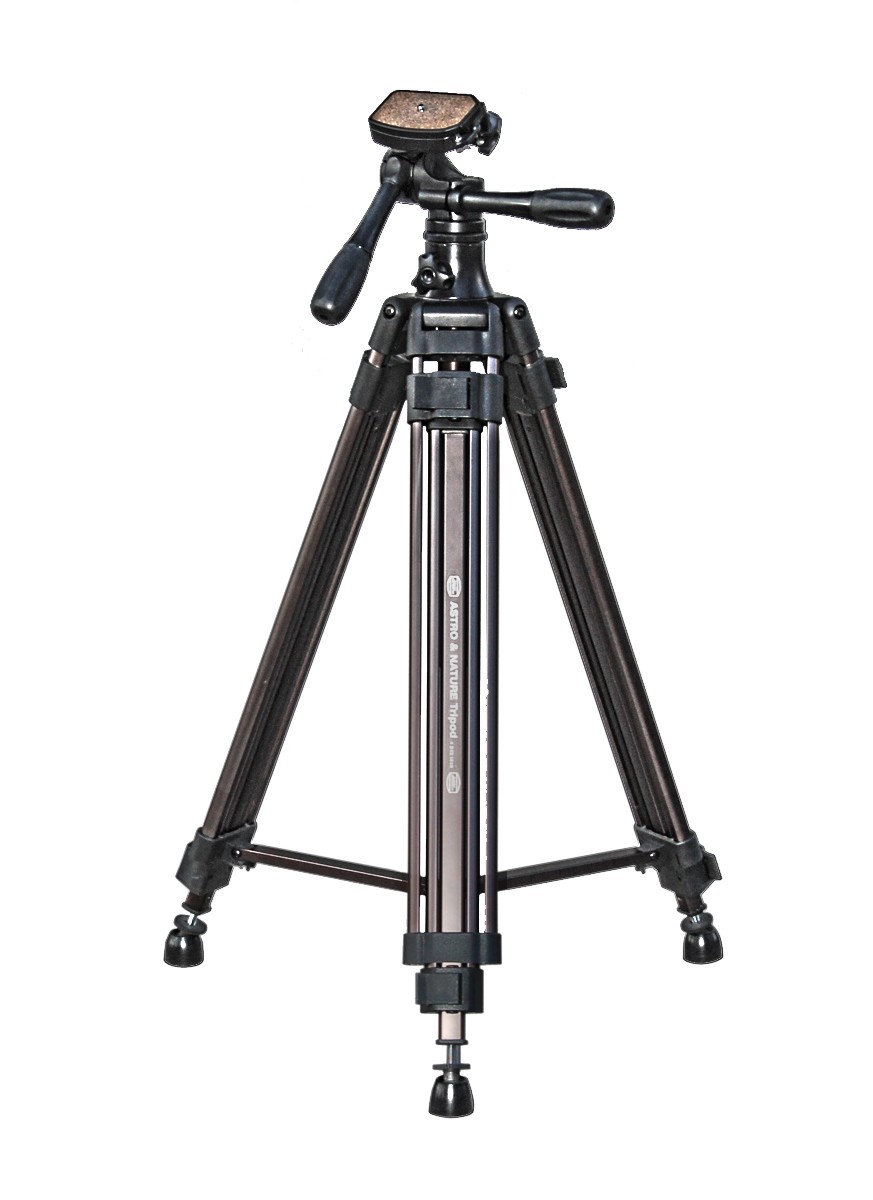
If you want to scan the night sky with binoculars for extended periods or with a spotting scope a sturdy trip can be beneficial. The Astro & Nature Photo Tripod w. Fluid Head and quick mounting plate (#2451020 ) has a fluid head for smooth motion, can carry up to 3kg of camera, spotting scope or binocular payload and extends from 78.5cm up to 188.5cm in height. Many binoculars come with an adaptor to allow you to mount them onto a tripod but if you do not have one the Bino-Stronghold Binocular-Holder (#2450305 , € 22,- ) made of 4mm thick steel allows a rigid connection.
Red dot zero power finderscopes are often fitted (or can be fitted) to telescopes to help you locate celestial objects. They can also be useful for binoculars too. The Sky Surfer III (LED red dot finder) (#2957300 , € 45,- ) which features a large 30mm aperture (compared to 20mm for many other types) for ease of use in locating objects, a long dew shield to help combat dew formation and variable brightness red LED. It also comes with a range of adapters to allow the finder to be attached to many types and brands of binoculars, spotting scopes and telescopes.
Towards the west the constellations of Pegasus and Andromeda head toward the western horizon ready to make their return in the autumn.

Along the northeast region of the Milky Way like Cassiopeia, Perseus and Auriga. Here there are many open clusters which are good binocular targets such as the Double Cluster in Perseus and Messier 36, 37 and 38 in Auriga.
Lying below Auriga is the constellation of Taurus which contains the famous Pleiades open cluster which is also a great sight through binoculars. The gas giant planet Jupiter, the largest planet in our Solar System, currently resides near the Hyades cluster. To the east of Taurus lies Gemini and Cancer with the red planet Mars situated between them. Below Gemini and Taurus lies what some consider to the main winter constellation - Orion. This is probably one of the most well known of the constellations and harbors probably the most famous of any deep sky objects - the great Orion nebula. Also known as Messier 42 it is a region of star birth lying around 1400 light years distant. This is a great object to view through binoculars and telescopes at low power. Lying to the south east of Orion is Canis Major whose brightest star is the brightest star in the night sky, Sirius at magnitude -1.46.
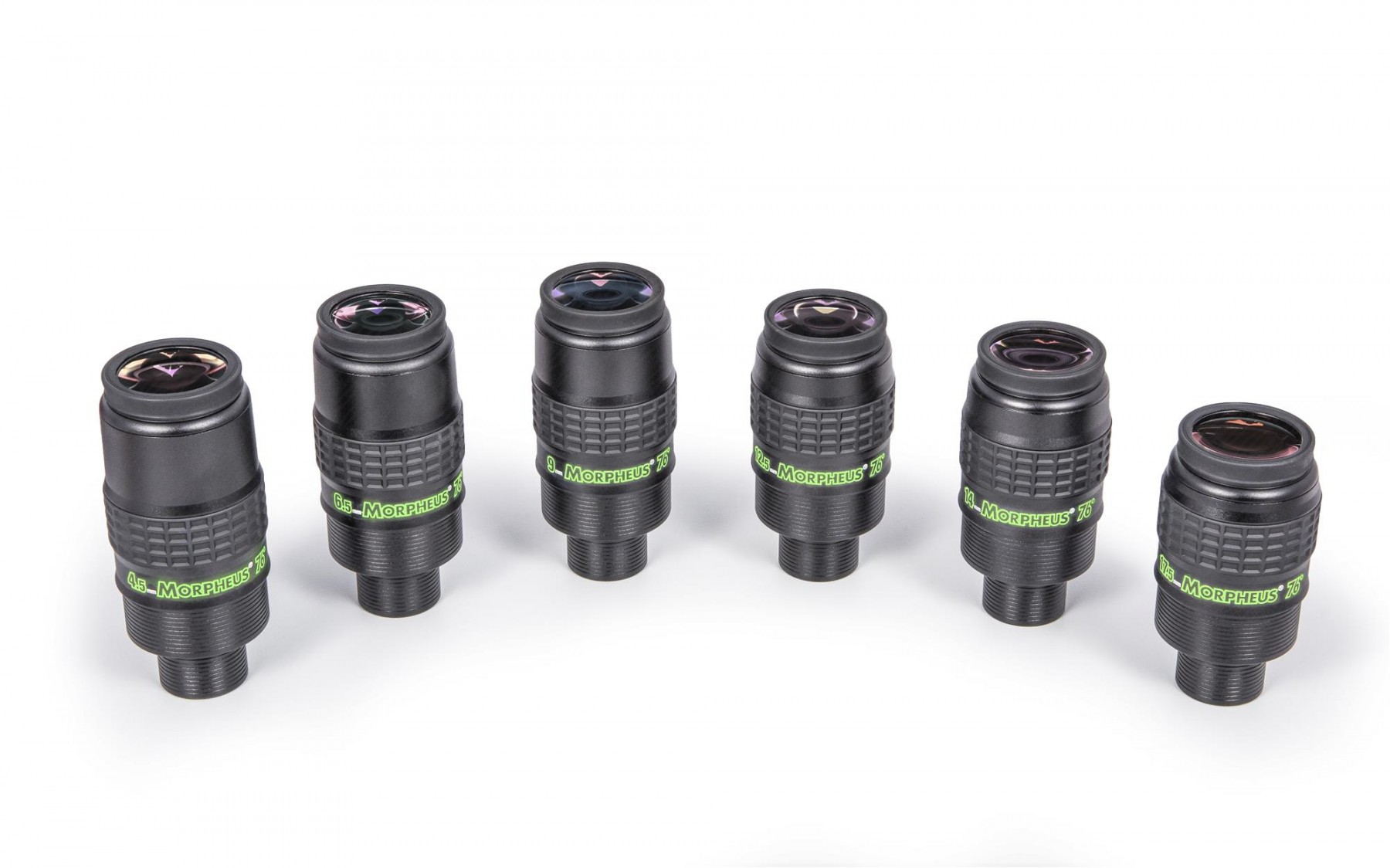
Looking towards the eastern part of the sky are constellations of Leo and Coma Berenices. These constellations, which will dominate the spring night sky, harbor many galaxies. That time of year is often referred to “galaxy season”. Telescopes such as the StarSense Explorer Dobsonian range, which use Celestron’s patented Starsense Explorer technology with your smartphone help you easily and accurately locate thousands of celestial objects. These telescopes combined with the Baader Morpheus eyepieces which have an wide ultra-sharp 76° undistorted flat field, optimized for telescope bino-viewing and ~ 20mm of eye relief which give a truly immersive observing experience and make a fantastic pairing not just for galaxy season but when observing a great many deep sky objects at other times of the year.
Solstices and Equinoxes
The seasons on Earth change on four specific days each year. There are two solstices where, for the northern hemisphere, the sun is lowest in December and highest in June. In March and September, there are two solstices where the length of day and night are similar. The dates of the equinoxes and solstices for 2025 are:
- March 20 - Spring Equinox: Takes place at 10:01 CET and is the first day of spring in the Northern Hemisphere and the first day of autumn in the Southern Hemisphere (Autumn Equinox).
- June 21 - Summer Solstice: Takes place at 04:42 CEST and is the first day of summer for us in the Northern Hemisphere. In the southern hemisphere, it is the first day of winter (winter solstice).
- September 22 - Autumn Equinox: at 20:19 CEST is the first day of autumn in the northern hemisphere and the first day of spring (spring equinox) in the southern hemisphere.
- December 21 - Winter Solstice: takes place at 16:03 CET. For us in the Northern Hemisphere, it is the first day of winter and the first day of summer (summer solstice) for those in the Southern Hemisphere.
Meteor Showers and Wide-field Phenomena
Throughout the year there are numerous "wide-field" events such as meteor showers, the aurora borealis and noctilucent clouds (NLC’s) to watch out for. It's always exciting to observe or photograph these because we don't know exactly how "active" such events will be.
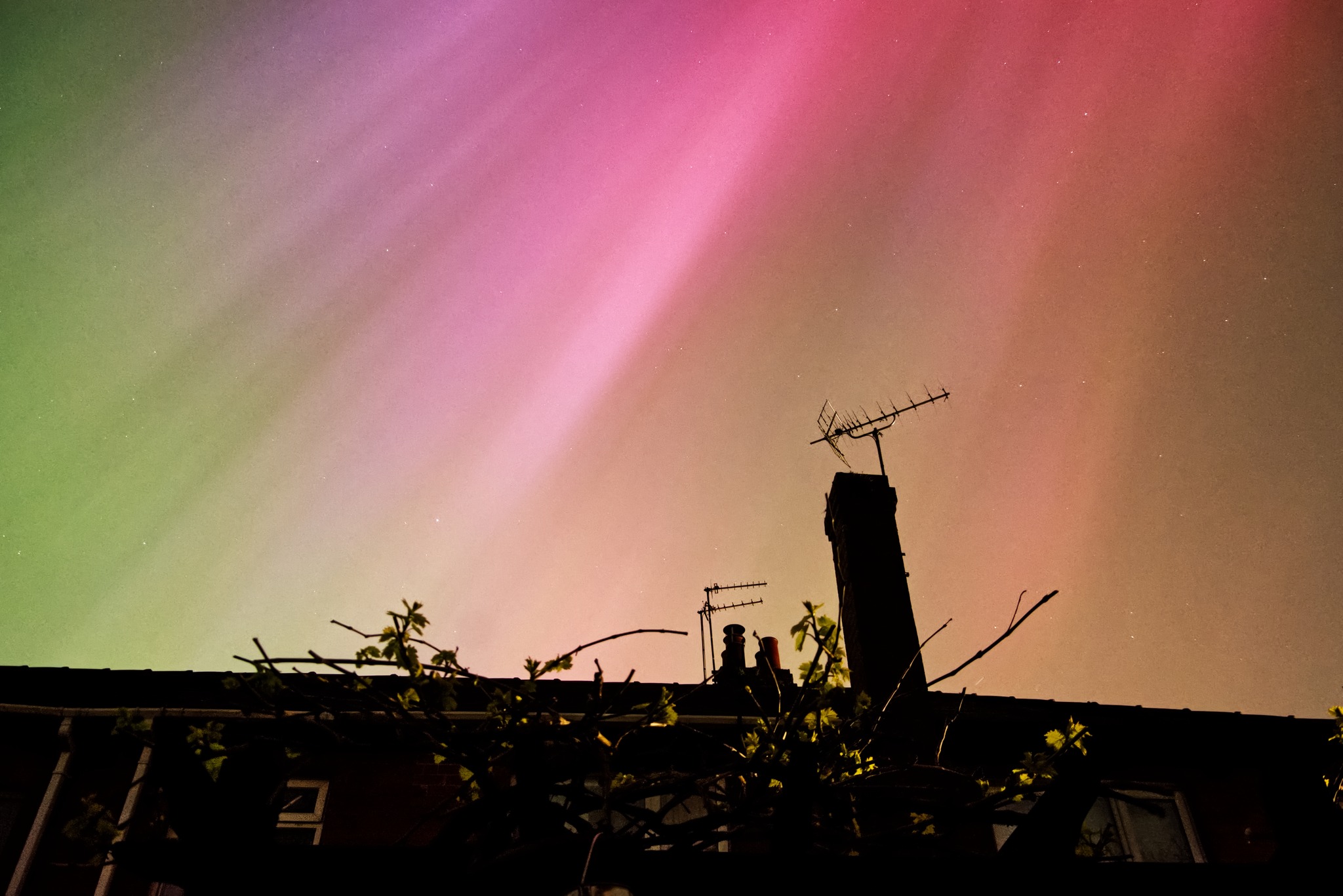
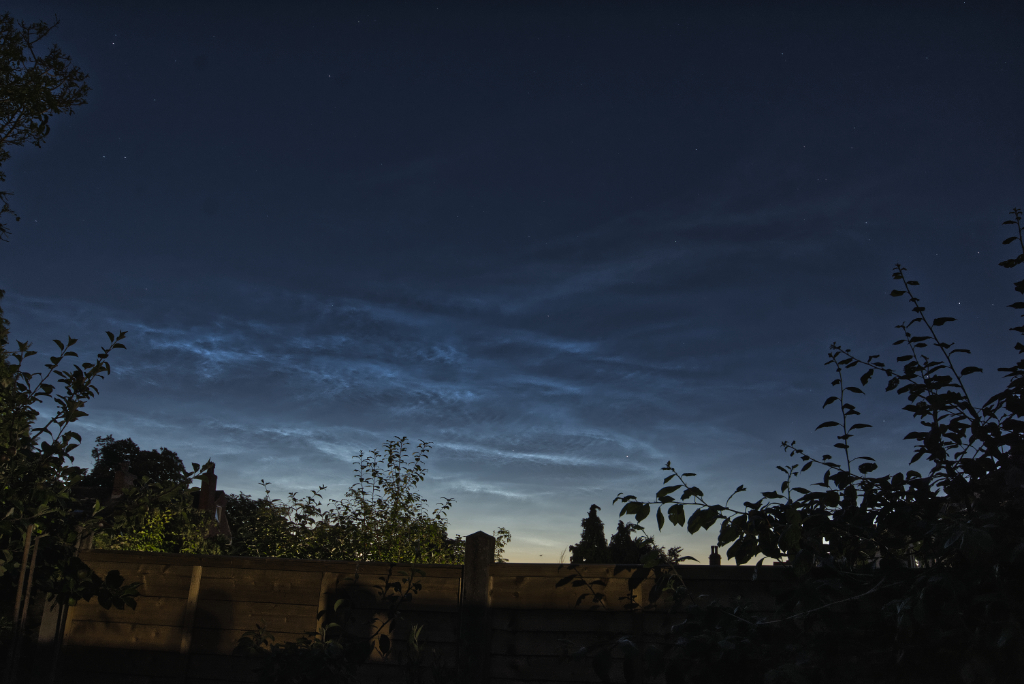
To observe these types of phenomena you don't need any special astronomical equipment such as a telescope or binoculars - you only need your eyes! However, we recommend a camping chair or recliner so you can sit comfortably over an extended period to see much of the sky as you may be outside for a long time (especially during meteor showers)! It can also be cold, so you can also lie under a cozy blanket or in a sleeping bag to keep warm - don't get too comfortable though, or you'll fall asleep and miss the event above you! Further information on meteor showers can be found here: Meteor Group of the VdS
If you want to record meteor showers (as well as aurora and NLC’s) all you need is a camera or smartphone (with tripod cradle adapter) mounted on a suitable tripod such as the Astro & Nature Photo Tripod w. Fluid Head and quick mounting plate (#2451020 ) with a wide-angle or standard lens (an intervalometer can also be useful).
For meteor showers you can find out more in Celestron’s guide to meteor showers.
Below are the dates for the maxima of the most important meteor showers in 2025. The ideal time to see a meteor shower is when the Moon’s phase does not interfere by “washing out” the fainter meteors.
- 3 January: Quadrantids. With a crescent Moon setting earlier in the evening meaning fainter meteors may be seen and captured. The meteor shower has its radiant in Bootes and could have a peak of up to 40 meteors per hour.
- 22 April: Lyrids. The Moon will not severely affect this shower meaning better visibility of fainter meteors. The shower could have around 20 meteors per hour.
- 6 May: Eta-Aquarids. This is an active shower with up to around 60 meteors per hour but the brightness of a waxing gibbous Moon may mean fainter meteors may be missed.
- 29-30 July: Delta Aquarids. With up to 20 meteors per hour and with a crescent Moon setting in the early evening it could be a nice shower to observe in the warmth of the summer night.
- 12 August: Perseids. This is one of the most well known showers with up to 60 per hour. This year, however, the Moon is in its waning gibbous phase meaning fainter meteors will be harder to see.
- 21 October: Orionids. This highly popular and well known meteor shower, with up to 20 meteors per hour, is produced by the dust left behind by the famous Halley's Comet. With a new Moon occuring on the 21st the shower will be “Moon-free” for a dark sky so should be an excellent show to enjoy.
- 17 November (morning): Leonids. This has up to 15 meteors per hour and this year with only a thin crescent Moon this should be a nice shower to view.
- December 13 and 14: Geminids. This meteor shower is often considered to be the “king” of meteor showers where up to 120 meteors per hour have been seen per hour. This year, however, a second quarter Moon may mean some of the fainter meteors are missed but with many meteors per hour it is still well worth viewing and could be a great way to end the “meteor year”.
The Moon
Our Moon is a popular target for viewing and imaging for both beginner and experienced astronomers alike. Binoculars such as the Celestron SkyMaster 20x80 with their 20x magnification and 80mm aperture with show many surface features compared to the naked eye. The Moon is a more impressive sight even when seen in a small beginner's telescope where you will be able to see many craters, “seas” and mountain ranges.
The best time to observe the moon is the time leading up to its first quarter phase and from the third quarter when the shadows on the moon's surface are longest and the moon is not too bright. Around the time that the phase of the Moon is near full its brightness can be overwhelming leading to uncomfortable viewing. There are two filter accessories that can help allow you to observe the Moon in comfort:

- Baader Double Polarizing Filter: These filters can vary the amount of light entering the eyepiece by simply rotating one of the filter cells. Available in 1.25” and 2”.
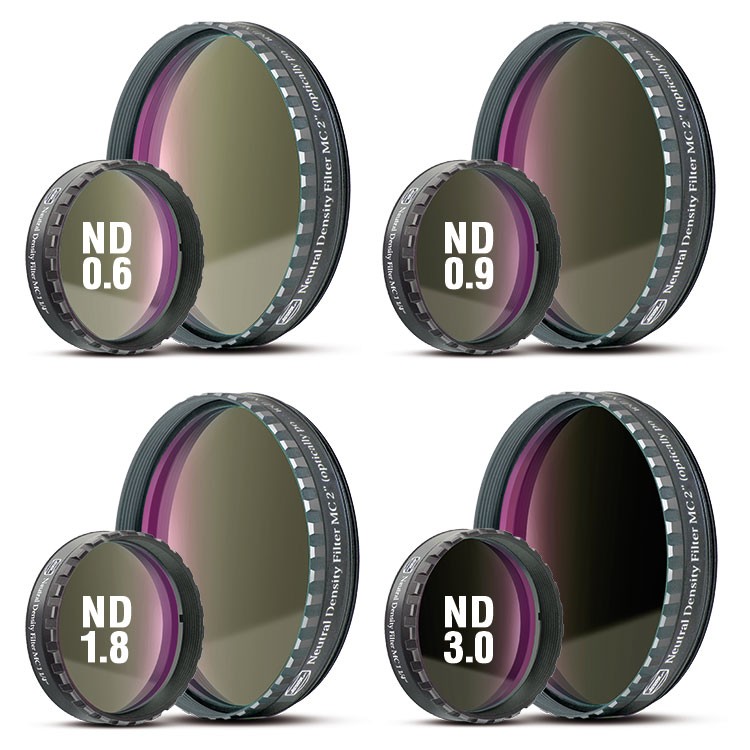
- Baader Neutral Density Filter (ND 0.6 / 0.9 / 1.8 / 3.0): These can help cut down the brightness by transitting only 25%, 12.5%, 1.5% and 0.1% respectively of the light to the eye.
Here is a small selection of Lunar features for you to find and observe:
- Craters: Plato, Gassendi, Aristarchus, Copernicus, Tycho
- Mares (seas): Tranquillitatus, Frigoris, Imbrium, Crisium, Nectaris
- Other features: Lunar Appenines, Hadley Rille, Vallis Alpes, Rupes Recta
If you want to observe or image the Moon, or plan your observing or imaging of deep sky objects around times where the Moon will not interfere, the dates for the main Lunar phases for the city of Munich for the coming year can be found here.
The Planets
If you want to view or image a planet a telescope is needed. There are a wide range of Celestron telescopes that are suitable for planetary study to suit all budgets, from manually operated to app-enabled and fully computer-controlled GoTo instruments. For planetary (and lunar) observers refractors, Maksutov-Cassegrain or Schmidt-Cassegrain optical systems are popular choices all of which are available on various types of mounts. Given the large selection of telescopes that are currently available, we suggest that you should contact one of our authorized Celestron dealers or ourselves if you are interested in planetary observation (or lunar and deep sky study) for the best possible advice on which one would be suitable for you. Our article on the best telescope apertures for different celestial objects could also be helpful.

Alongside a telescope, suitable eyepieces also need to be considered. Baader Planetarium offer their Classic Orthoscopic and Plossl eyepieces and 1.3x/2.25x barlow for planetary (and lunar) observing. Orthoscopic eyepieces are often the eyepiece of choice for many Lunar and planetary observers with their very high image quality and sharpness. The Baader Classic Ortho eyepieces are available in focal lengths of 6mm, 10mm and 18mm.
These high-quality eyepieces have a 52° apparent field of view (50° for the Plössl), and are parfocal meaning little or no refocussing being necessary when swapping to a different Classic Ortho/Plössl eyepiece. To further increase the magnification of these eyepieces the unique Barlow Lens Q-Barlow (1.3x / 2.25x) (#2956185 , € 55,- ) can be used.

If you have or planning to purchase the whole set of classic eyepieces then you may find the Q-Turret 4x Eyepiece revolver (#2957010 , € 55,- ) is a very useful accessory. It allows you to quickly and easily change between eyepieces (and magnification) by simply rotating the turret rather than having to keep removing and replacing the different eyepieces in the telescope focuser. The Q-turret available on its own but is also available with the Classic Ortho/Plössl as a complete package ( Q-Turret Eyepiece Set (Eyepiece revolver, 3x Classic Ortho, 1x Classic Plössl, 1x Q-Barlow 2.25x) (#2957000 , € 280,- ) ).
You can read more about the Baader Classic Ortho as well as Hyperion and Morpheus eyepiece offerings in our article here.
 The eyepiece series from Baader Planetarium 17. October 2022 - Baader Planetarium offers a variety of high-quality eyepiece series, including the Classic Ortho/Plössl, the Hyperion®, and the Morpheus®. Each series impresses with unique features such as different focal lengths and wide fields of view, ideal… Weiter lesen
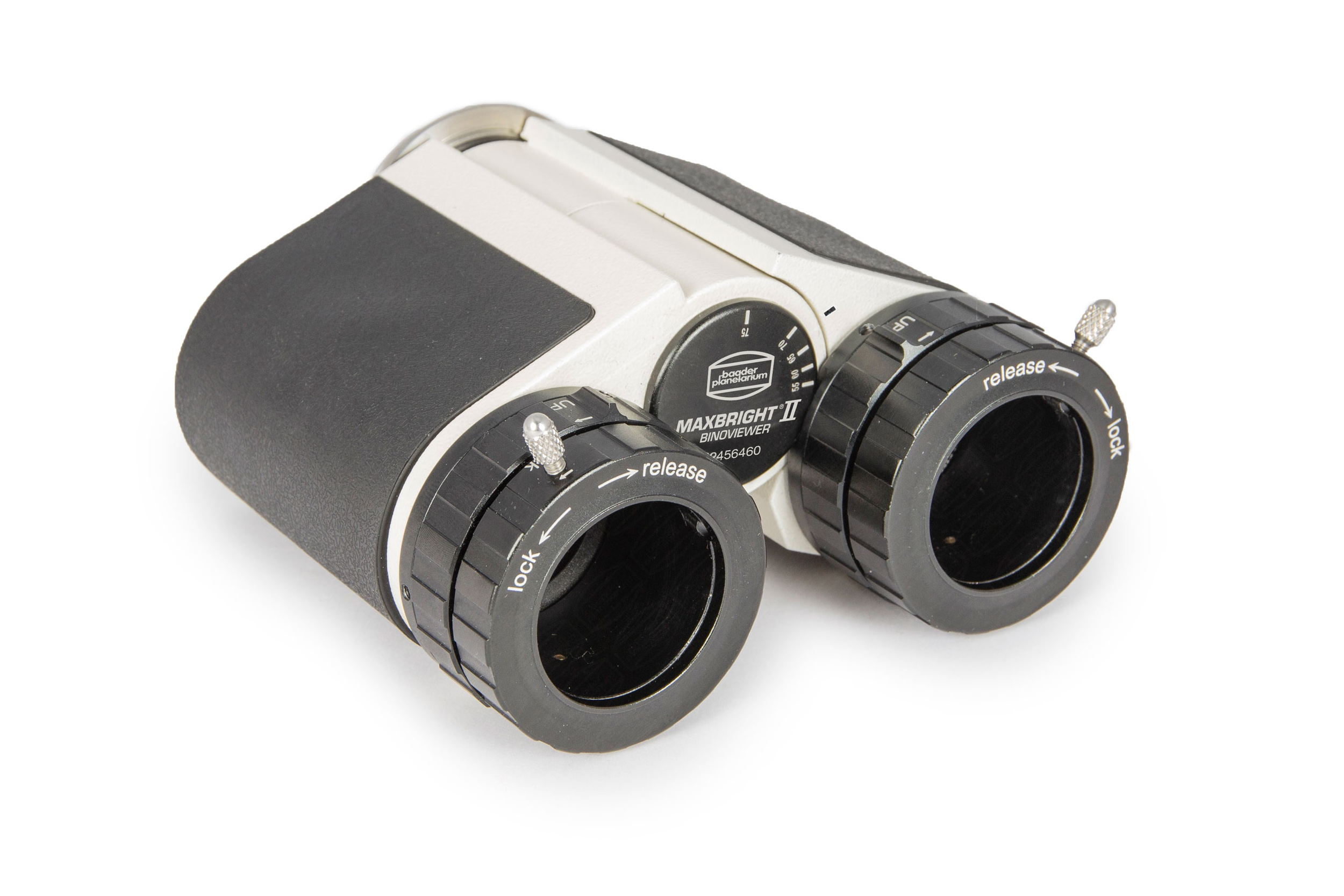
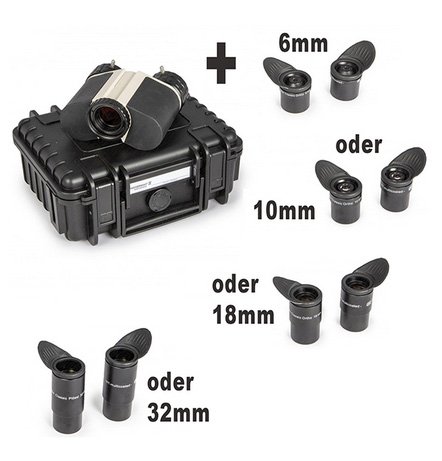
Using both eyes can make it easier to see subtle planetary and fine lunar detail and can lead to a more comfortable and relaxed observing experience. Using a binocular viewer (binoviewer) and a pair of identical eyepieces allow you to observe objects through your telescope with both eyes. Baader’s affordable MaxBright® II Binoviewer – with Storage Case (#2456460 , € 479,- ) is a very popular choice. It features ClickLock self-centering eyepiece clamps with diopter adjustment and uses the Baader Astro T-2 and Zeiss microbayonet connection for the shortest possible connection to (almost) all telescopes. Internally they have 27mm prisms with 26 / 25,5mm clear aperture. The prisms are have 7-layer anti-reflective coating for best possible light transmission and contrast.
The binoviewers are available on their own or with different telescope side-connections, Glasspathcorrectors, diagonals and Classic Eyepieces. A sturdy storage case is supplied as standard.

Color filters can be beneficial when observing planets as they increase the contrast of features through selective filtering. For example, a red filter is ideal for observing features on the red surface of Mars, and using a yellow filter can help highlight bands of clouds on Jupiter and Saturn. The Baader Six-Color Planetary and Lunar filterset have a double 7-layer anti-reflection coating and are planeoptically polished so that they do not impair the image quality even at the high magnifications that are often required for planetary observation. The filters (blue, light blue, green, yellow, red, orange) are available individually or as a set in 1.25" and 2" sizes.
A useful guide for observing the planets (and Moon) with filters can be found in Celestron’s “What are the different types of eyepiece filters: Colored, Neutral Density and Polarizing?” article, or on the Association of Lunar and Planetary Observers (ALPO) website.
So what is in store for the planets in 2025?

- Mercury: The innermost planet in our solar system can be difficult to see because it is very close to the Sun. The best time to observe Mercury is around the time of its greatest western or eastern elongation (when the planet is at its largest separation from the Sun). Our regular monthly sky guides will mention favorable dates when Mercury is best viewed. For 2025, there are three morning and three evening elongations to see and are on the following dates:
- Greatest western elongation: April 21, August 19, December 7 - low in the eastern sky before sunrise
- Greatest eastern elongation: March 8, July 4, October 29 - Low in the western sky after sunset
- Venus: As 2025 begins Venus is an evening sky object shining brightly at around magnitude -4 and setting just over 3 hours after sunset. It will remain visible until around mid-March. In April it will become a morning object where it will be visible before dawn until November. It will be at its highest in the morning sky just before sunrise on August 14 where it will be 28 degrees above the horizon with jupiter being close by.
- Mars: The red planet resides in the constellation of Gemini and is at opposition on January 15/16 where it will appear larger through a telescope (~14.5 arc secs) and be brighter (~magnitude -1.4) since the end of 2022. This makes January the perfect time to observe Mars.
- Jupiter: The gas giant is visible in the constellation of Taurus until around late May and moving into Gemini. It will then become a morning object from around late July early August. Jupiter will not be at opposition in 2025 but it reaches this point in early January 2026.

- Saturn: Saturn begins the year as an evening object towards the south west after sunset. It is occulted by the Moon on 4th January (the next time will be 2036) and in close proximity in the sky to Venus in mid January. By mid February the planet is low near the western horizon after sunset where not long after disappears from view where it then reappears in the May morning sky. The ringed planet is at opposition the day before the autumnal equinox on 21st September when it will be visible all night. It's also worth noting that the planet's famous ring system is edge-on (called a ring-plane crossing) on March 23 but sadly will not be visible as it is lost in the Sun’s glare.
- Uranus: This is visible in the evening sky until April where it then disappears until July where it becomes a morning sky object reaching opposition towards the end of November.
- Neptune: The most distant planet in our solar system is visible until February. It then reappears in June and is closest to the Earth on September 22 with its opposition a day later. It will then be still visible until the end of 2025.
We will give more details of astronomical events in our regular Celestron monthly night sky highlights articles.
The Sun
We have certainly had a lot of Solar activity during 2024 from large sunspots and sunspot groups on our Sun to amazing views of the Aurora Borealis that have been seen even at low European latitudes. As we head into 2025 the Sun is likely to be still very active as we are still in the Solar maximum period and well worth observing or imaging for a while yet.
It is always important to mention that extreme caution and the use of appropriate, safe solar filters are required when viewing or photographing the sun. When it comes to the sun, safety must ALWAYS be mentioned: NEVER look at the sun without a suitable solar filter! Solar observation is dangerous and can permanently damage eyes or cameras. Always use a suitable sun filter!
For white-light Solar views (a popular way of studying the Sun), you can observe the dark sunspots, faculae and solar granulation.
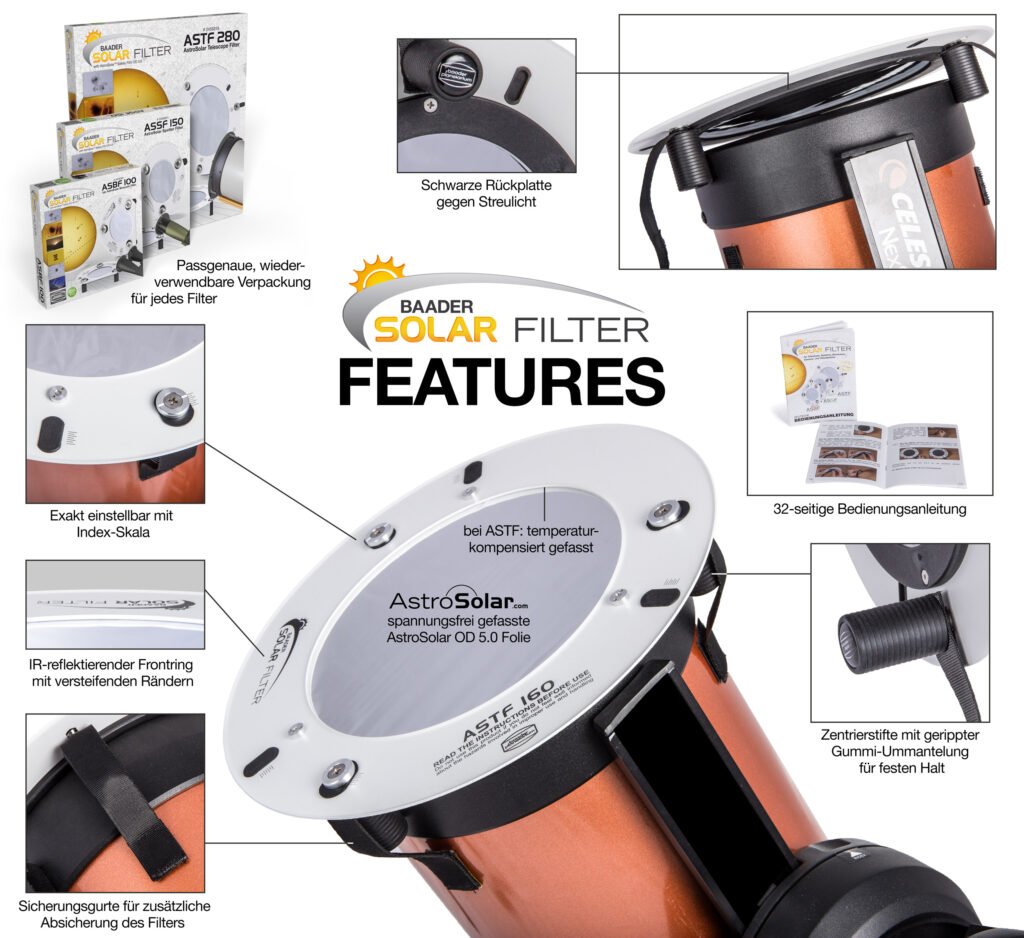
Baader Planetarium offer their AstroSolar film for white light Solar observation and imaging. The film sheets allows you to make your own solar filter (see here for a guide on how to make filter holders). Alternatively, there are ready-made AstroSolar filters that use the AstroSolar film, but are incorporated into a specially designed rugged metal housing that can be used with everything from small camera lenses to large-aperture telescopes. You can find out more about the solar products on www.astrosolar.com.
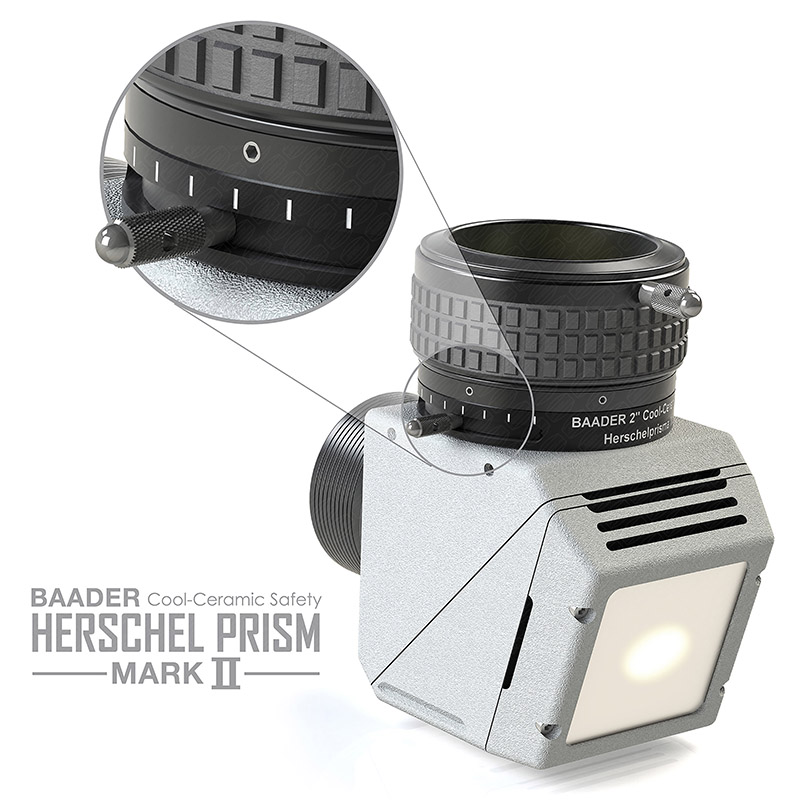
Another accessory for safe white light Solar study is the Baader 2" Cool-Ceramic Safety Herschel Prism Mark II – (Visual / Photo) (various versions available) , which is to be used on refracting telescopes. This Mark II model features a shorter overall length and an integrated rotation mechanism for the optional Polarizing Single Filter 2" (#2408342 , € 72,- ) and included neutral density filter for easy adjustment of image brightness.
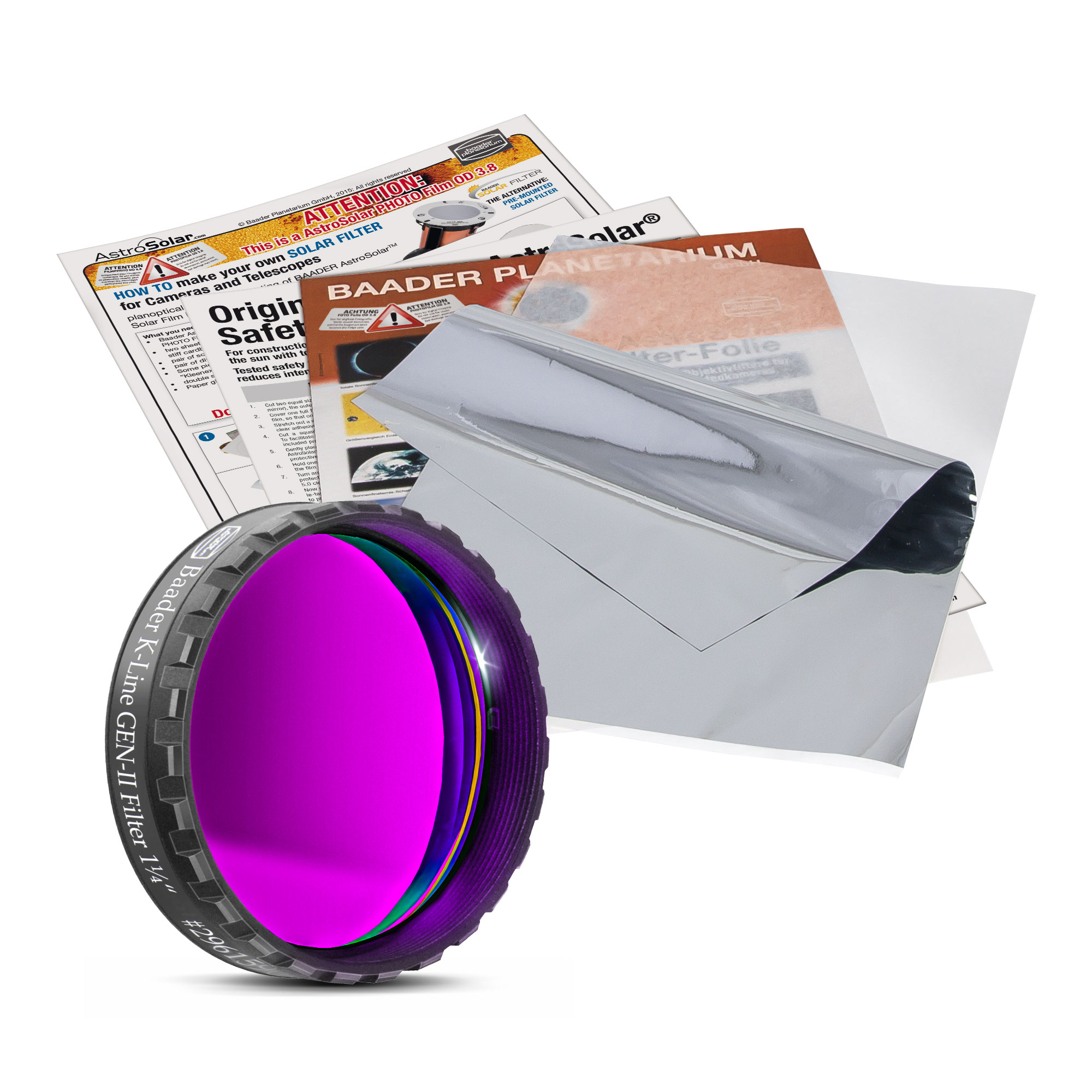
If you want to do something a “little different” you could try imaging the region of the Sun in the blue Calcium region of the visual spectrum. The new Calcium GEN-II Filter 1¼" (incl. AstroSolar Photo Film OD 3.8, A4) (#2961590 , € 285,- ) filter lets you image the region between the Solar photosphere and the chromosphere. In addition to white light features such as sunspots, you will be able to image the supergranulation cells, surface chromospheric network and short lived intense small scale brightening's (Ellerman Bombs). The filter, which allows light through at the Calcium emission line 394nm in the near UV, is for imaging use only, ideally with a monochrome camera. The filter comes with a ND3.8 200mmx290mm AstroSolar sheet for pre-filtering the sunlight and which must be used with the Gen II Calcium filter.
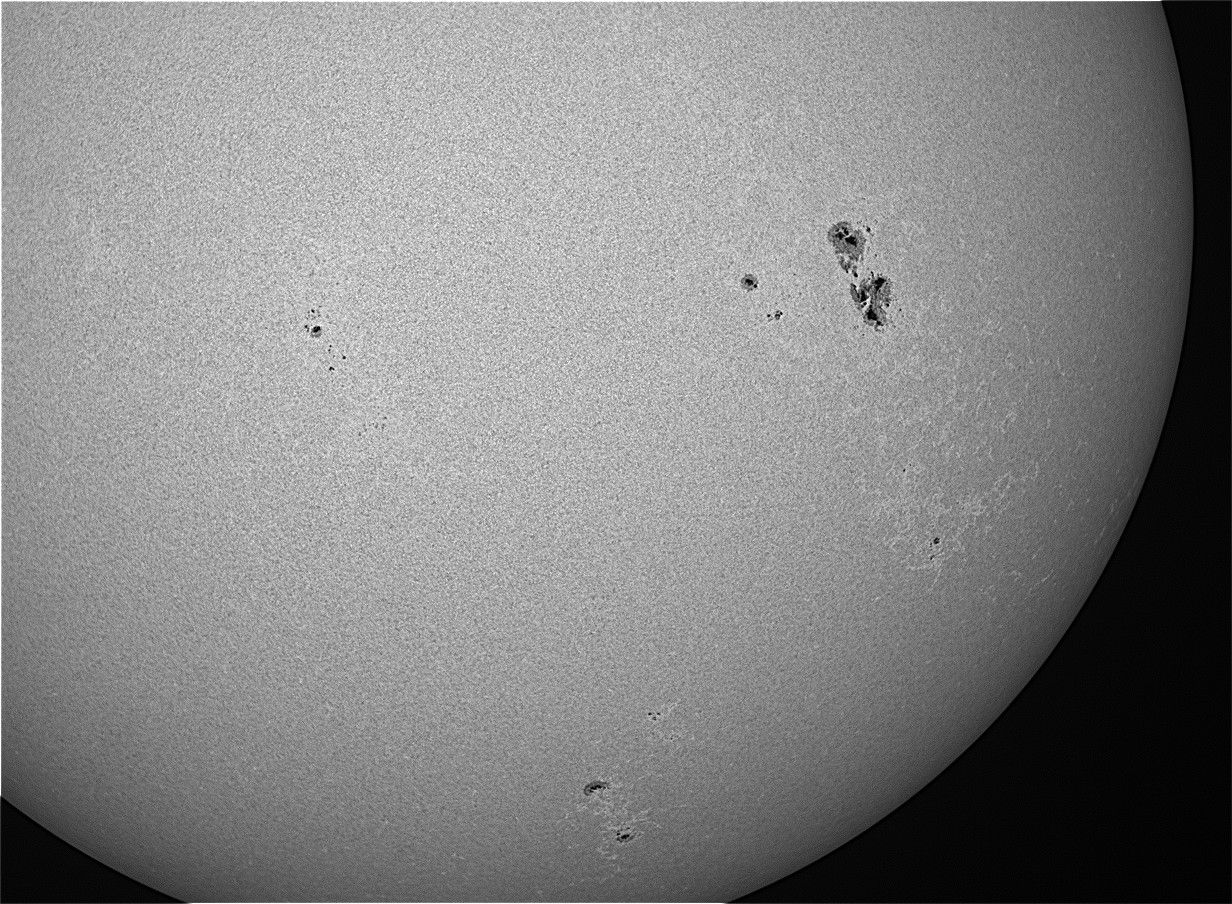
A good online resource for viewing the latest activity on the Sun is the GONG website. This website uses real-time data displaying images of the Sun from a number of solar observatories around the world at various wavelengths.
Eclipses
Eclipses of the Moon and the Sun are amazing to see and image. For 2025 we have a Lunar and partial Solar eclipse in March and a total Lunar eclipse in September to look forward to.
- 14 March Total Lunar Eclipse: The lunar eclipse begins at 04:56 CET, when the moon is still about 15 degrees above the horizon and inconspicuously enters the Earth's penumbra. At 06:09 CET, the partial phase begins with the moon entering the umbra, although the moon is then only a few degrees above the horizon. It will be completely eclipsed from 7:26 to 8:32 CET - unfortunately, depending on your location, it will set at around 6:40 CET, meaning that totality will be unobservable from Germany. A clear view of the western horizon is necessary to see as much of this eclipse as possible.
- 29 March Partial Solar Eclipse: From Munich, the partial eclipse begins at 11:28CET where the Sun will be just under 45 degrees in altitude. The maximum of the eclipse, where from Munich the Sun will be ~11% obscured, will be at 12:11CET towards the south. The eclipse will end at 12:155CET. The Sun will be around 44-45 degrees above the horizon during the event so is well placed for viewing or imaging. The eclipse is also visible in other parts of Germany with northern and western parts seeing more of the Sun obscured.
For the partial Solar eclipse it is always important to mention that extreme caution and the use of appropriate, safe solar filters are required when viewing or photographing the sun. When it comes to the sun, safety must ALWAYS be mentioned: NEVER look at the sun without a suitable solar filter! Solar observation is dangerous and can permanently damage eyes or cameras. Always use a suitable sun filter!

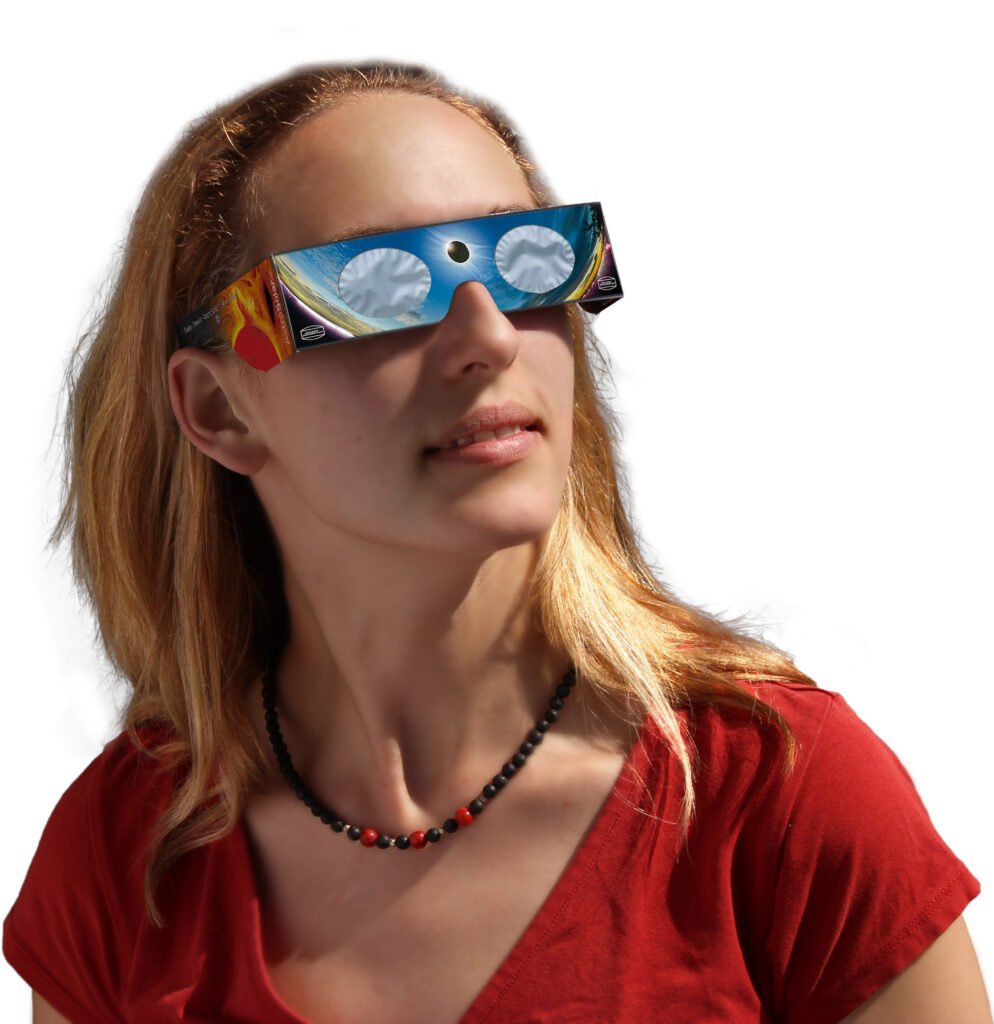
A popular accessory for safely watching a solar eclipse are the CE / ISO certified "wearable" which reduce the sun light intensity by 99,999% and also give 100% UV- and IR-protection. If you have any concerns or questions about safely observing or imaging these events, please contact one of our authorized Baader Planetarium dealers or ourselves.
- 7 September Total Lunar Eclipse: For this eclipse the Moon will rise in Munich at 19:39CEST already totally eclipsed (which began ~9 minutes before moonrise). The total eclipse ends at 20:52CEST when the Moon is just under 11 degrees in altitude. The partial eclipse ends at 21:56CEST with the Moon ~20 degrees above the eastern horizon. With the Moon rising already in total eclipse and being low in altitude before totality ends you will need a good unobscured low eastern horizon however it may make for a lovely landscape photographic opportunity!