In the 1960s, when the first crewed Moon landing was being promoted in the USA and the so-called “Space Age” began, a special idea emerged in Munich that would lay the foundation for today’s success story: Claus Baader (born 1924 in Schliersee, Germany), originally a journalist and photographer, founded Baader Planetarium KG together with his wife Inge Baader, driven by his love of physics and inspired by the curious questions of his son Thomas – yet not least by his foresight regarding the growing public interest in all aspects of spaceflight and celestial mechanics within the Solar System.
However, the big vision began small: as a basement company, where development, manufacturing, and assembly of the company’s first product were carried out by hand in the tiniest of spaces.

1966: The Baader School Planetarium
Patented worldwide, didactic, internationally recognized
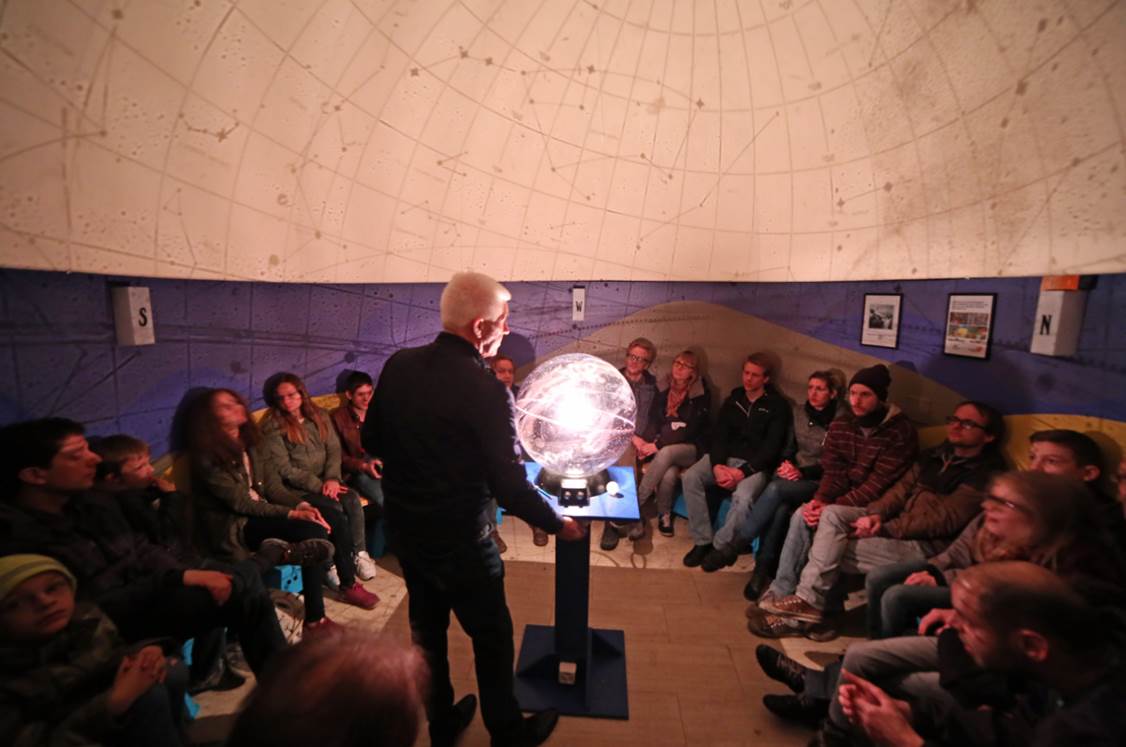
In the very year it was founded, the first product came onto the market: the Baader School Planetarium, equipped with worldwide patents and developed as a teaching device intended to foster a deeper understanding of celestial mechanics – i.e., to do more than just “show stars.”
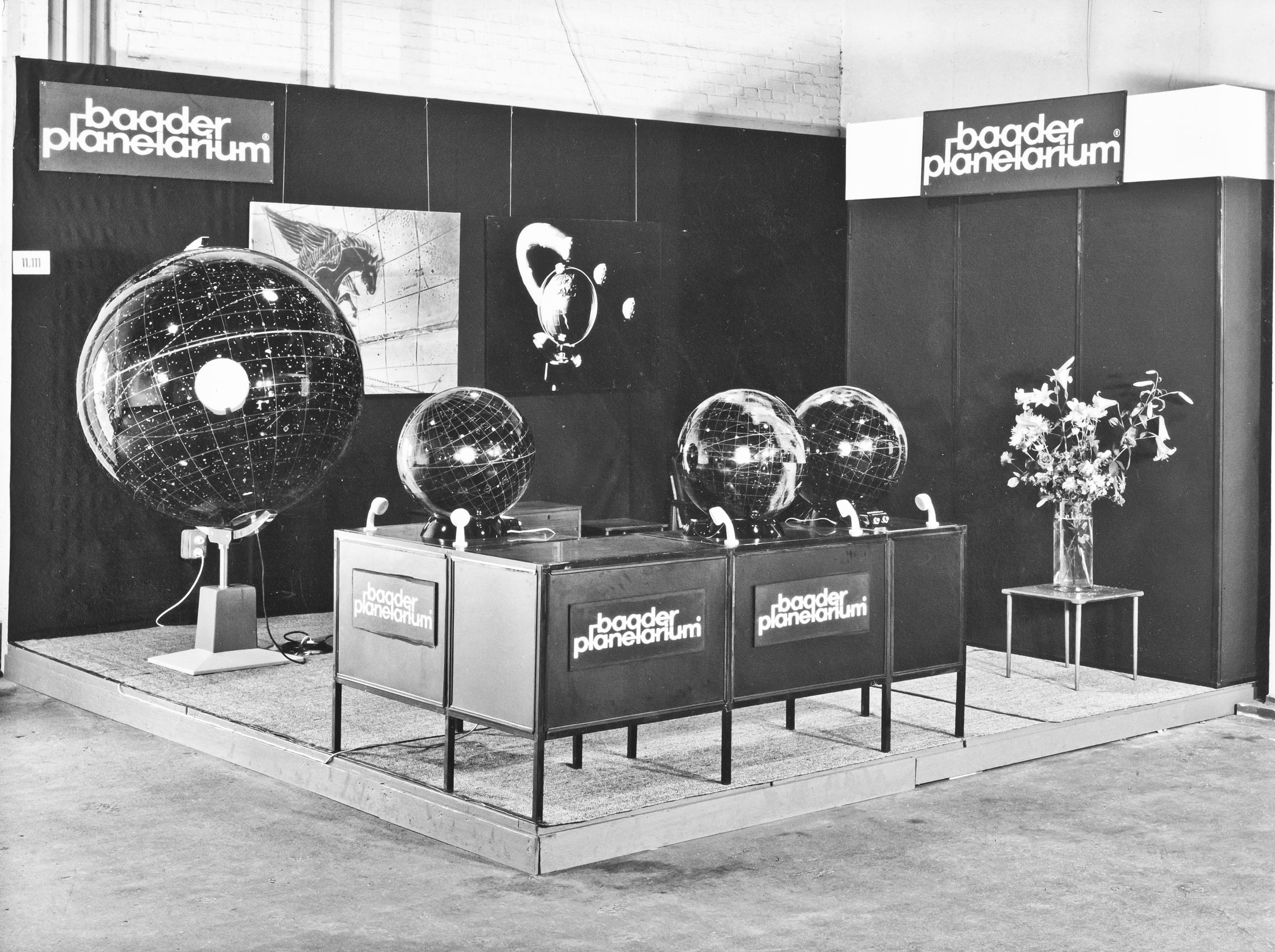
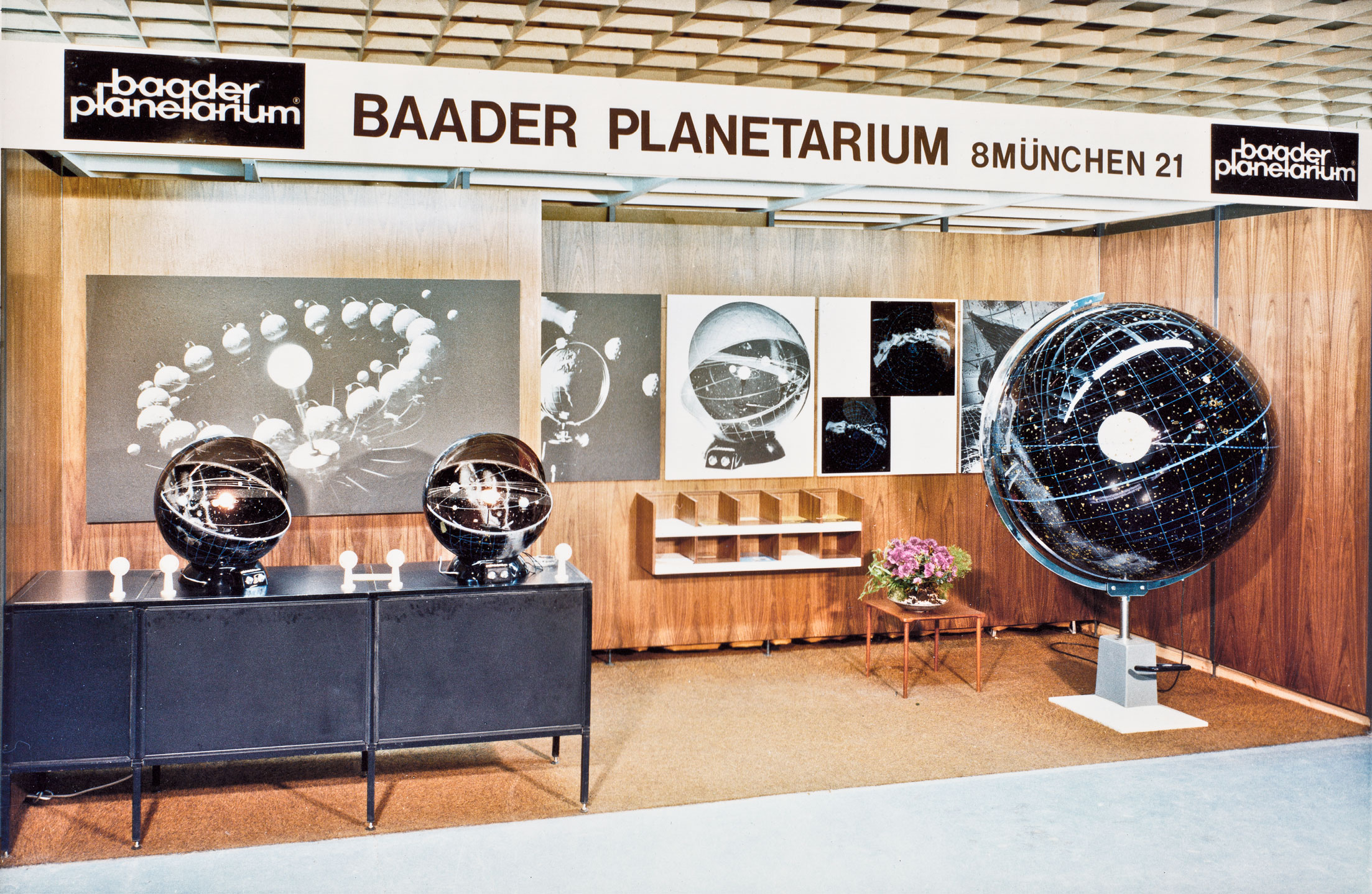
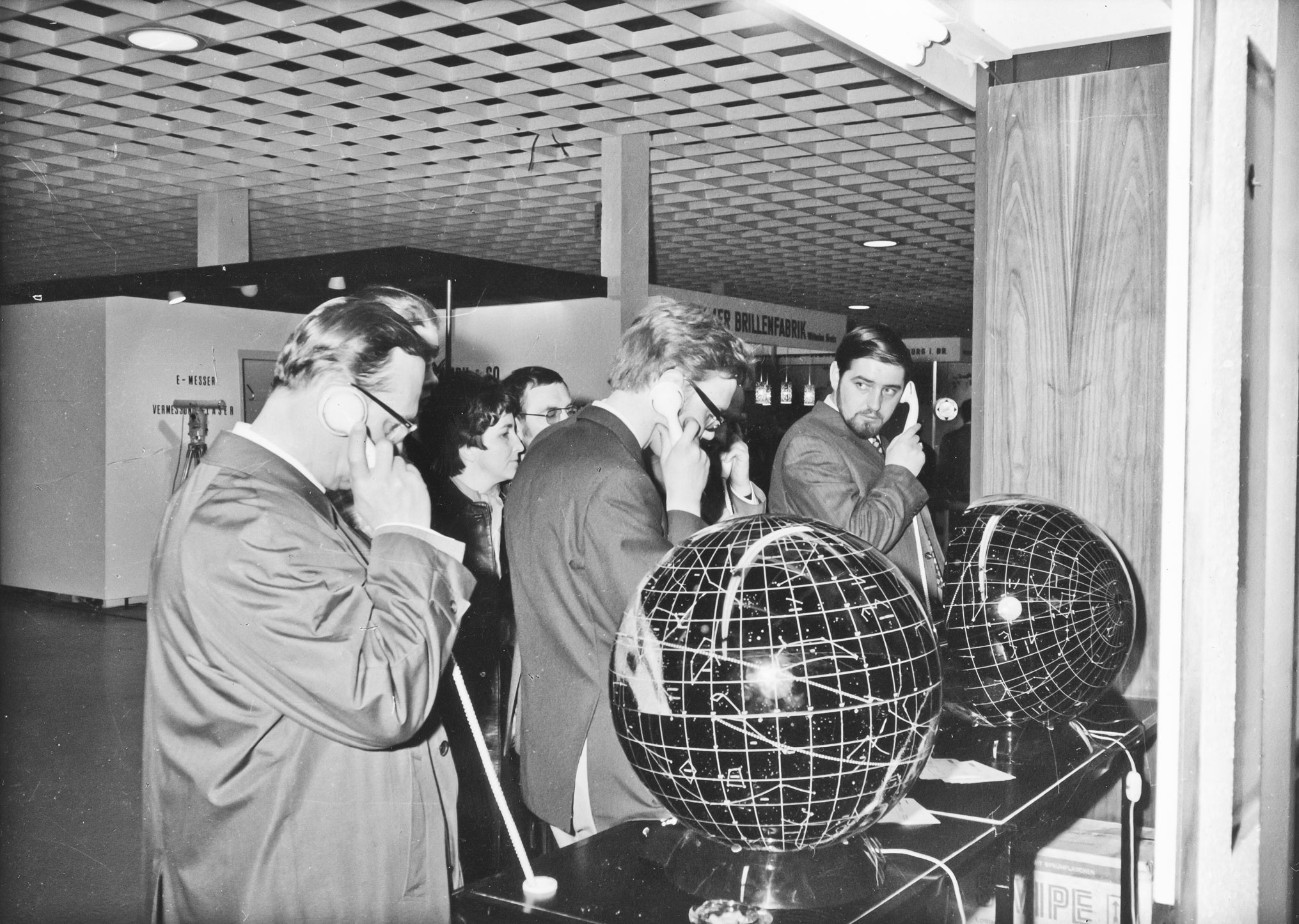
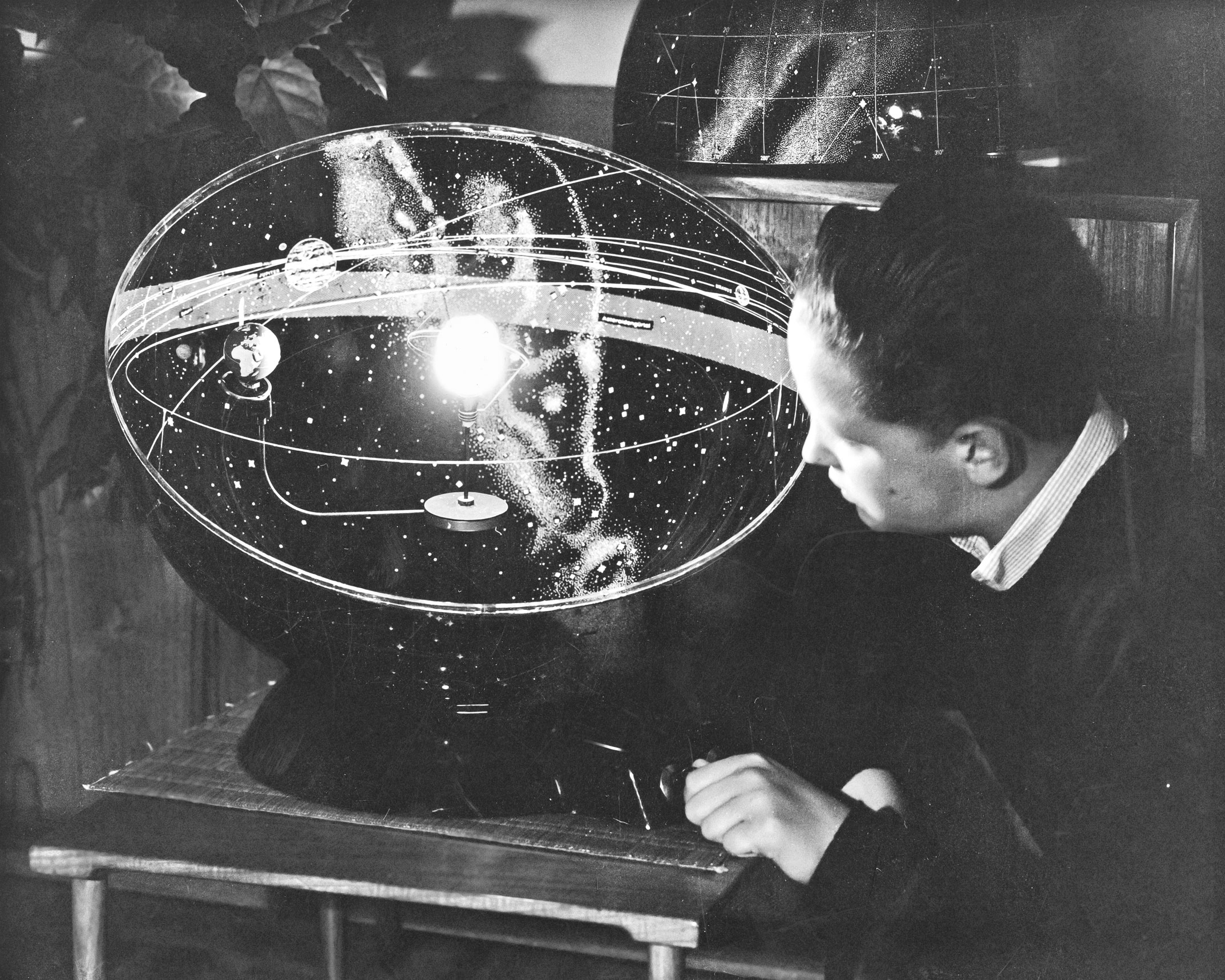
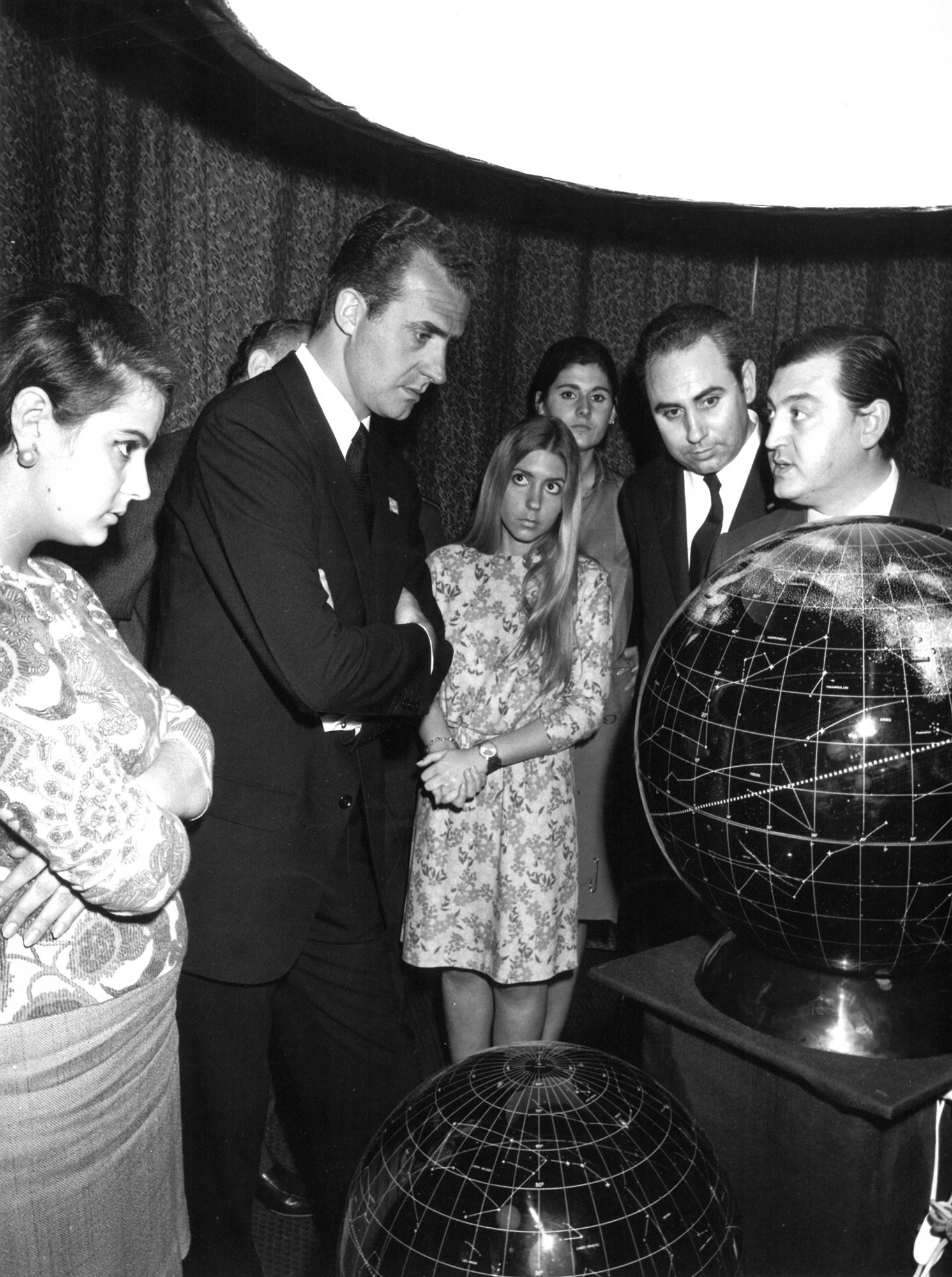
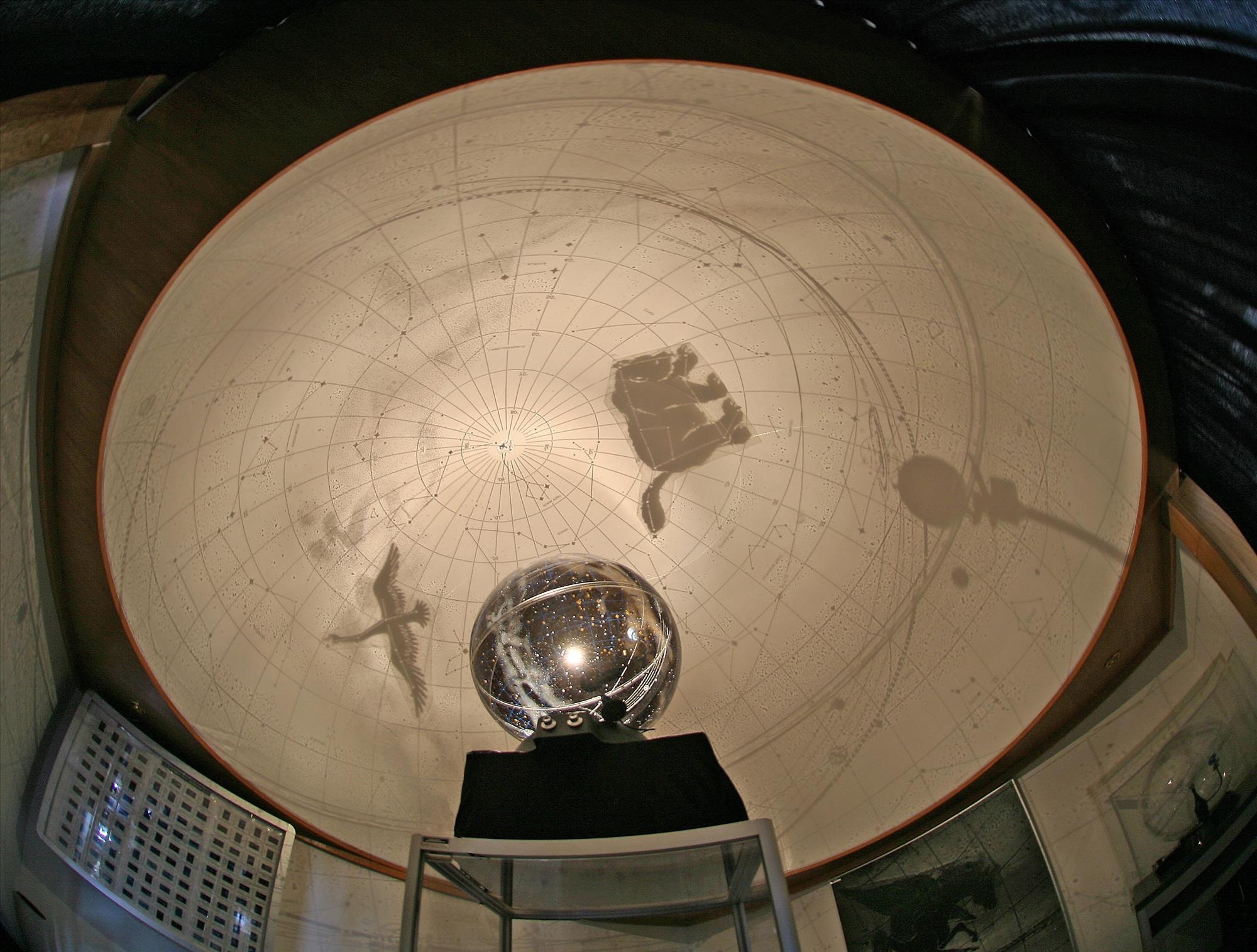
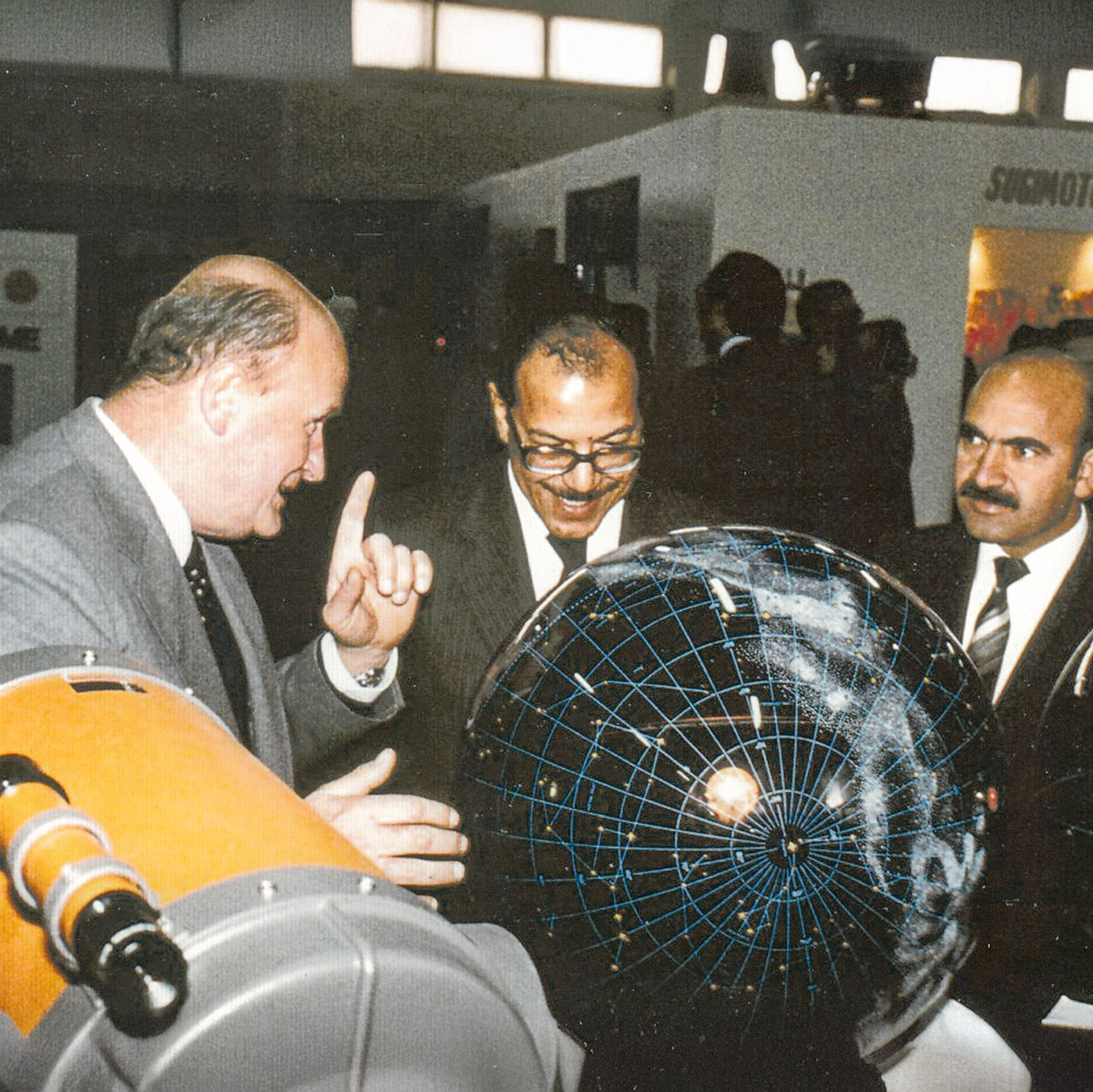
The Baader Planetarium has remained unchanged since 1966 and consists of a semi-transparent Ø50 cm star globe, printed identically on the inside and outside. Inside, a classically designed, electrically driven tellurium/orrery operates – a mechanical model of the Earth–Moon system that makes motions within the planetary system comprehensible. The special feature: the starry sky and the moving Earth–Moon system can be projected simultaneously – a didactic approach that made spatial relationships immediately understandable.
Many generations of teachers used the Baader School Planetarium with great enthusiasm, because as the only portable astronomical teaching device it could make the Sun-Earth-Moon system immediately understandable to students through the light-transmissive star globe illuminated from within. Students saw the Solar System through the front, transparent half of the globe in front of the correctly oriented, dark starry sky, since the rear half of the globe reflects the light. Numerous auxiliary constructions – among them various comet orbits – were built by enthusiastic teachers themselves; one such add-on was actually produced as a series product: the Zeuner lens, named after its inventor. It served to project the apparent motion of the Sun onto the ecliptic line of the star globe, enabling the heliocentric design of the device to also support geocentric perspectives.
The Baader Planetarium did not go unnoticed: in 1967, Harvard astronomer Owen Gingerich praised the solution in Sky & Telescope as “the most ingenious orrery ever produced in series.” In the decades that followed, more than 15,000 devices were used at schools and universities worldwide—and the name Baader Planetarium became well known in the world of astronomical education.


1968: The “big brother” – the Baader Giant Planetarium
A masterwork of craftsmanship
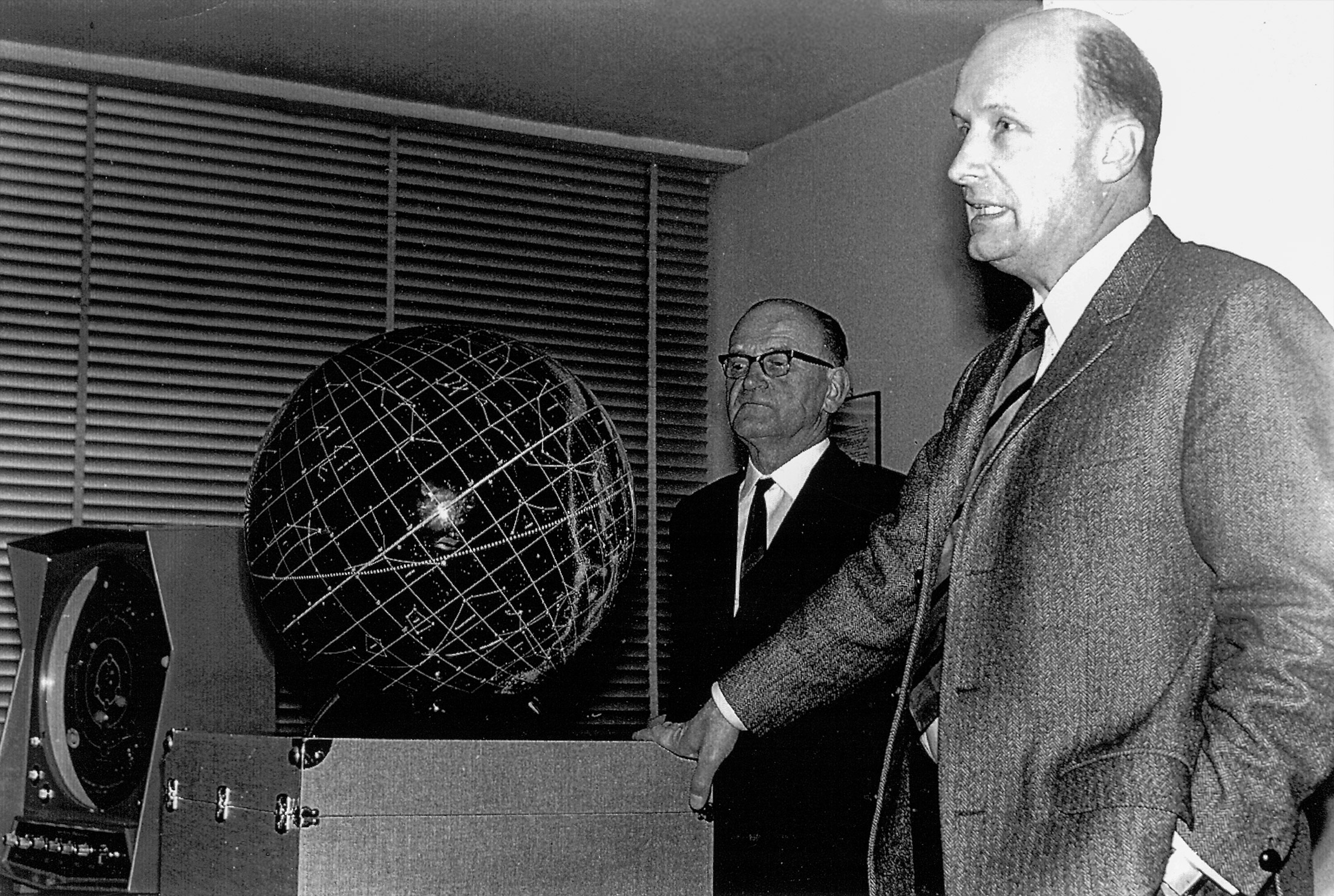
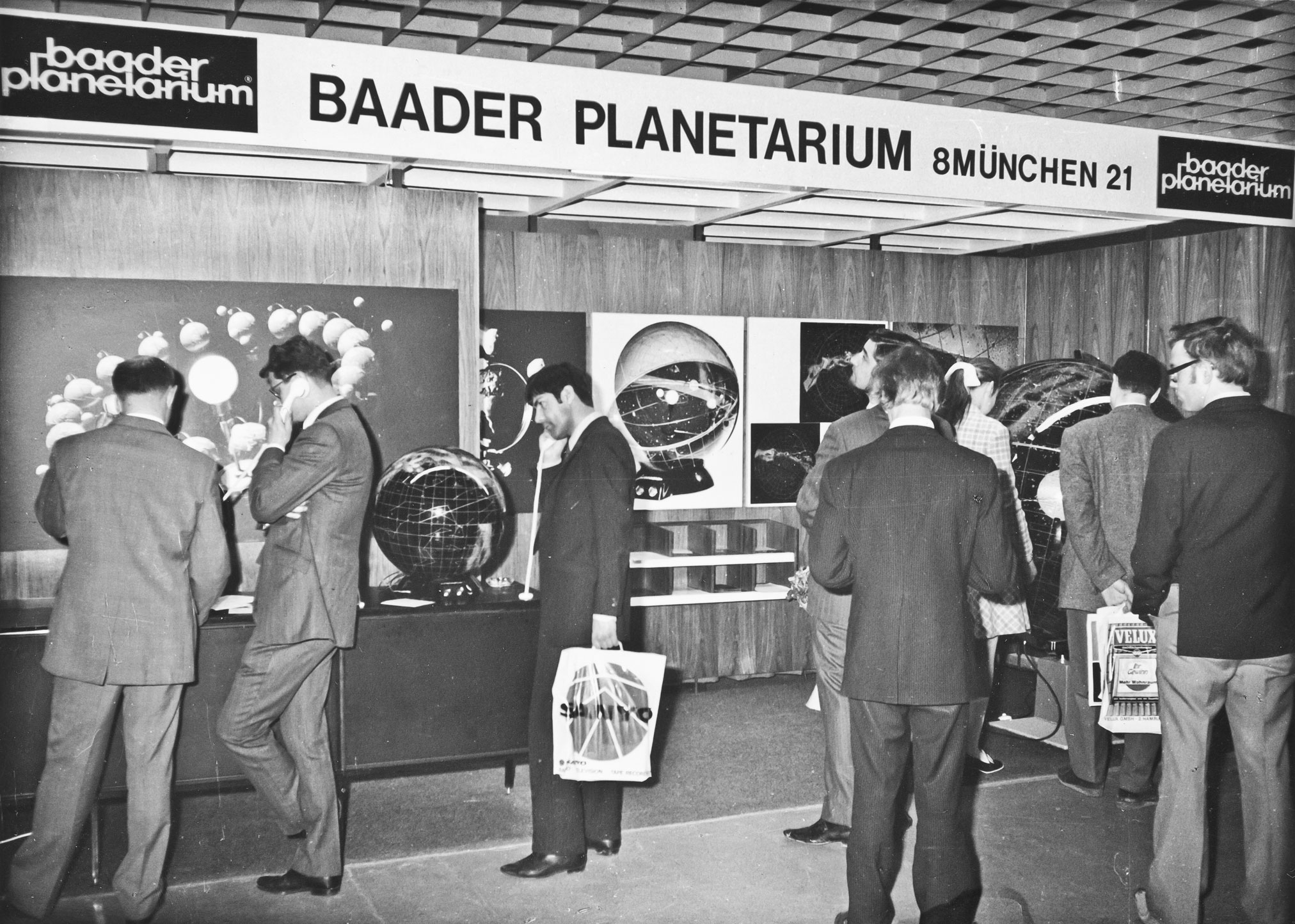
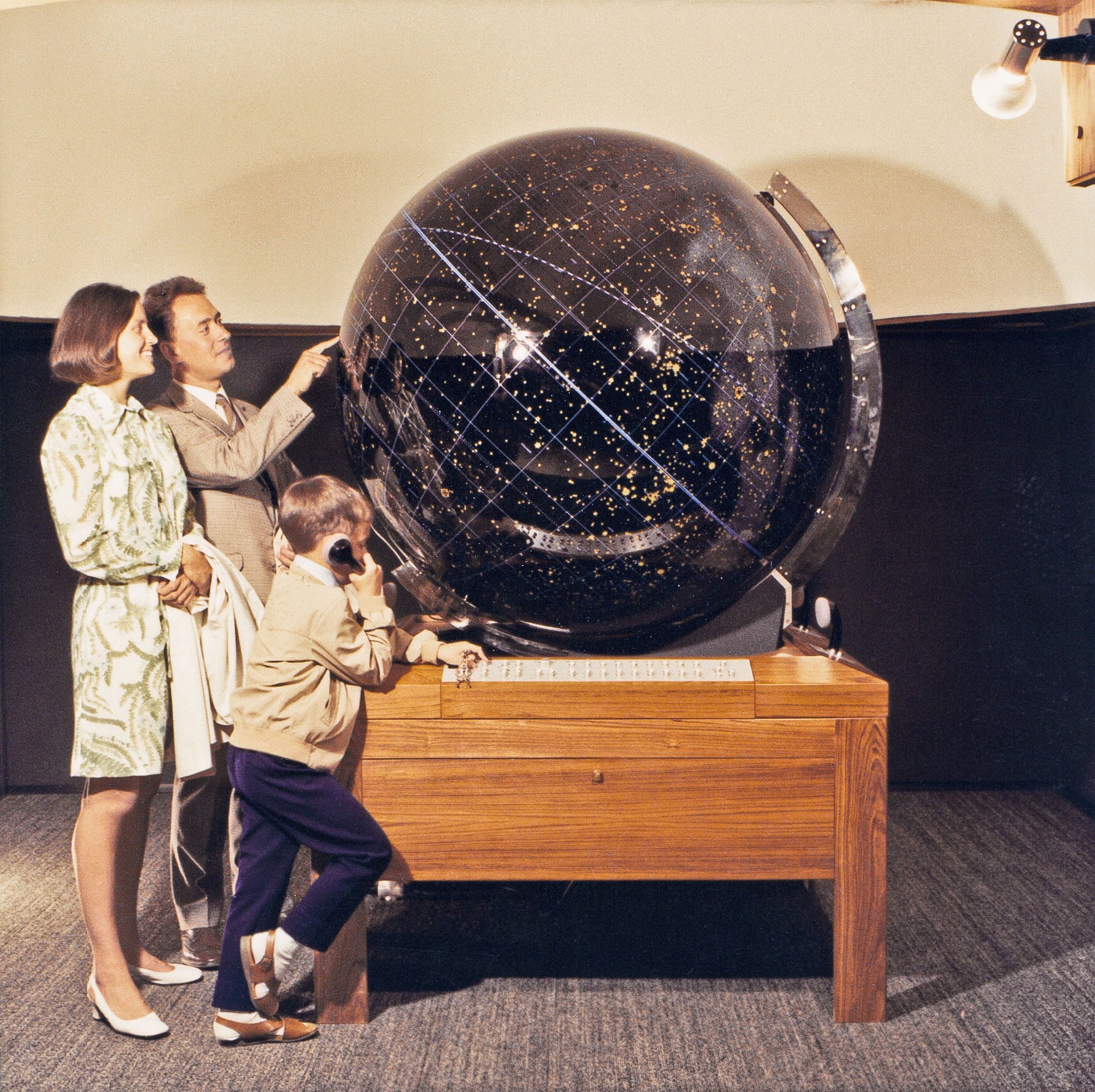
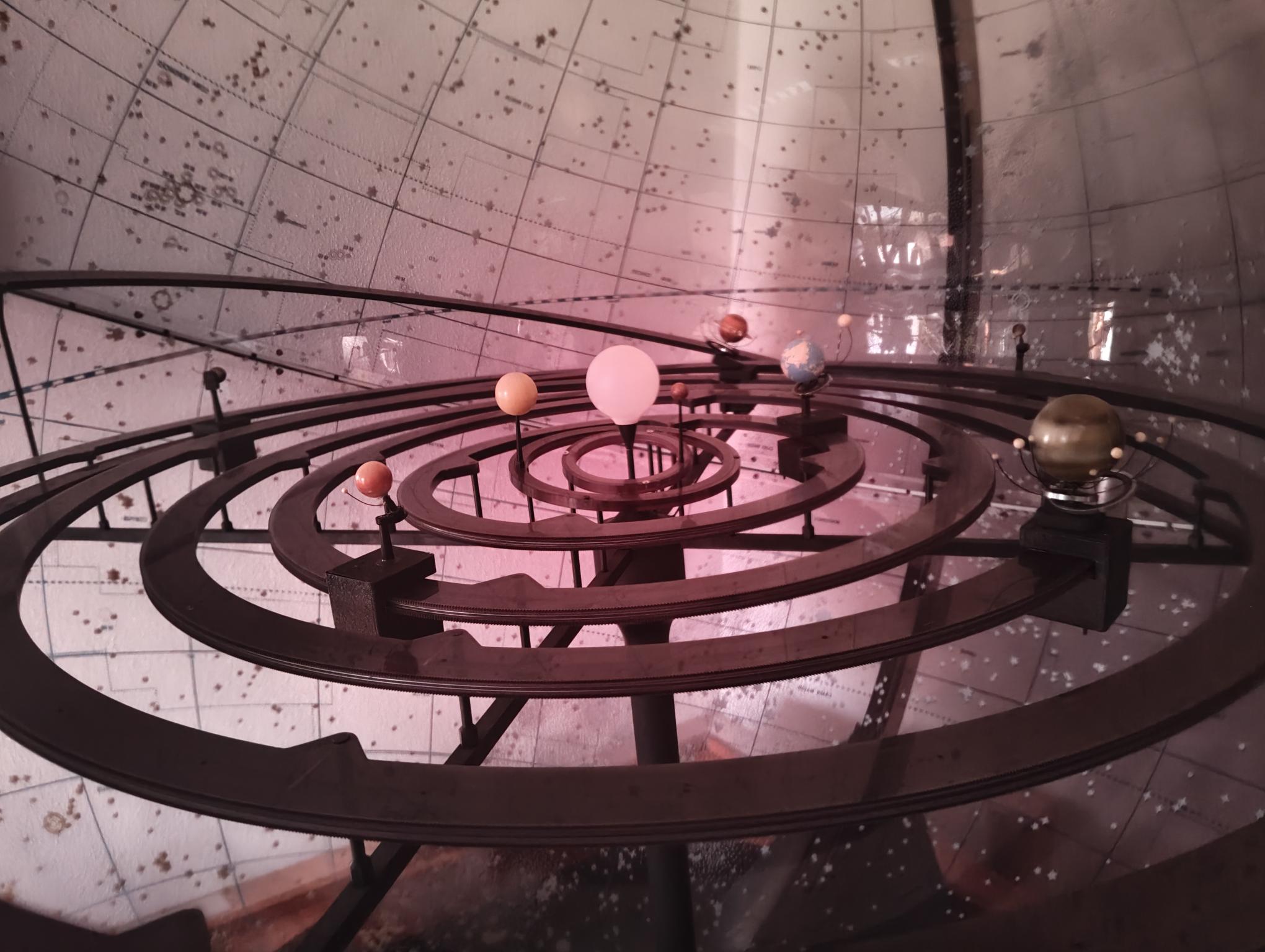
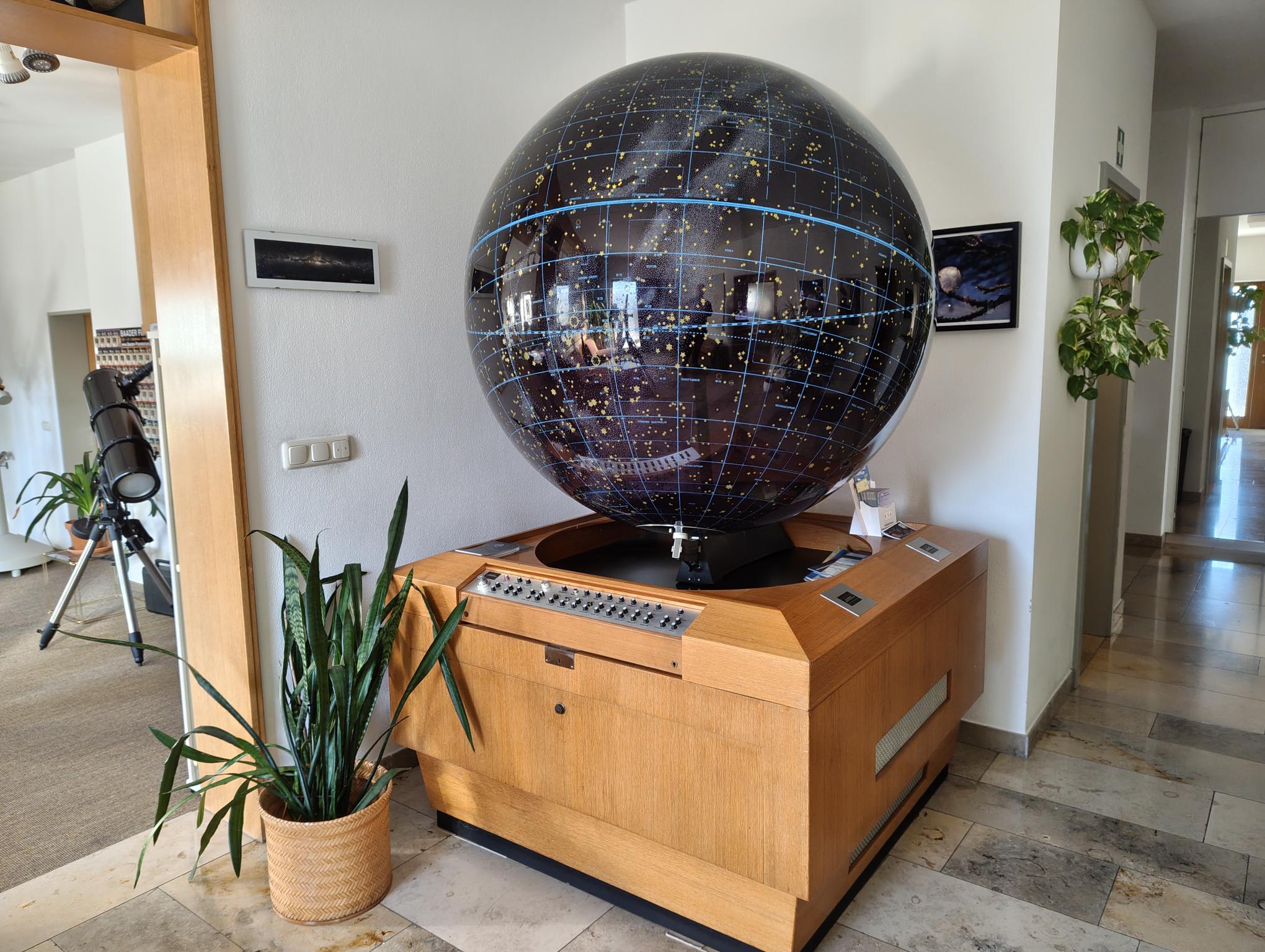
Only a short time later, the School Planetarium gained a big brother: the Baader Giant Planetarium . It was designed as a museum-grade orrery – including playable instructional lectures – and set mechanical benchmarks: nine planets moved around a model Sun on accurately mounted and finely geared orbits up to 1.2 m in size. Each planet received its own highly complex precision gearbox and a stepper motor; even the moons known at the time moved along at the correct orbital speeds.
Surrounding this system was a motor-driven celestial sphere with a diameter of 1.3 m. The effort involved was accordingly substantial: the Giant Planetarium was handcrafted – a horologically and technically extremely demanding masterpiece, delivered in small numbers to universities and museums worldwide. However, the extremely elaborate mechanical complexity and the resulting price prevented serial production.
Among the locations where this last large so-called orrery was in operation for years were the Deutsches Museum and the University of Bamberg, as well as schools and other museums, and Qatar University (with one device each for the separately run girls’ and boys’ universities).



From 1970: Construction of projection domes
Materials expertise and first milestones
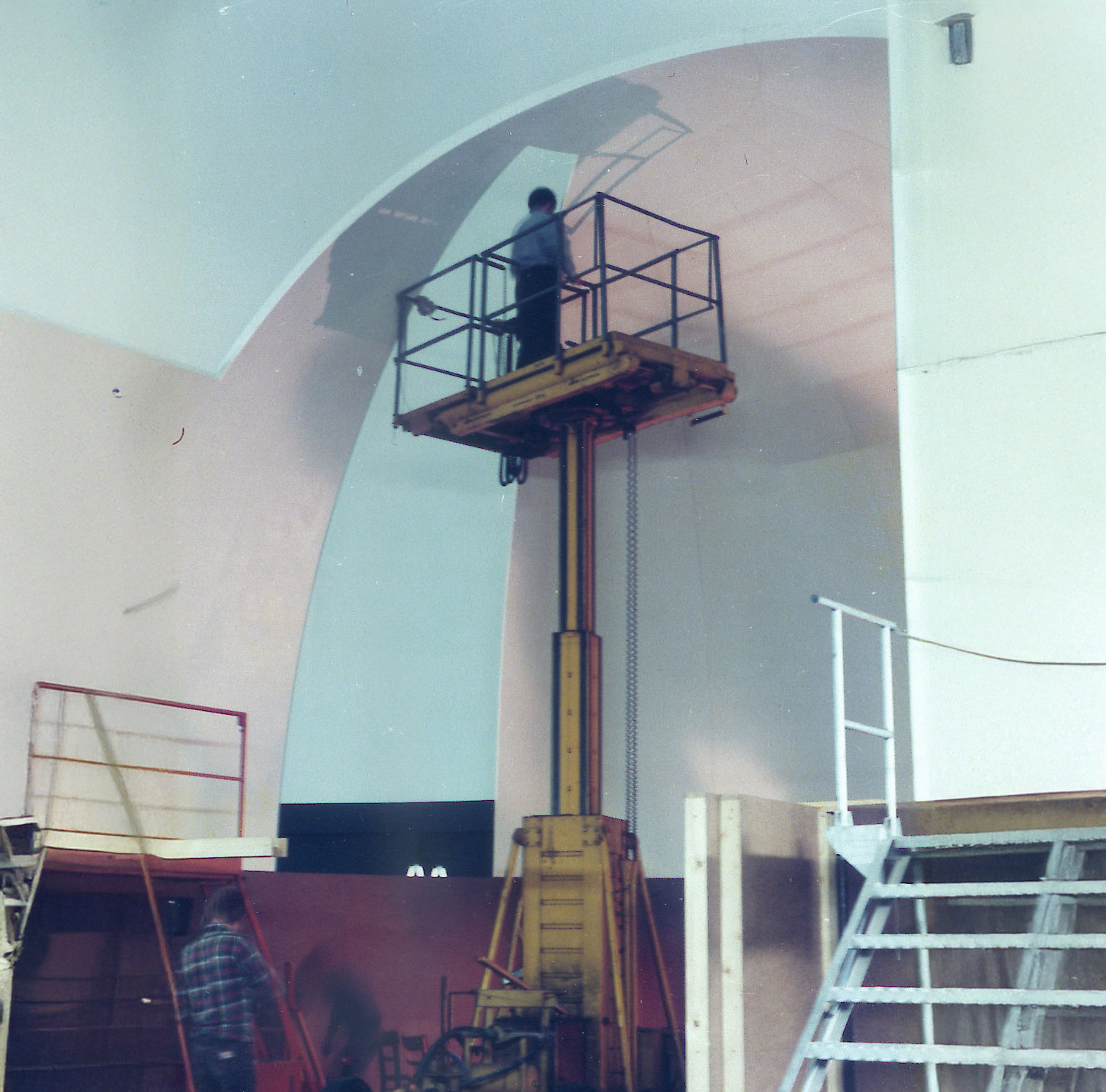
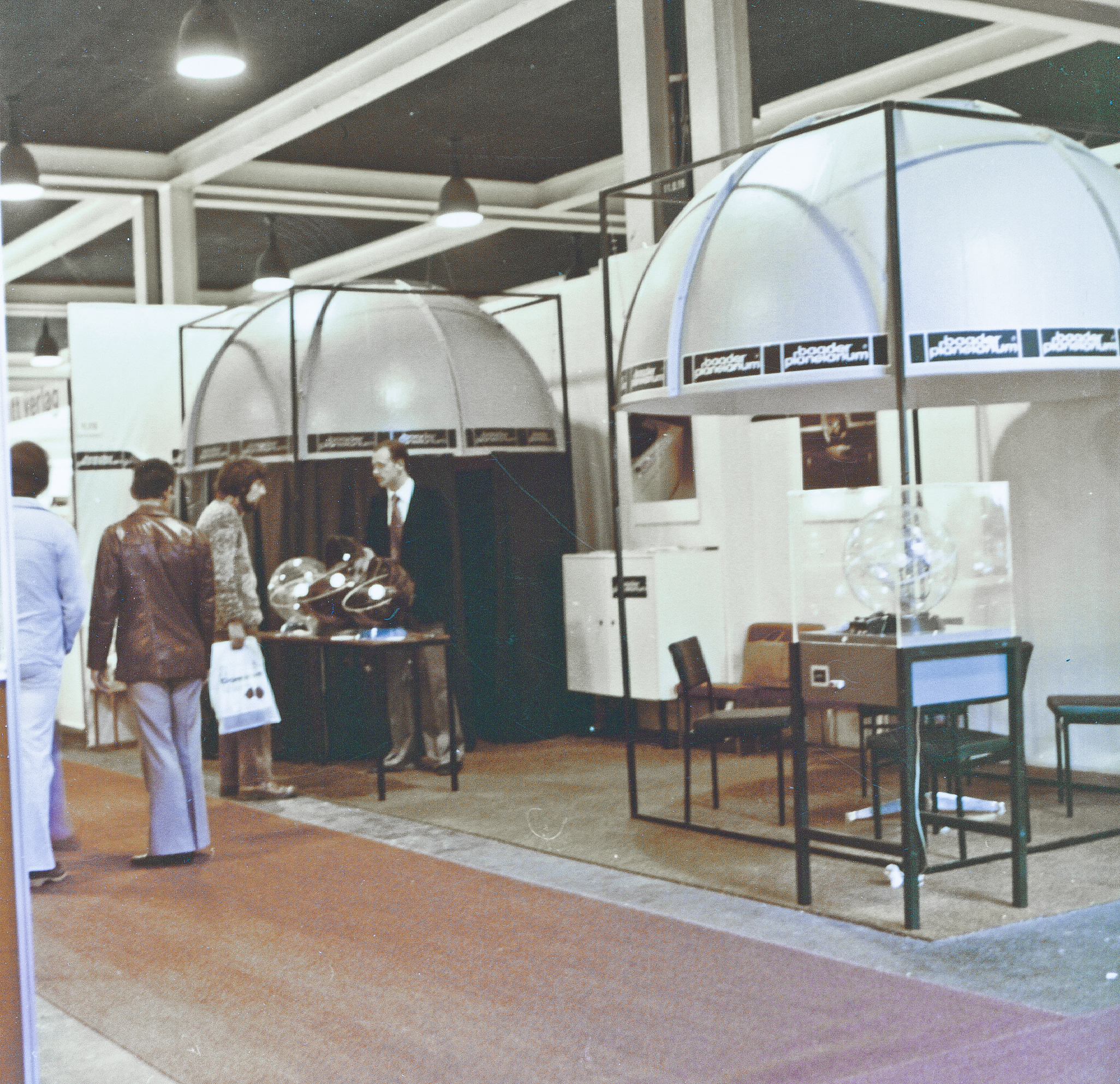
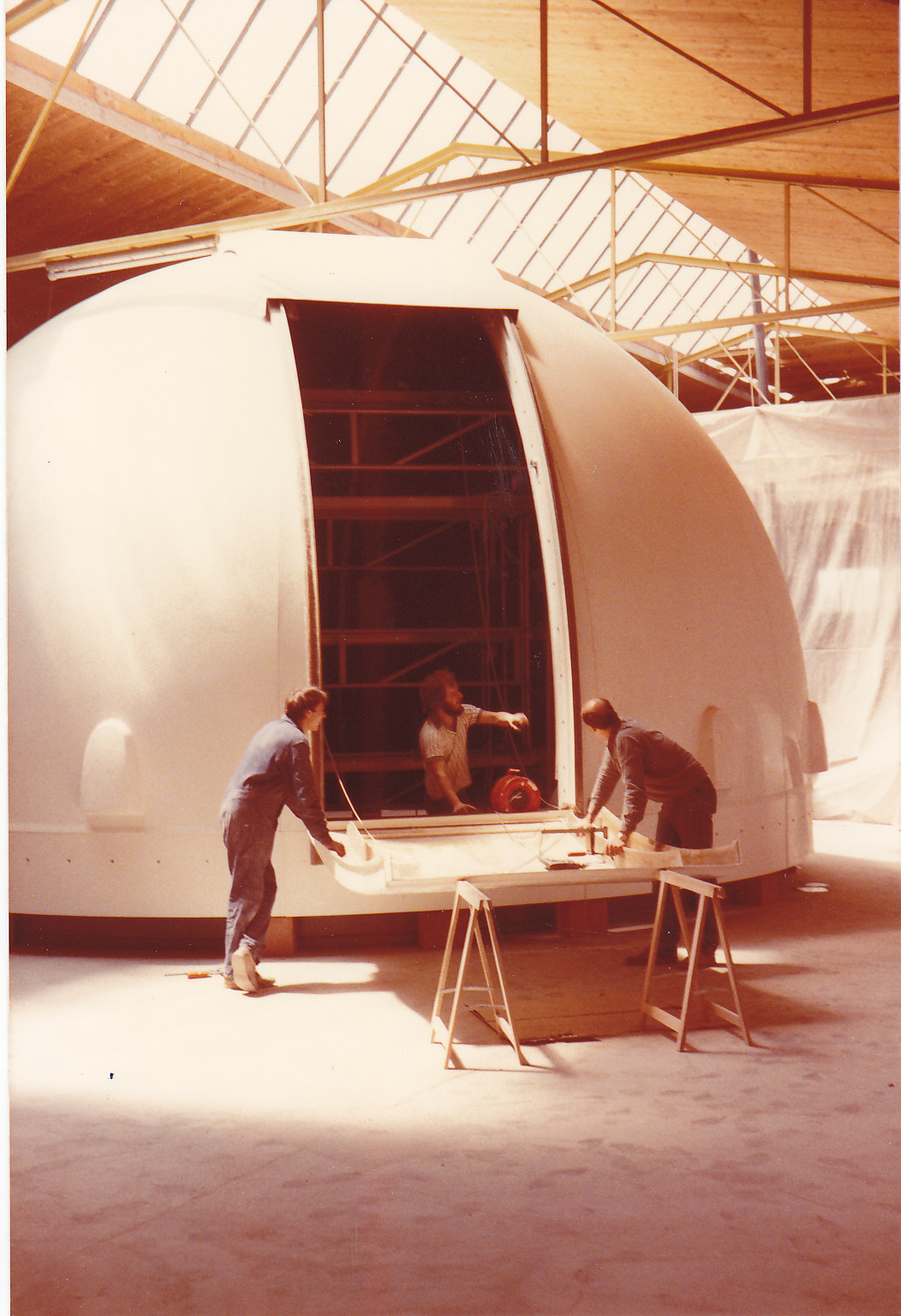
With the success of the educational planetariums, expectations for presentation grew: from 1970 onward, Baader Planetarium began manufacturing its own projection domes made of glass-fiber-reinforced plastic (GRP). This made it possible, for the first time, to show the unique didactic projection of the Baader Planetarium starry sky together with the visible orbit of Earth and Moon in a spherically correct representation. This is where the Zeuner lens in particular came into use, because it also allowed the Sun’s path along the ecliptic to be shown in projection at the same time.
Another major milestone followed in 1978: in that year, a 10-meter projection dome was produced for Carl Zeiss and installed at the Oberkochen factory. This made one thing clear: the company could not only build precision mechanical systems, but also realize large-format, installation-intensive dome structures.


1972 as a turning point: market changes and strategic expansion
In the internal chronicle, 1972 is considered a pivotal year. The Moon flights were discontinued – and this changed the environment in which many “space products” had previously enjoyed special attention. For Baader Planetarium, this meant: the product portfolio had to be rethought. Decisive in this was the customer base that had been established, especially in the education sector, with several thousand schools and universities.
Celestron distribution in Germany and the Middle East:
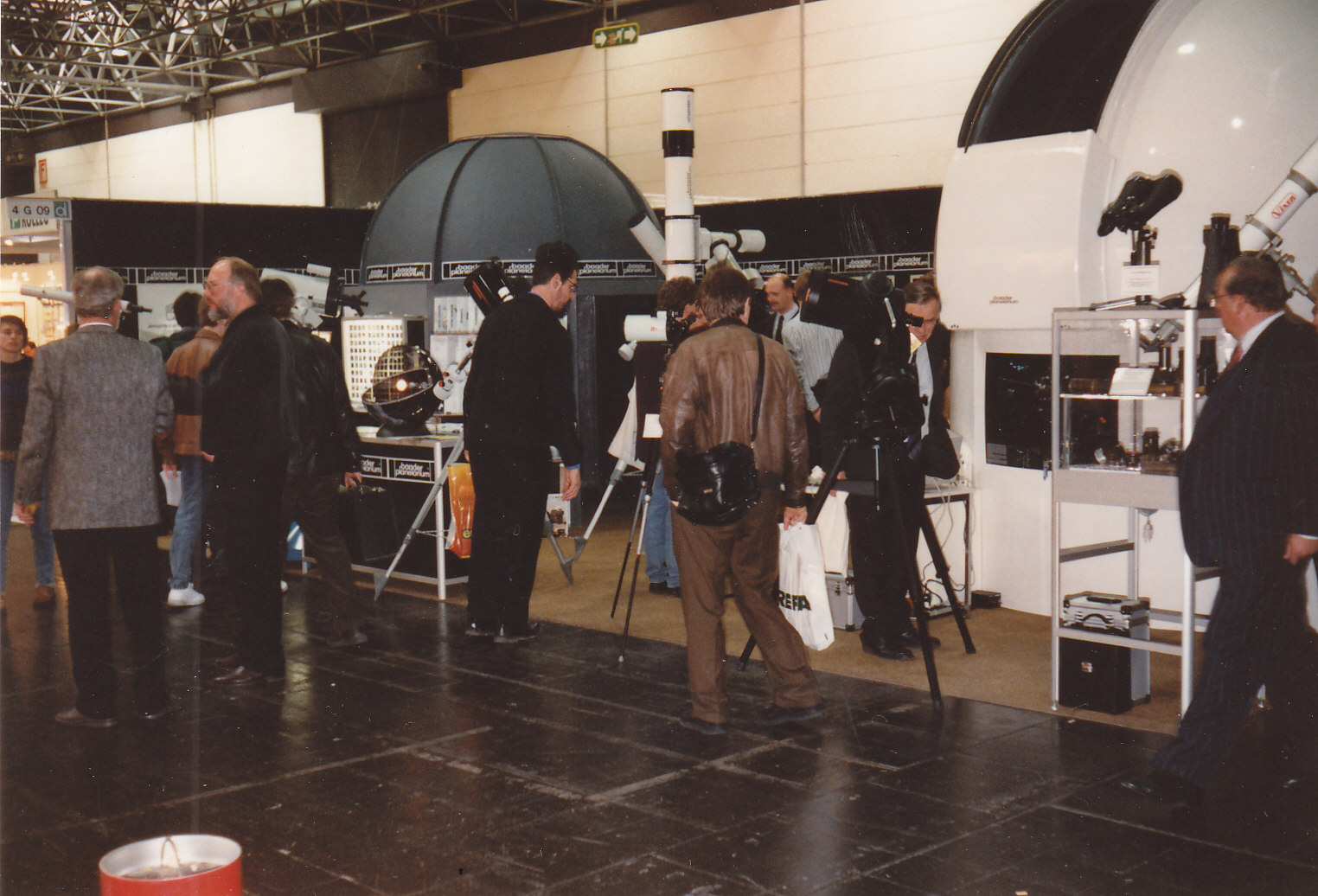
Based on this customer base, Baader Planetarium took over from the company Vehrenberg the distribution of Celestron telescopes for the German educational supply market and was able to significantly increase Celestron’s brand awareness in a short time. At the same time, Celestron/USA also began searching worldwide for distributors for its revolutionary Schmidt-Cassegrain optics. Through the mediation of Dr. Hans Vehrenberg (✝ 1991), Claus Baader was offered by Celestron/USA management the Celestron distributorship for the entire Middle East. Thus, Baader Planetarium became one of the first distributors for Celestron outside Europe and subsequently underwent rapid growth in the telescope market in the German-speaking countries and the Middle East.
Dome production – learning through practice:
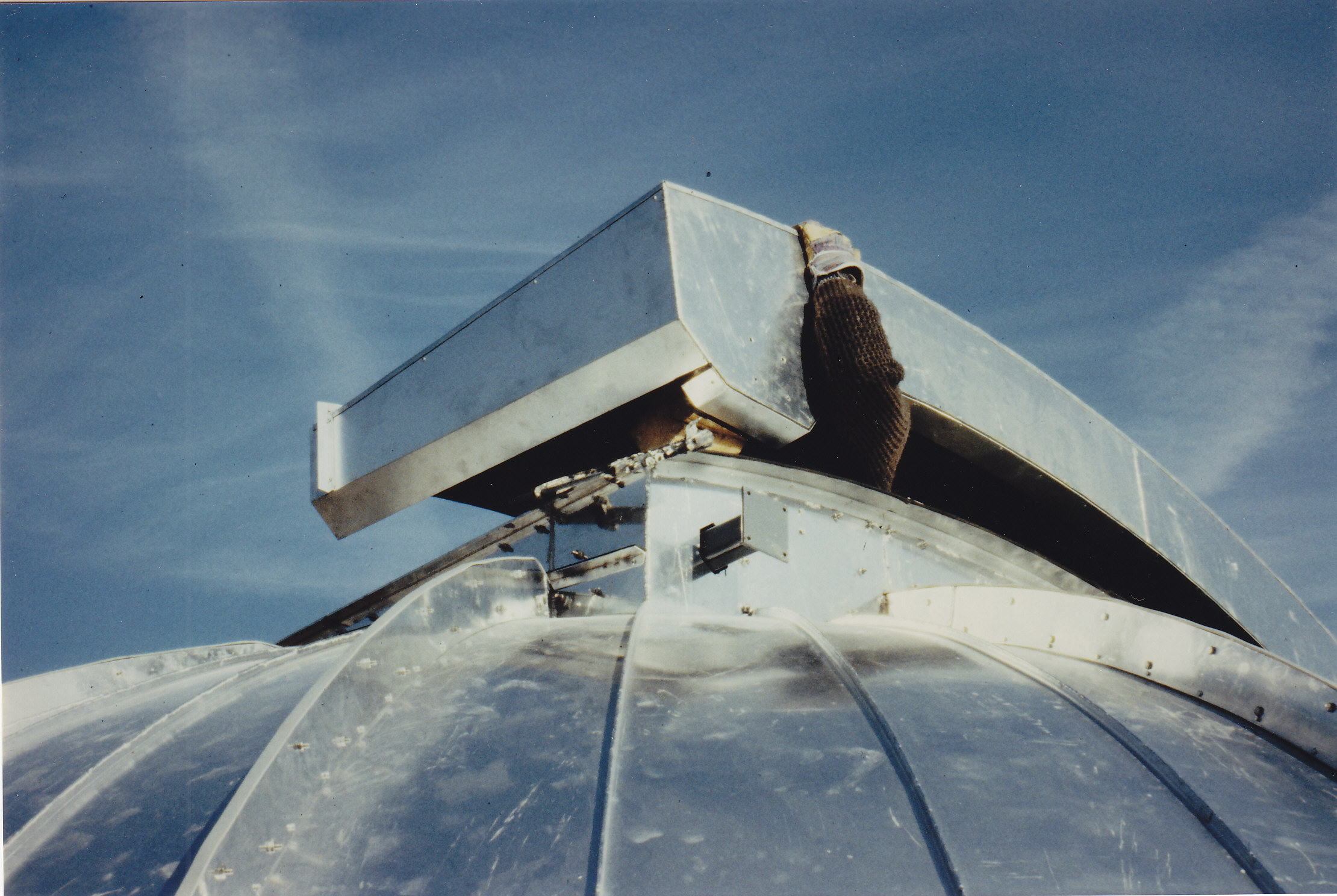
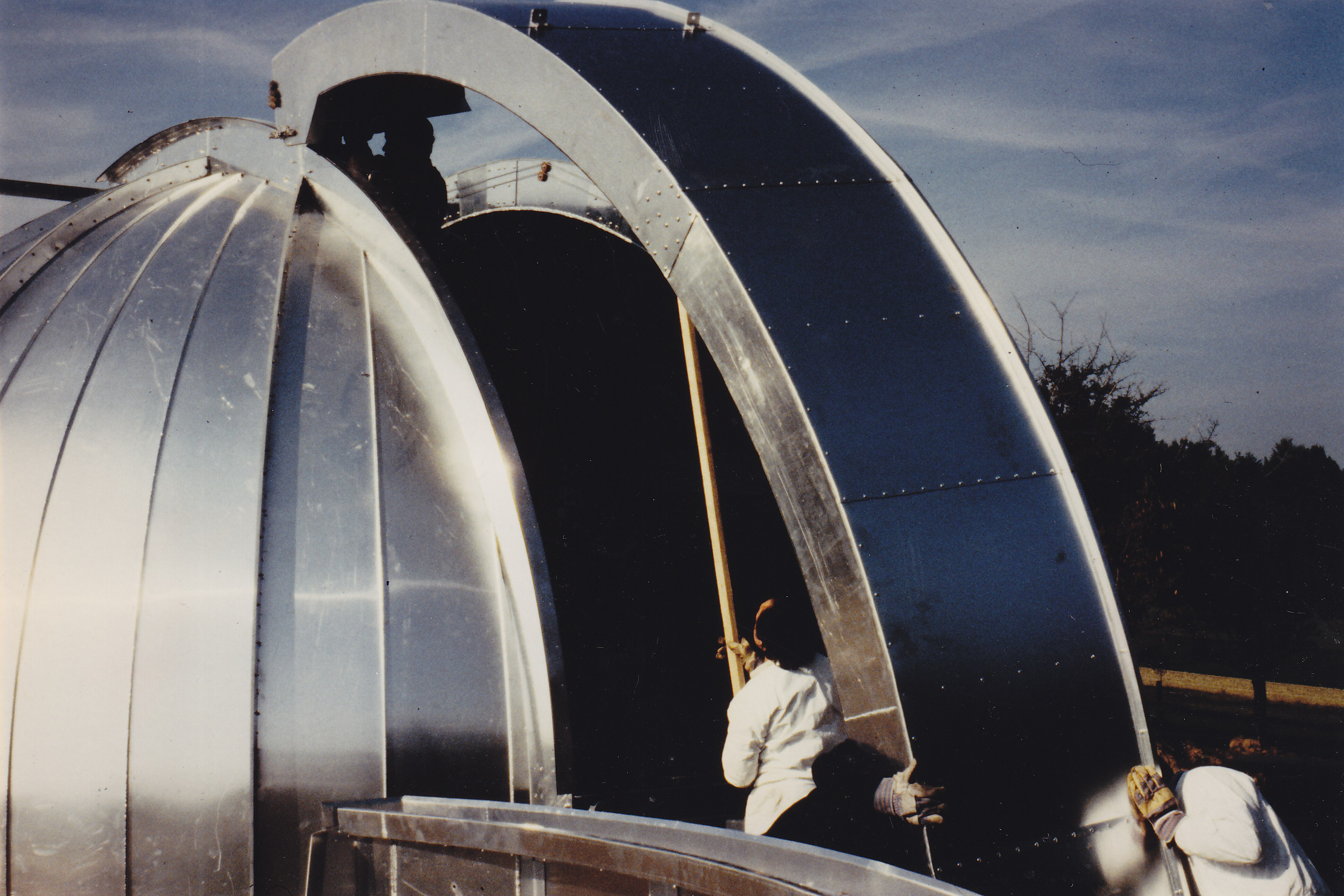
As an additional pillar – also because GRP projection domes were no longer being ordered in sufficient quantities – Claus Baader looked for other suitable representations and traveled, among other places, to Observa Dome in the USA, which at the time was promoting its first in-house 3 m GRP dome. Very soon, however, Observa Dome switched to aircraft aluminum as a material, using a special welding technique. In the years up to 1989, a larger number of Observa Dome domes were sourced under exclusive representation and delivered in Europe – including a 16.5 m dome to the ESO in Chile (1984).
This period was extraordinarily instructive and often accompanied by painful experiences – especially regarding the problems that can arise with metal domes. This was already, from 1977 onward, the decisive reason behind the decision to expand the existing production of GRP projection domes into a production line for rotatable observatory dome structures.
The initial spark came in 1979: a firm order for one 8 m and one 3 m metal dome in Iran near Qom absolutely had to be fulfilled. However, American products became impermissible overnight as a result of the Islamic Revolution in what was then “Persia” – unfortunately also a severe blow to Observa Dome in the USA. For Baader Planetarium, this created a dramatic race against time virtually overnight: within just a few months, both domes had to be fully developed and produced in GRP, including mold making and all mechanical components. The order was delivered on schedule, and both domes are still in service to this day at an altitude of approx. 3,000 m. Ultimately, it was the forced beginning of continuous production of observation domes from 2 to 8.5 meters, and at the same time a stark signal of how strongly international projects can depend on political conditions.



From 1978: In-house observatory domes
Rising to an international reference
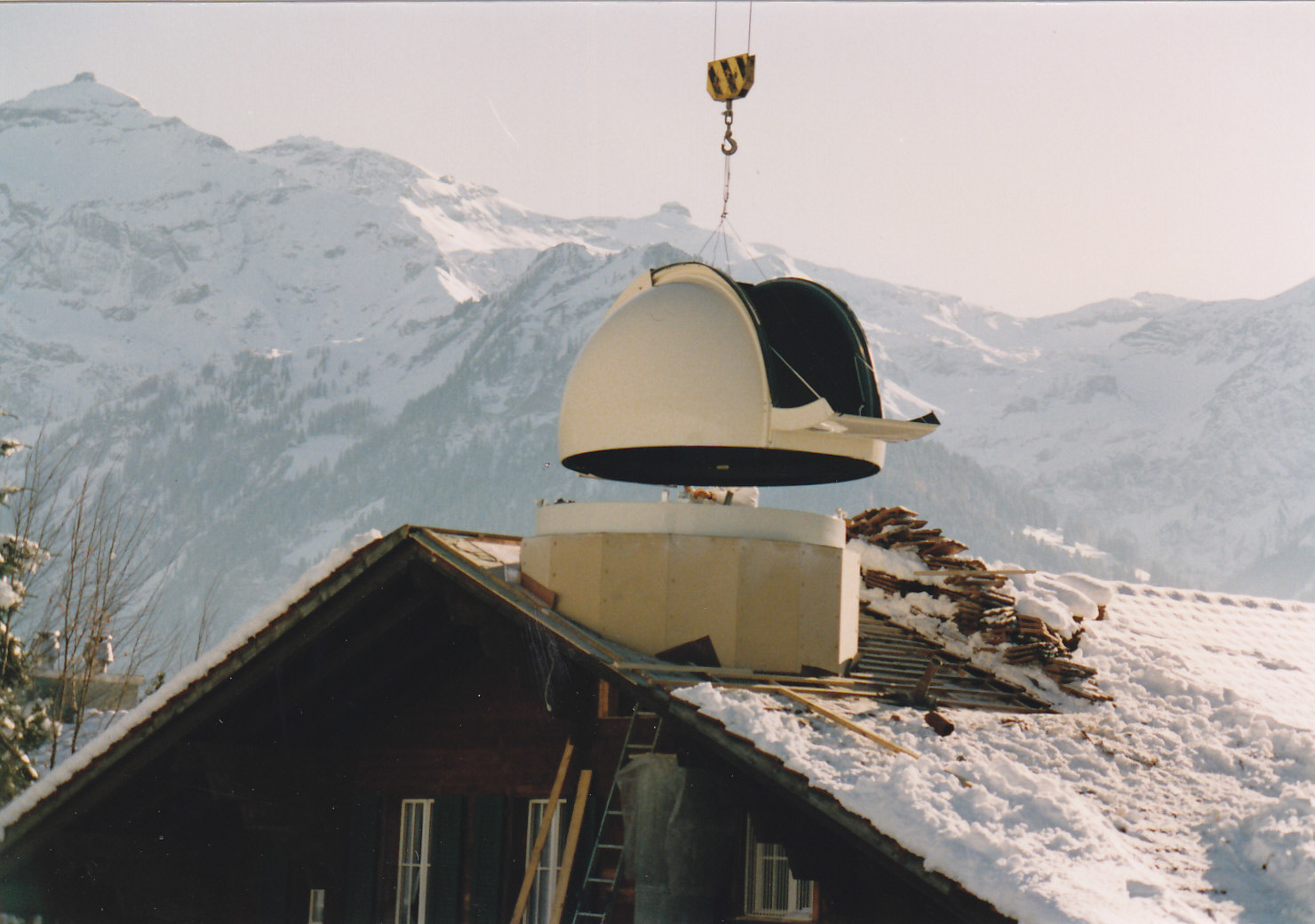
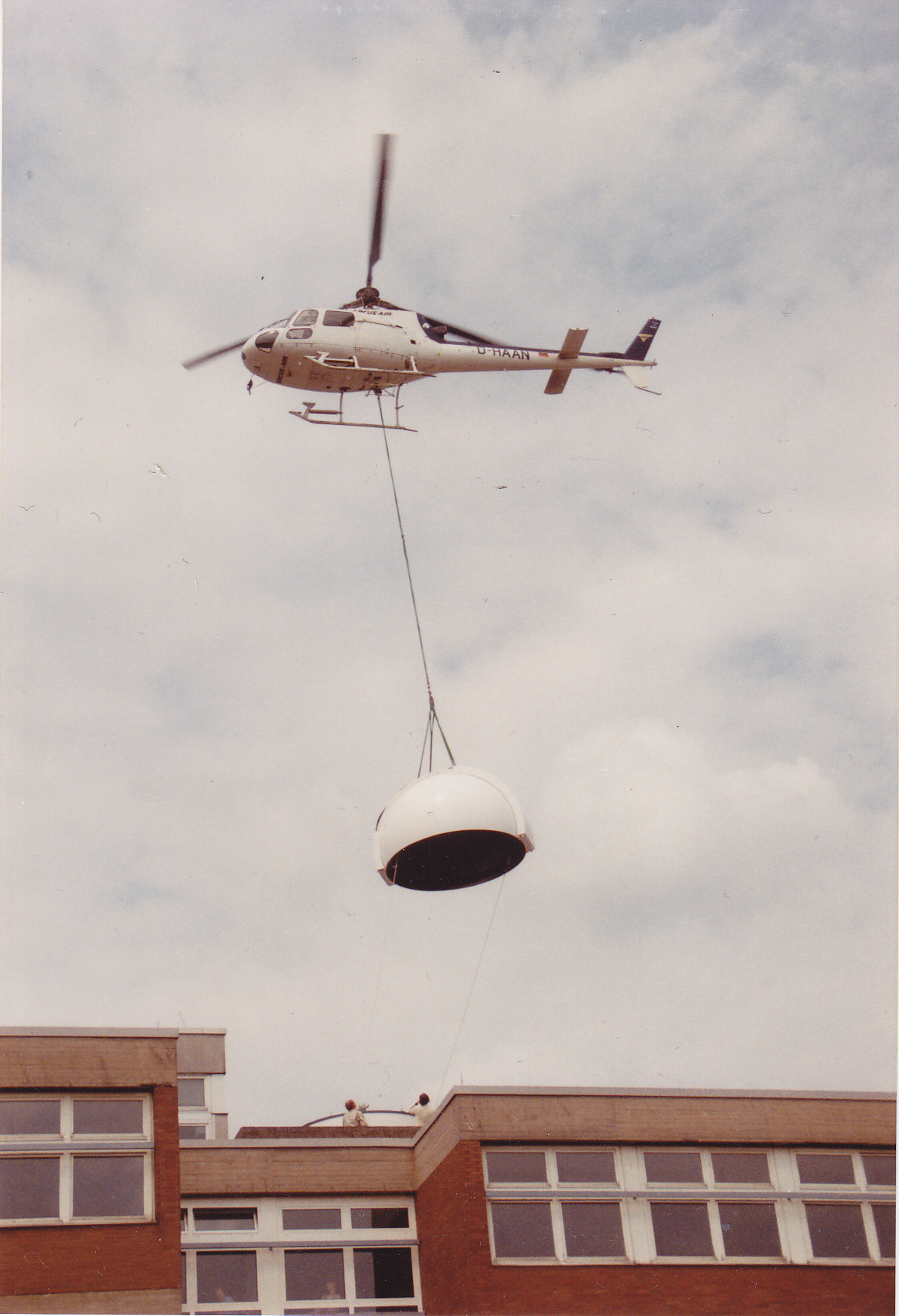
As early as around 1978 Baader Planetarium began making molds for a 2.1 m observation dome made of glass-fiber composite material. From 1979 (see above), a series of 3.2 m domes was developed – partly in true pioneering work – and delivered from 1980 onward.
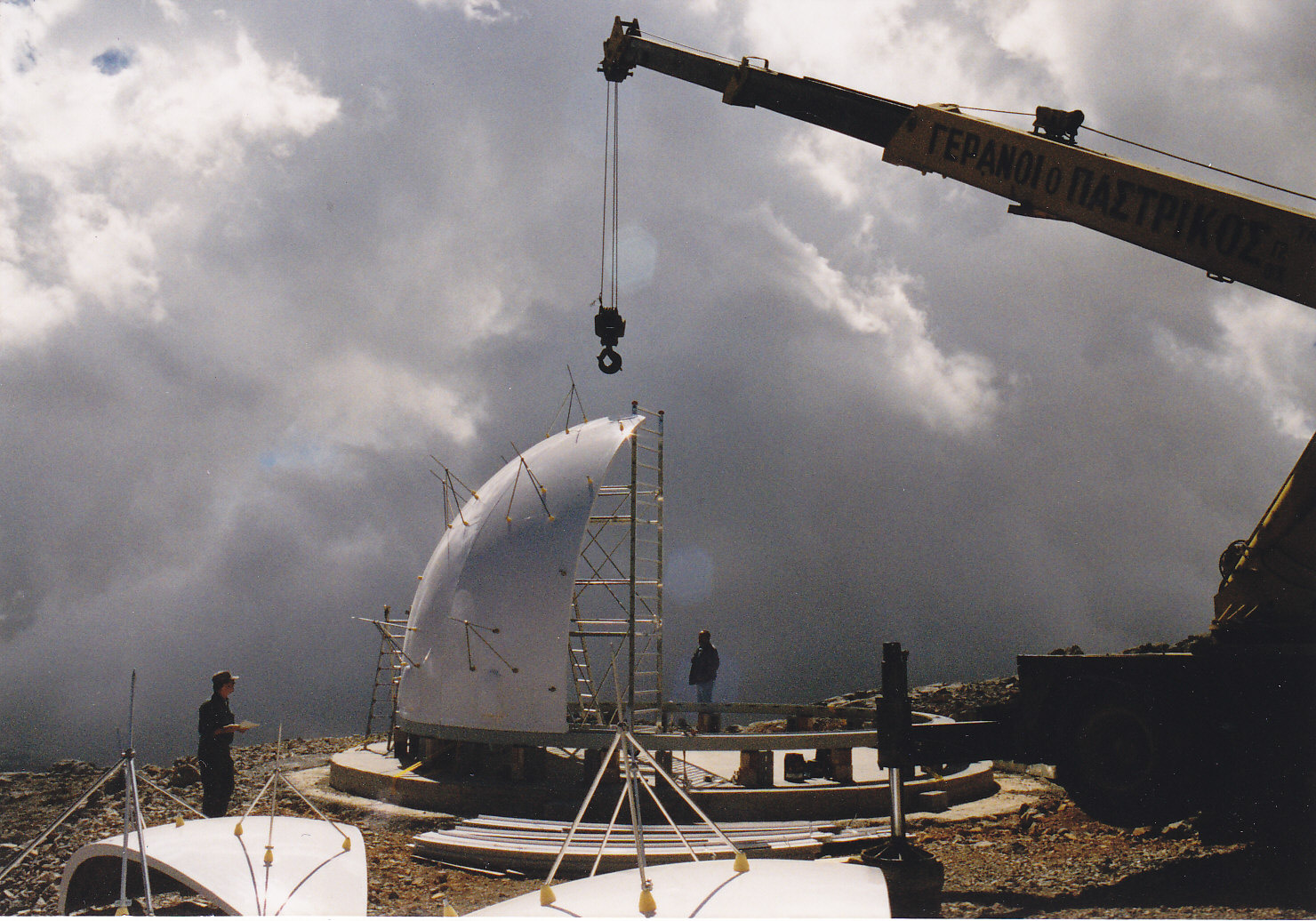
An early major project was the 1984 installation of an 8 m observation dome for the Gregory Telescope at the Izaña Observatory on Tenerife. In the mid-1980s, further international steps followed: at the Skinakas Observatory on Crete, a 3.2 m dome was first installed from 1986 onward; in 1997 an 8 m dome followed (there are now four domes there, the newest from 2025). The site is highly exposed to extreme wind speeds, seismic vibrations, and lightning strikes – an excellent test site for absolutely challenging design conditions.
By the end of the 1980s, Baader domes were in use at numerous schools, universities, public observatories, and research institutions worldwide.





Conclusion: craftsmanship, curiosity, and consistency
The early years of Baader Planetarium are characterized by a clear pattern: technical curiosity, didactic ambition, and comprehensive workshop practice that never shied away from complex tasks. From the patented School Planetarium to the Giant Planetarium as a masterpiece of precision mechanics, and on to projection and observatory domes, this laid the foundation for an international field of activity that continues to shape the company to this day.
The years and technical details mentioned are based on contemporary documents as well as internal records and eyewitness reports from within the company.
To find out what happened next, please visit our timeline: