
Baader Planetarium

Baader Timeline – 60 Years

Baader Planetarium GmbH
– a success story

1852: Historical origins of the name Baader in astronomy

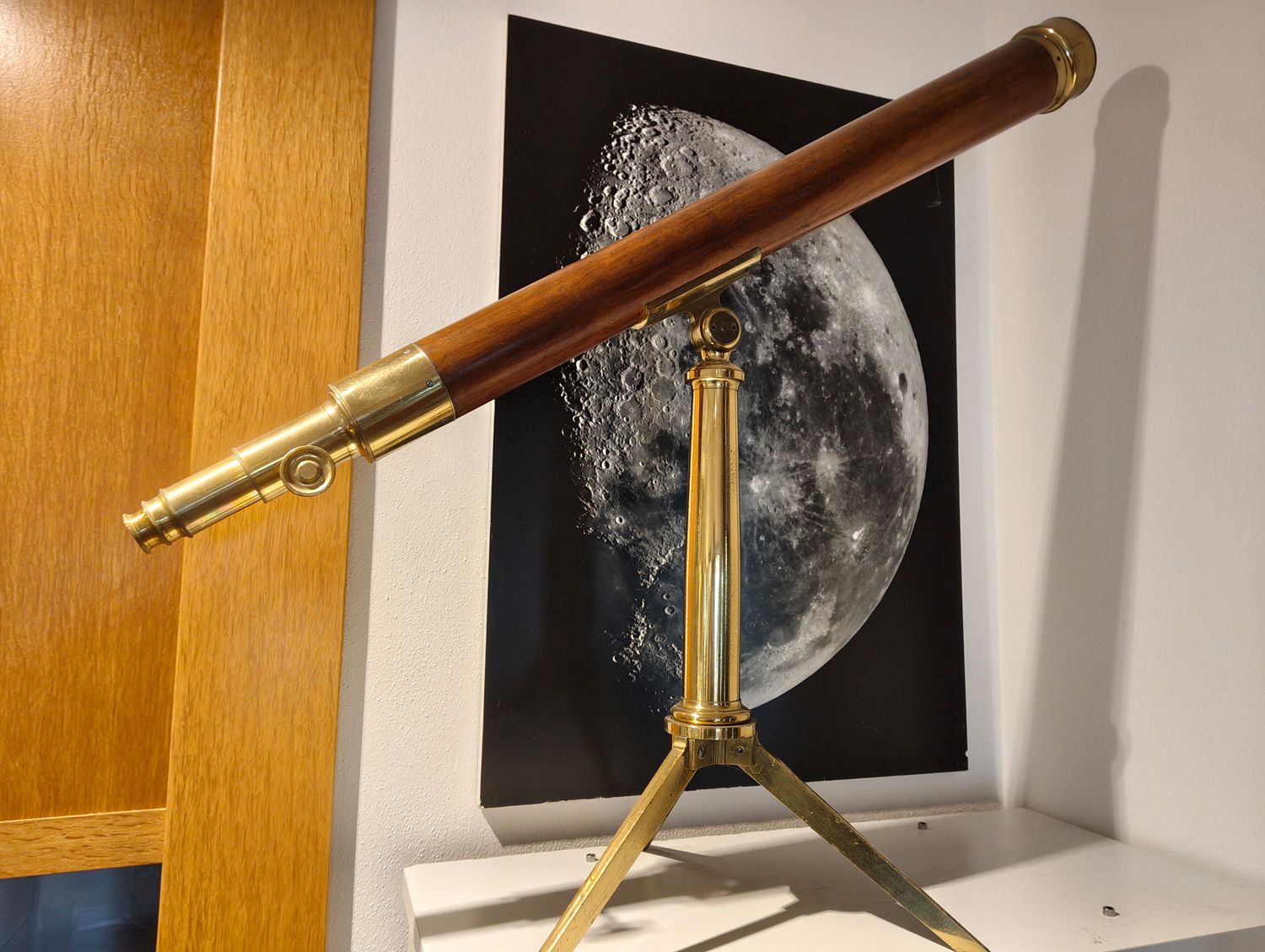
The history of the Baader name in astronomy dates back to 1852, when Michael Baader founded an optical workshop, the “Optische Fabrik M. Baader”, in downtown Munich and, up to 1870, produced more than 600 high-quality achromatic refractors with apertures up to 5 inches. These telescopes and accessories were awarded prizes at world exhibitions in Berlin and Paris.

Before that, from 1838 onward he had worked at the optical glass manufactory of Martin Woerle and was married to Woerle’s daughter. Woerle himself, under the direct guidance of Josef von Fraunhofer—one of the founders of modern optics and inventor of the “German equatorial mount”—had acquired extensive knowledge in the production of optical glass as well as in the manufacture and testing of achromatic lenses.

This early connection of the Baader name with optics forms the historical origin of a long tradition of precise optical manufacturing.

1966

Baader Planetarium

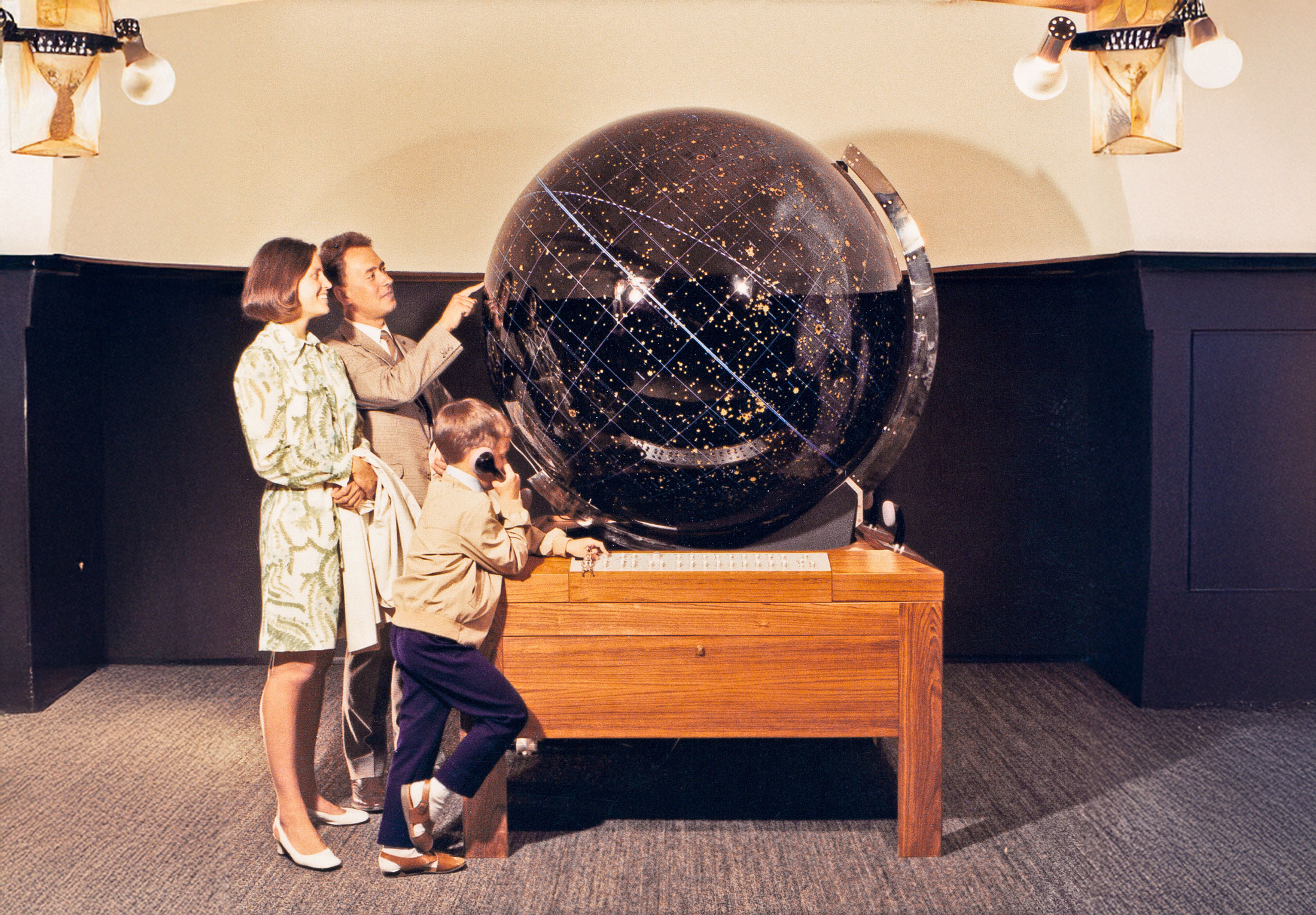
Claus Baader – born in 1924 in Schliersee, originally a journalist and photographer – founds Baader Planetarium KG in Munich together with his wife Inge, driven by his fascination with physics and inspired by the curious questions of his son Thomas. In the same year, his first product for the coming Space Age and the first Moon landing is launched and patented worldwide: the Baader School Planetarium, a 50 cm mechanical star globe with an internal tellurium.

The device becomes a worldwide success – over the following decades, more than 15,000 Baader planetariums are sold to schools and universities around the globe, establishing the company’s name in astronomical education.
1968

Baader Giant Planetarium

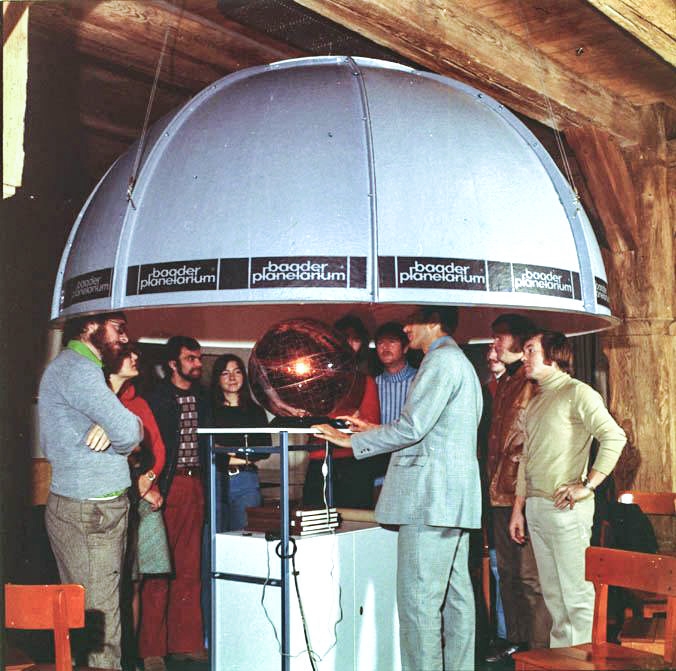
In 1968, the small school planetarium with a diameter of 50 cm gained a big brother. This Baader giant planetarium displays all nine planets inside a motor-driven celestial sphere with a diameter of 1.3 m. Each planet, together with all of its moons, orbits a model Sun along its geared track, driven by its own stepper motor at true-to-life speed.

Only a small number of these mechanically highly demanding units were produced; unfortunately, they are no longer available today.

1970

Projection Domes

Driven by the success of the school planetarium, Baader Planetarium expands its product portfolio shortly after its founding. The company begins manufacturing projection domes made of fiberglass-reinforced plastic (FRP) for its own planetariums, enabling the Baader planetarium to display the starry sky with the visible motion of Earth and Moon in a spherically correct projection. The largest projection dome has a diameter of 10 meters and was manufactured and installed in 1978 for Carl Zeiss in Oberkochen.

1972

Distributions & New Strategies

As crewed Moon missions were discontinued, the market environment for many “space-age products” changed noticeably. Baader Planetarium leveraged its established customer base in the education sector and expanded its portfolio with purpose: it took over the sales of Celestron telescopes for the German educational market, and shortly afterwards received the offer to become a distributor for the Middle East.

In parallel, the cooperation with Observa Dome (USA) provided valuable experience in the field of domes and laid the foundation for Baader’s later expansion into its own FRP dome production.

1978

Construction of observatory domes

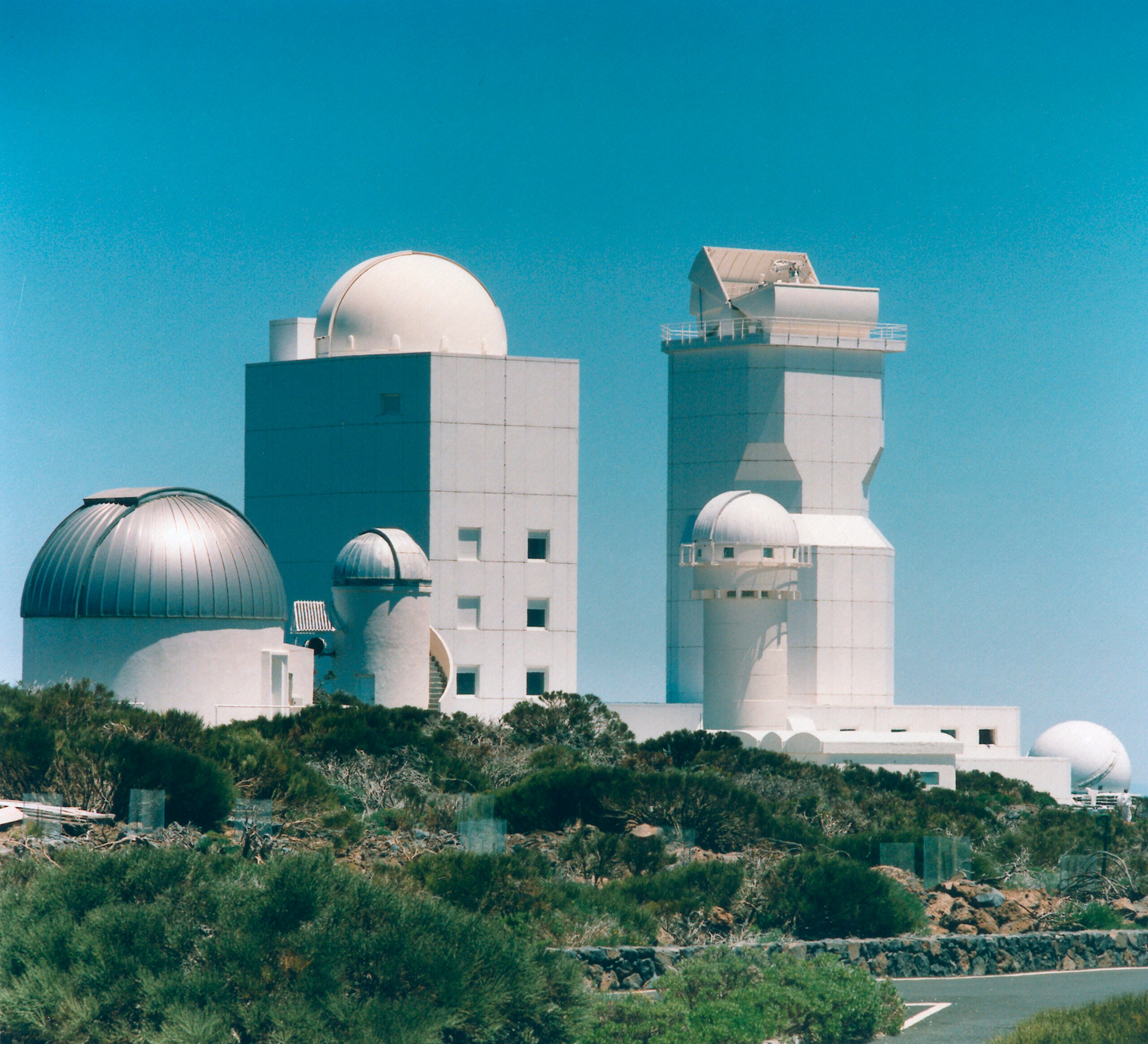
Around 1978, Baader Planetarium begins building observatory domes made of fiberglass composite. In 1984, an observatory dome with a diameter of eight meters is installed for the Max Planck Institute in Tenerife. This project – one of the first on this scale – demonstrated the company’s technological expertise in dome construction.

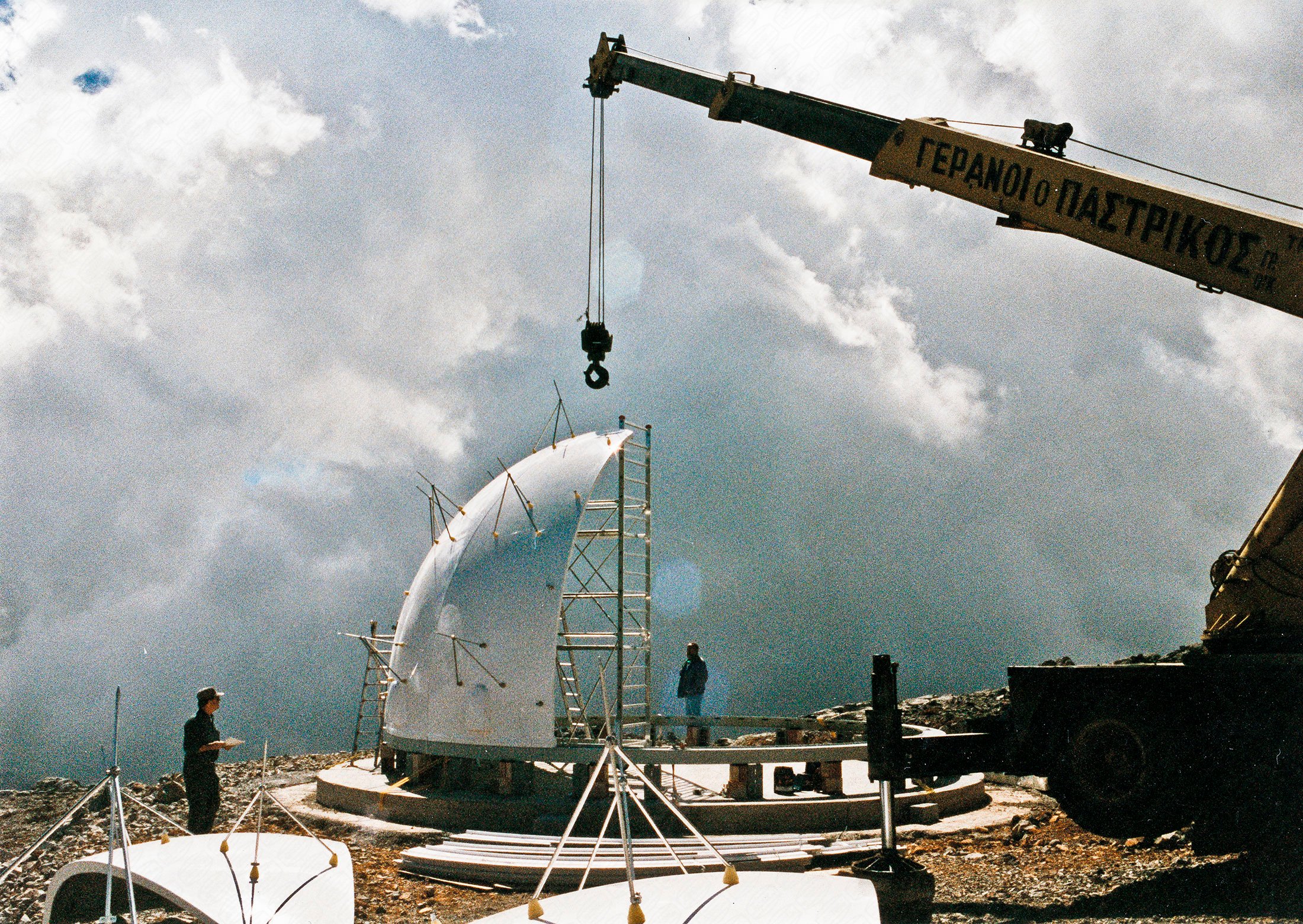
By the mid-1980s, Baader succeeds in entering international projects: in 1986, the Skinakas Observatory on Crete’s highest mountain, Stavros, is initially equipped with a 3.2 m dome and, in 1997, with an 8 m dome by Baader. This exposed site is subject to extreme weather conditions, confirming the high quality of the domes.

By the end of the 1980s, Baader domes are already in use at numerous schools, public observatories, and research institutions – in Germany and beyond.

1982

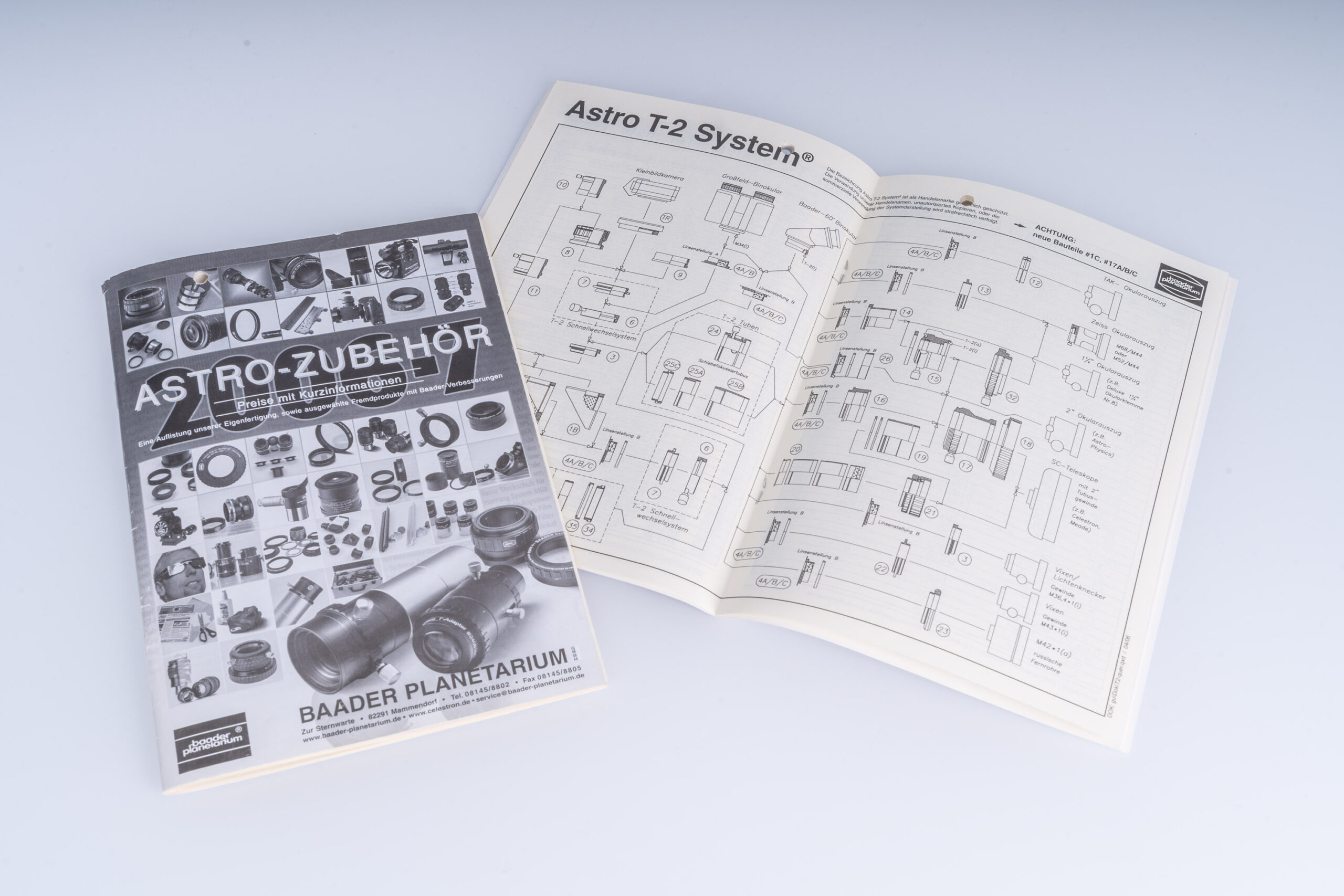
First Baader accessories

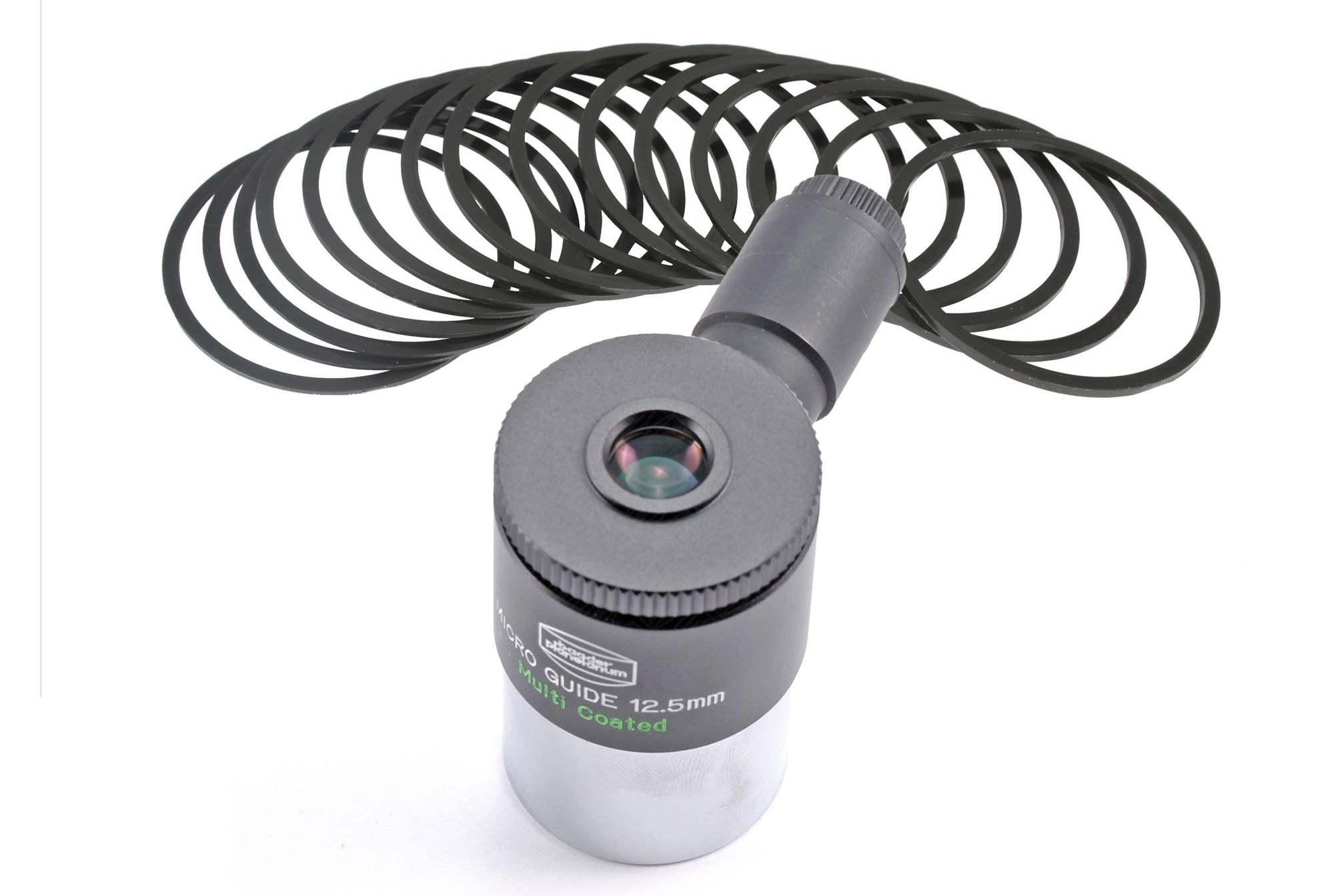
The distribution of the first Celestron telescopes creates the need to develop in-house telescope accessories to meet the growing demands of teachers, scientists, and amateurs.

This marks the beginning of a decades-long success story, with now more than two thousand different Baader astronomical accessory items, ranging from simple mechanical adapters to sophisticated optics.

1988

Astro-Physics, SBIG and Zeiss

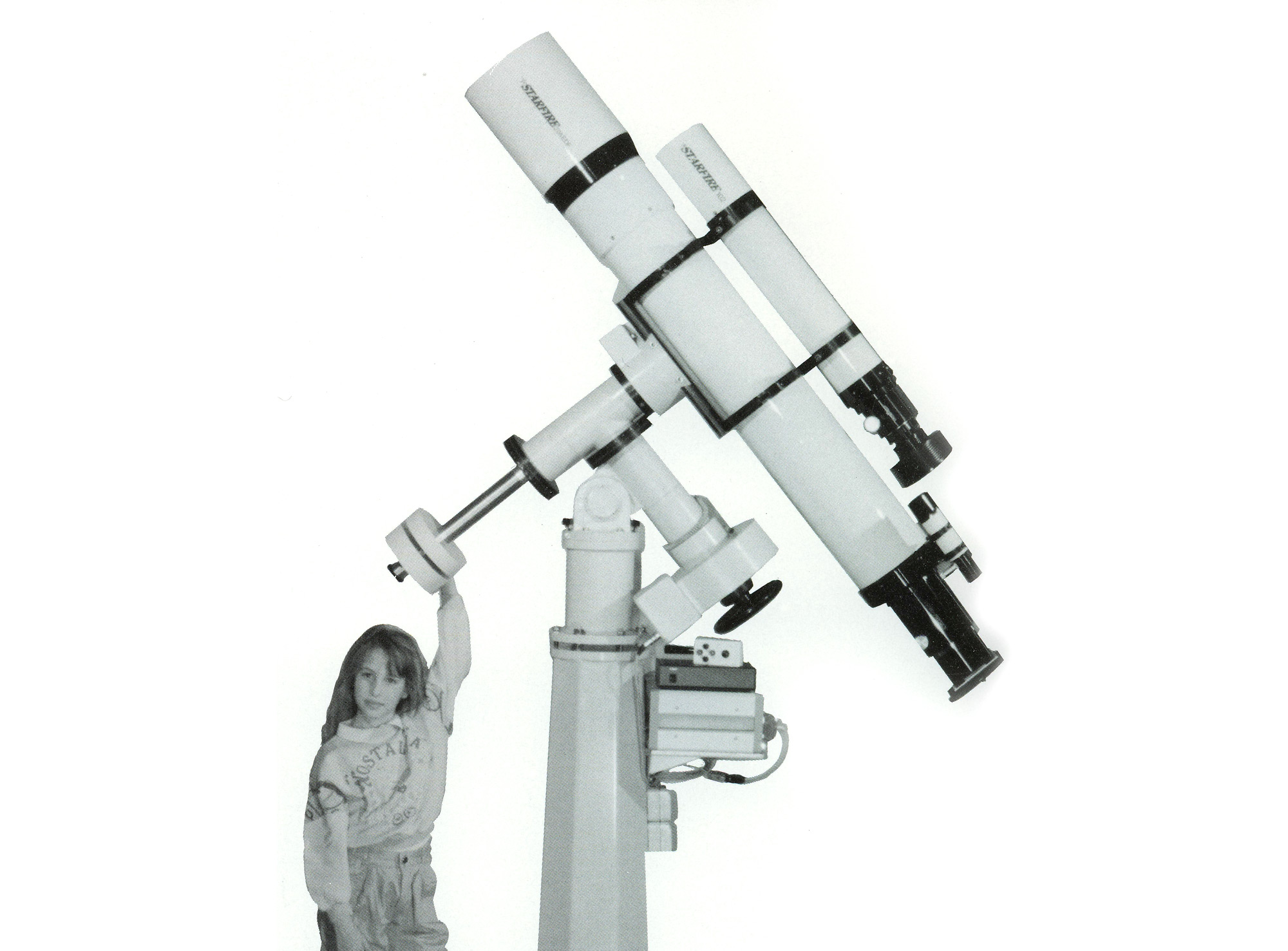
Baader Planetarium becomes the general distributor for Astro-Physics (USA) in the German-speaking region. This marks the start of distributing high-quality apochromats and mounts for ambitious amateurs and professionals. Later, partnerships follow with other renowned manufacturers such as SBIG and Carl Zeiss.

1991

Relocation to Mammendorf

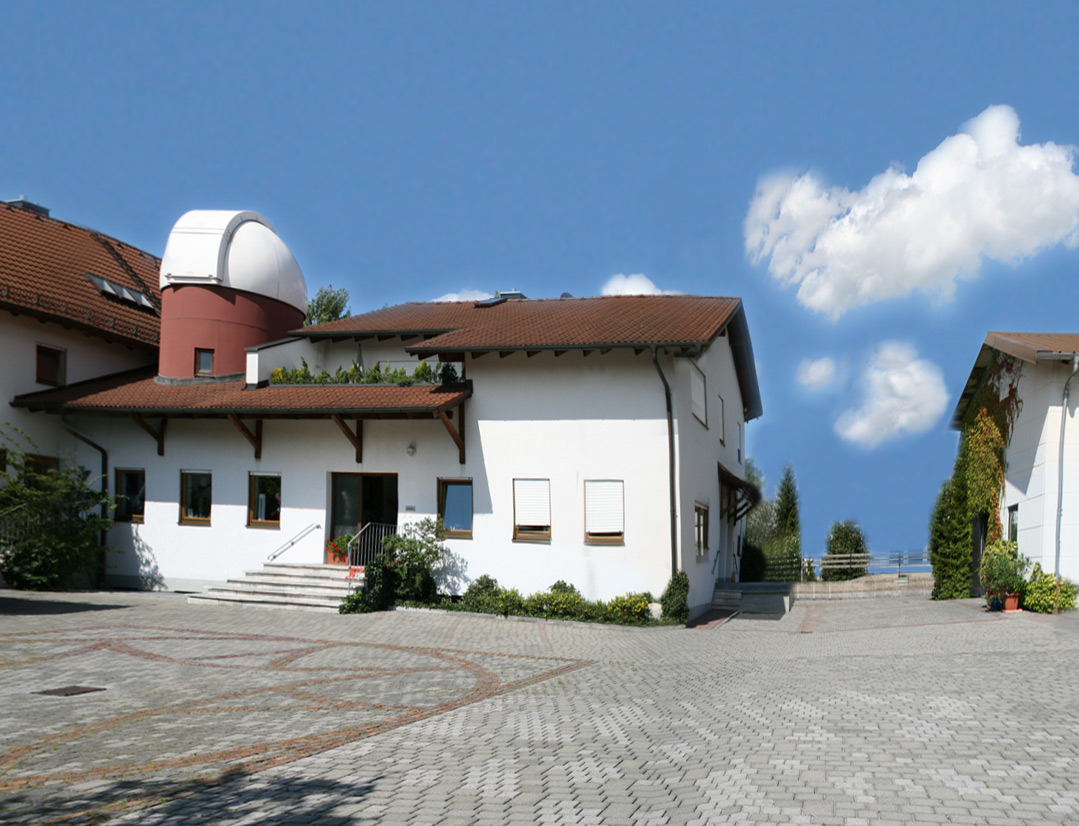
Due to company growth and the urgently needed expansion of manufacturing capacities, the company relocates its headquarters from Munich to nearby Mammendorf. There, Baader Planetarium moves into a newly built company facility with its own production hall.

A company-owned 4.2 m observatory dome is installed on the roof of the building and thereafter serves as a test lab for new dome technologies and telescope systems. The relocation enables the company to handle larger orders efficiently and marks a strategic step toward becoming a system supplier – especially toward modern series production of observatory domes.

1993

Dome on Mt. Zugspitze

The company receives an important contract from the Fraunhofer Society for atmospheric research: to build a 2.6m slit dome suitable for high-alpine conditions on Germany’s highest mountain (2,965 m). This slit dome withstood measured wind speeds of up to 336 km/h for 29 years without interruption, reliably protecting the installed heliostat and the spectrograph located underneath.

In 2023, the still fully functional dome was replaced by a modern 2.3 m AllSky dome, enabling work with two state-of-the-art spectrographs simultaneously from the same location thanks to the fully opening AllSky dome.

1994

Custom development for Bundeswehr

Commissioned by the German Armed Forces (Bundeswehr), as early as the 1990s a total of three 5.45-meter clamshell high-speed measurement domes are developed for the Wehrtechnische Dienststelle 91. These clamshell domes are designed for ballistic measurements and are equipped with a high-speed rotary drive, allowing this dome design to rotate at a standard 30°/s up to a maximum of 90°/s.

The highly dynamic rotary drive developed for this purpose still forms the basis for today’s modern Advanced slit domes with high rotation speed.

1995

Claus Baader (✝) Honor

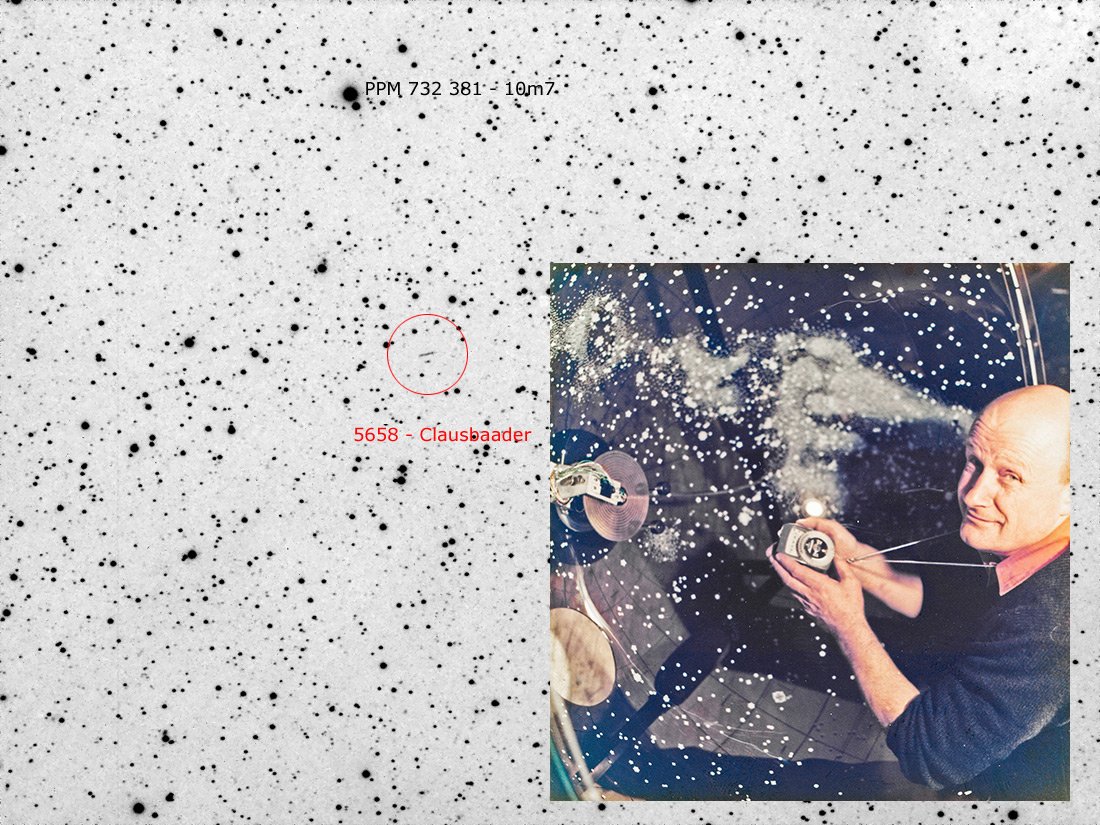
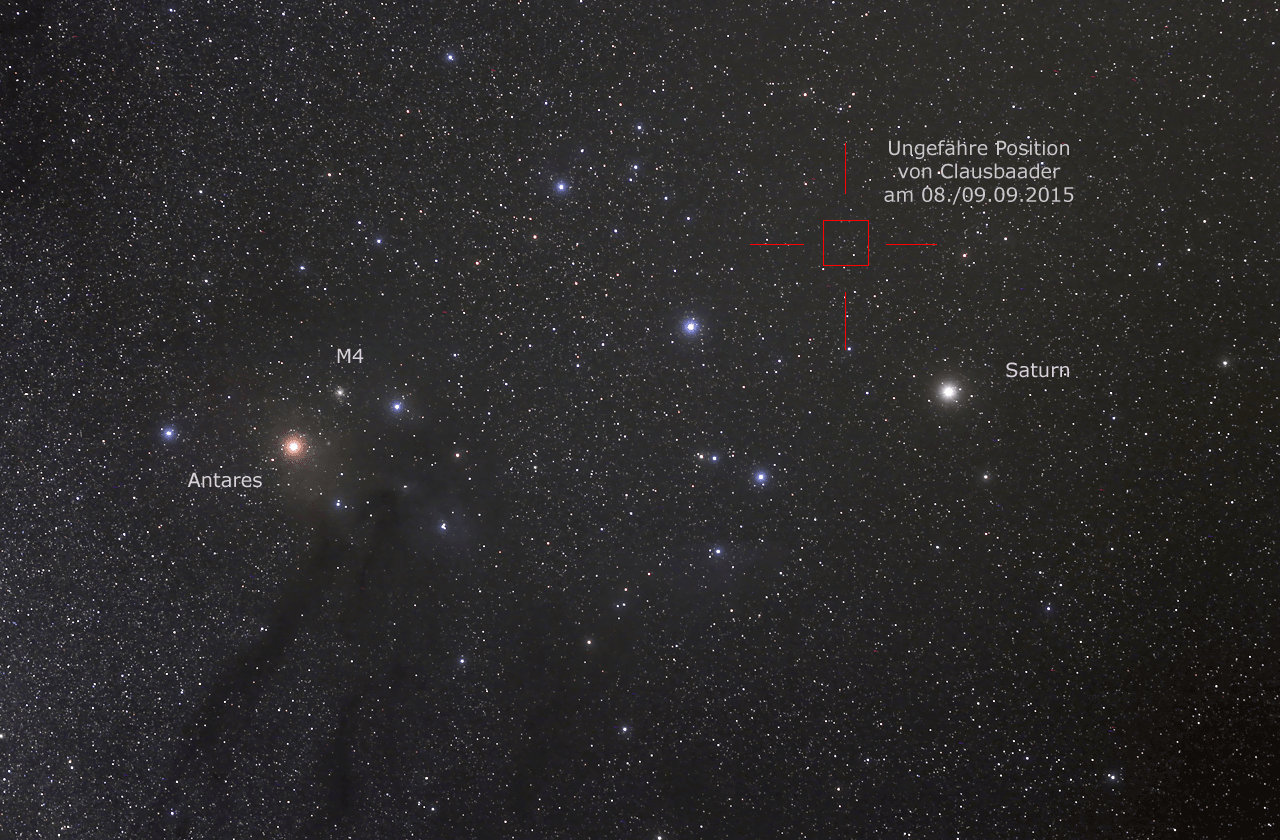
Company founder Claus Baader dies at the age of 71. For his contributions to astronomical education in the spirit of the Copernican worldview, he is honored posthumously with the naming of the minor planet (5658) Clausbaader.

After many years of joint management, leadership of the family business now passes fully to his son Thomas Baader, who continues to run the company together with his mother Inge Baader (✝ 2012) and his wife Cordelia Baader.

1999

Development of AstroSolar® film

Developed and patented by Baader for the 1999 solar eclipse, the AstroSolar® solar filter film is introduced. It enables safe, high-quality solar observation and becomes the global standard for white-light observing and imaging – from schools to professional use.

In addition to film for telescopes, more than five million Baader solar eclipse glasses have also been sold.

2002

General distribution for Celestron

After more than 25 years of distributing Celestron equipment to the Near East as well as distributing Celestron to all schools in Germany, Baader Planetarium receives the offer to act as the general importer for Celestron in the German-speaking region.

This makes Baader Planetarium responsible for distribution and service in Europe for the well-known Schmidt-Cassegrain telescopes, taking over from the previous general importer, Vehrenberg, and expanding its own distribution program to include numerous Celestron products and accessory lines.

2006

New product lines

Baader significantly expands its accessory range in the consumer segment. With Hyperion® eyepieces, ClickLock® adapters, filters, and coma correctors, proprietary product lines are created that achieve international success. Baader is now regarded as a “problem solver” for precise astronomical system solutions.

2007

New dome type “AllSky Domes”

After approx. 30 years of producing classic slit domes, Baader Planetarium launches an innovative new product that opens up completely new possibilities in the observatory segment.

These clamshell domes, which can open up to around 180°, provide an unobstructed view of the entire sky and are available in sizes from 2.3 to 6.5m.

2008

Distribution for 10Micron / PlaneWave

Baader Planetarium expands into the global market for high-end astronomical installations. The company becomes the Europe-wide distributor for top-tier suppliers such as PlaneWave Instruments (USA) – large astrograph telescopes and mounts – as well as 10Micron (Italy) with precise absolute-encoder mounts.

2009

Dome at the coldest place on Earth

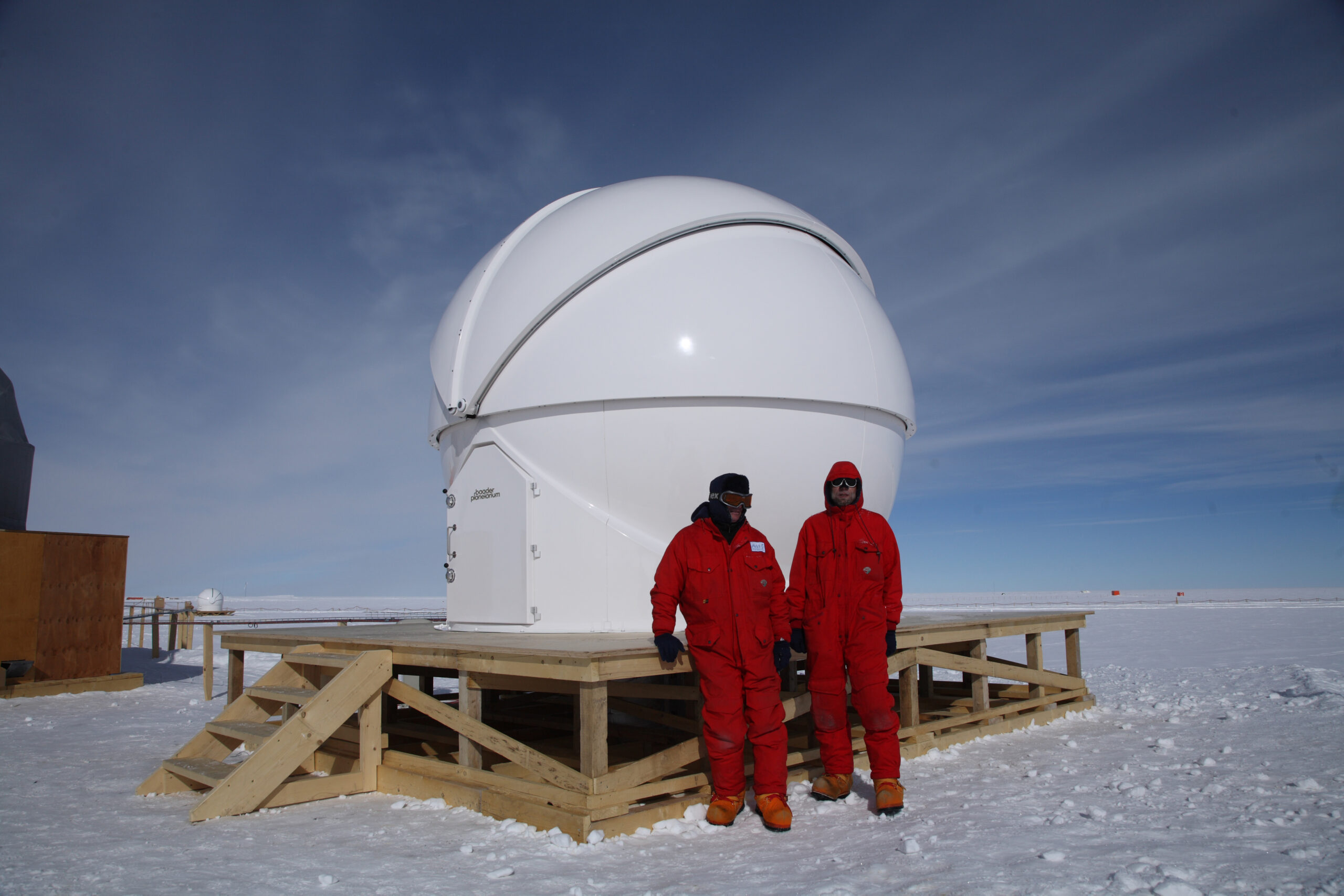
Baader builds a 4.5m AllSky dome at Dome C for the Alfred Wegener Institute (AWI) in Antarctica. Dome C is one of the coldest places on Earth, with temperatures of -35°C in the Antarctic summer, and down to below -80°C in winter.

Building an observatory dome for such extreme climatic requirements was an extremely demanding technical project, with the highest requirements for cold-resistant mechanics and power electronics.

2011

New logistics building

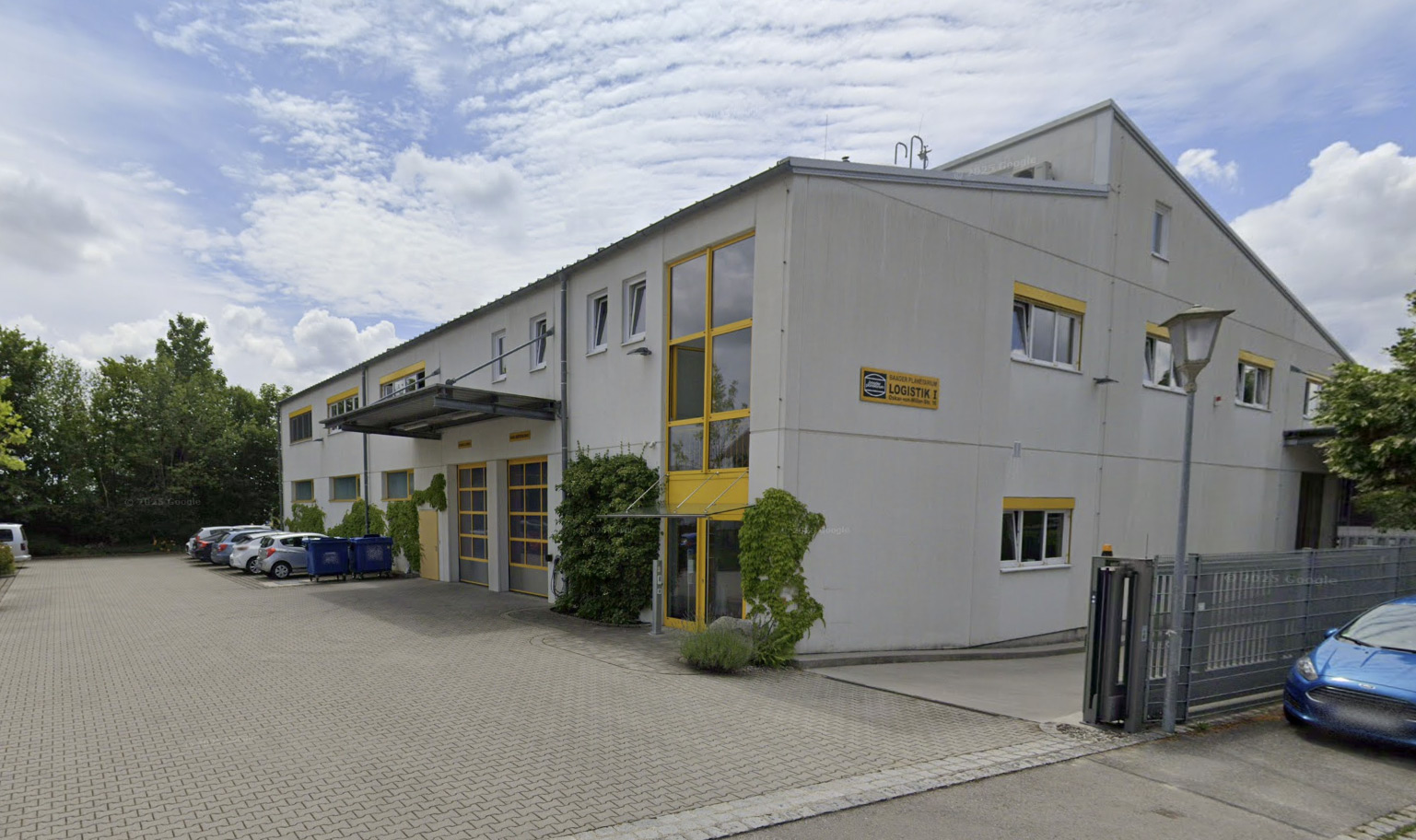
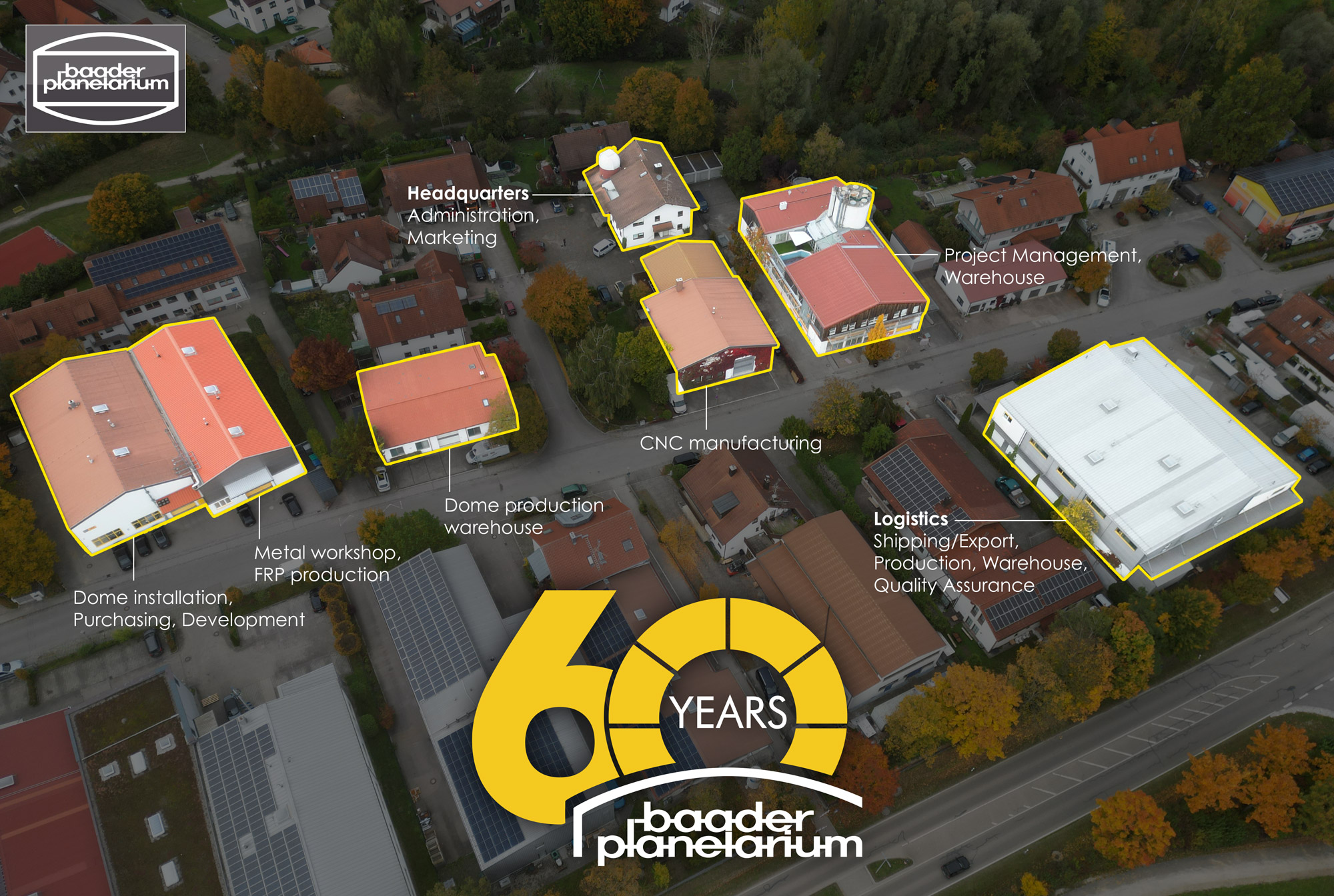
In 2011, Baader begins construction of the logistics building. From here, all goods shipping and most of the production (excluding domes) take place today. Images of the site can be found, for example, in the article about the partial solar eclipse in 2015.

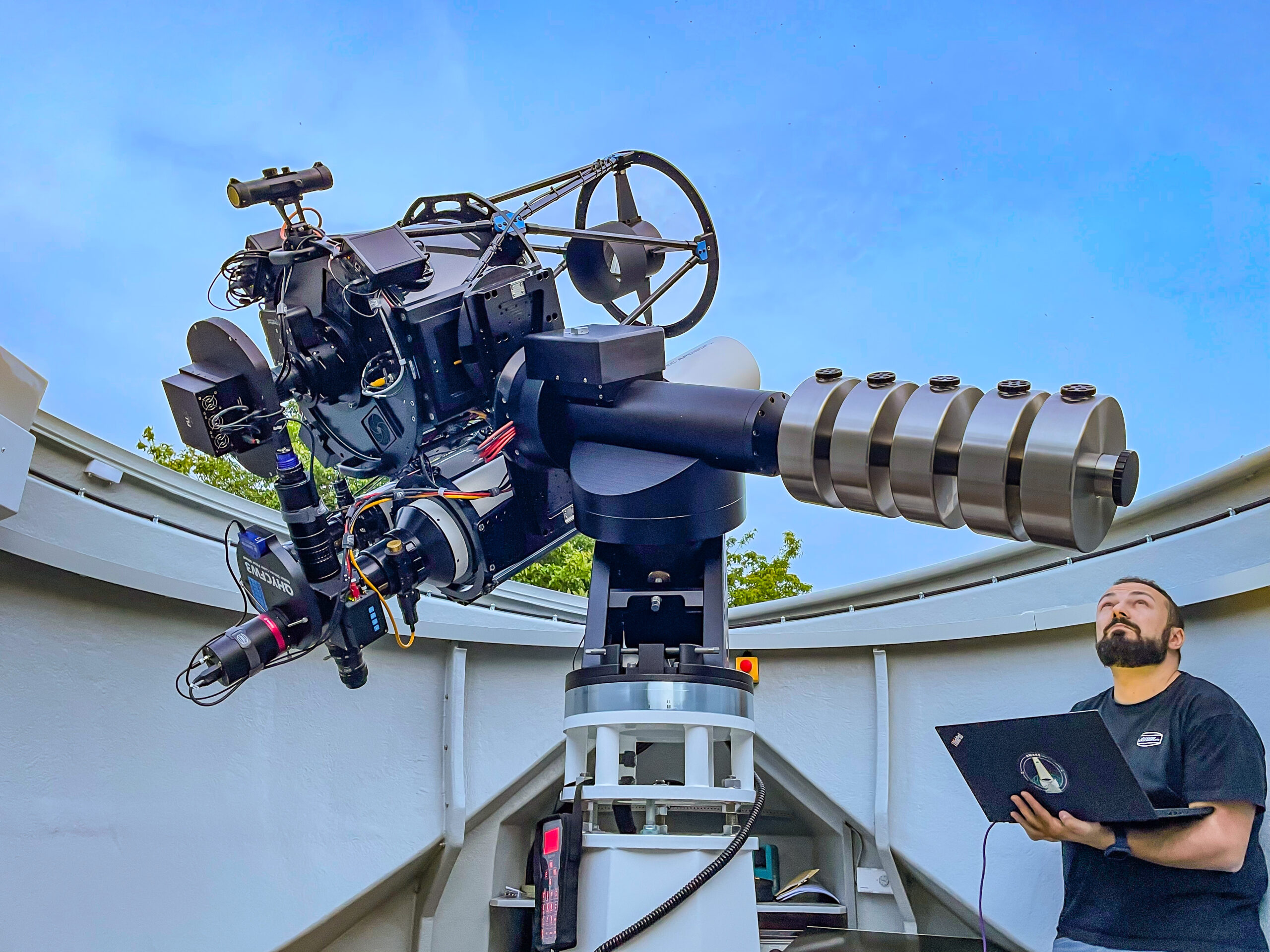
All telescope installations are also tested and integrated here, such as two 1-meter telescopes for the German Armed Forces (see 2024).

2013

Continuous expansion of the portfolio

Baader continues to establish itself as an allround astronomical provider. Every year, several new products or series are released, ranging from simple M48 thread adapters and well-designed Wide T-rings to complex Diamond Steeltrack focusers.

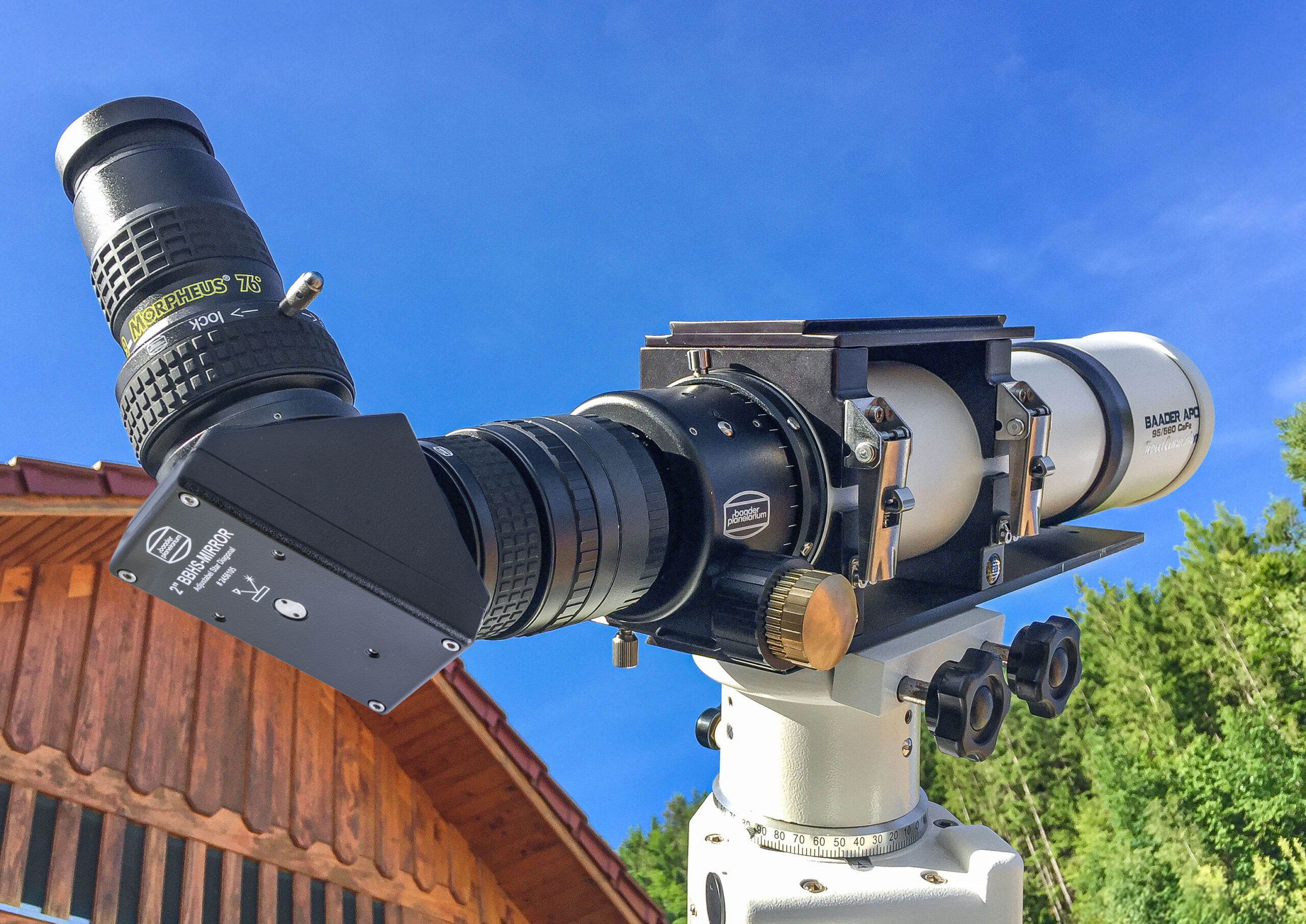
The Baader APO 95/580 CaF2 Travel Companion, produced in small batches, is also very popular and highly sought after by customers, resulting in long waiting lists at times.

2016

Turnkey observatories

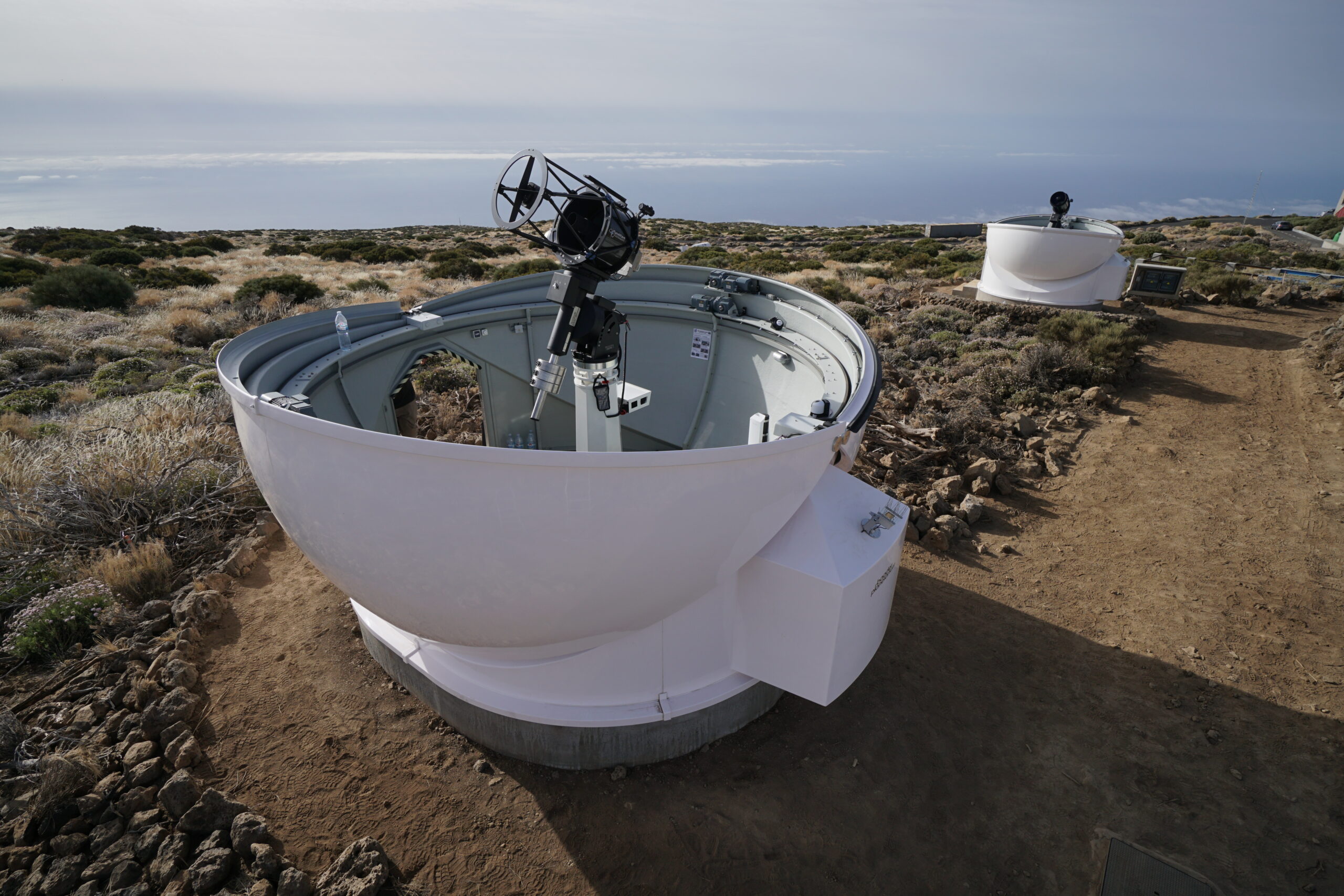
Even though there were occasional projects of this kind in the past, from 2016 onward the business of so-called complete observatories increases significantly. These systems are precisely tailored to each customer’s requirements and include, in addition to the domes, complete planning, telescope(s), mount and accessories, software integration, and turnkey on-site installation. The photo shows two complete observatories for the Open University in Tenerife.

In addition to NASA / ESA / DLR and AIRBUS, many other renowned customers have been supplied in recent years. Get an impression on the Baader observatory world map; in total, more than 600 Baader domes with diameters from 2.1 m to 8.5 m are now in operation worldwide.

2019

Relocation of dome production

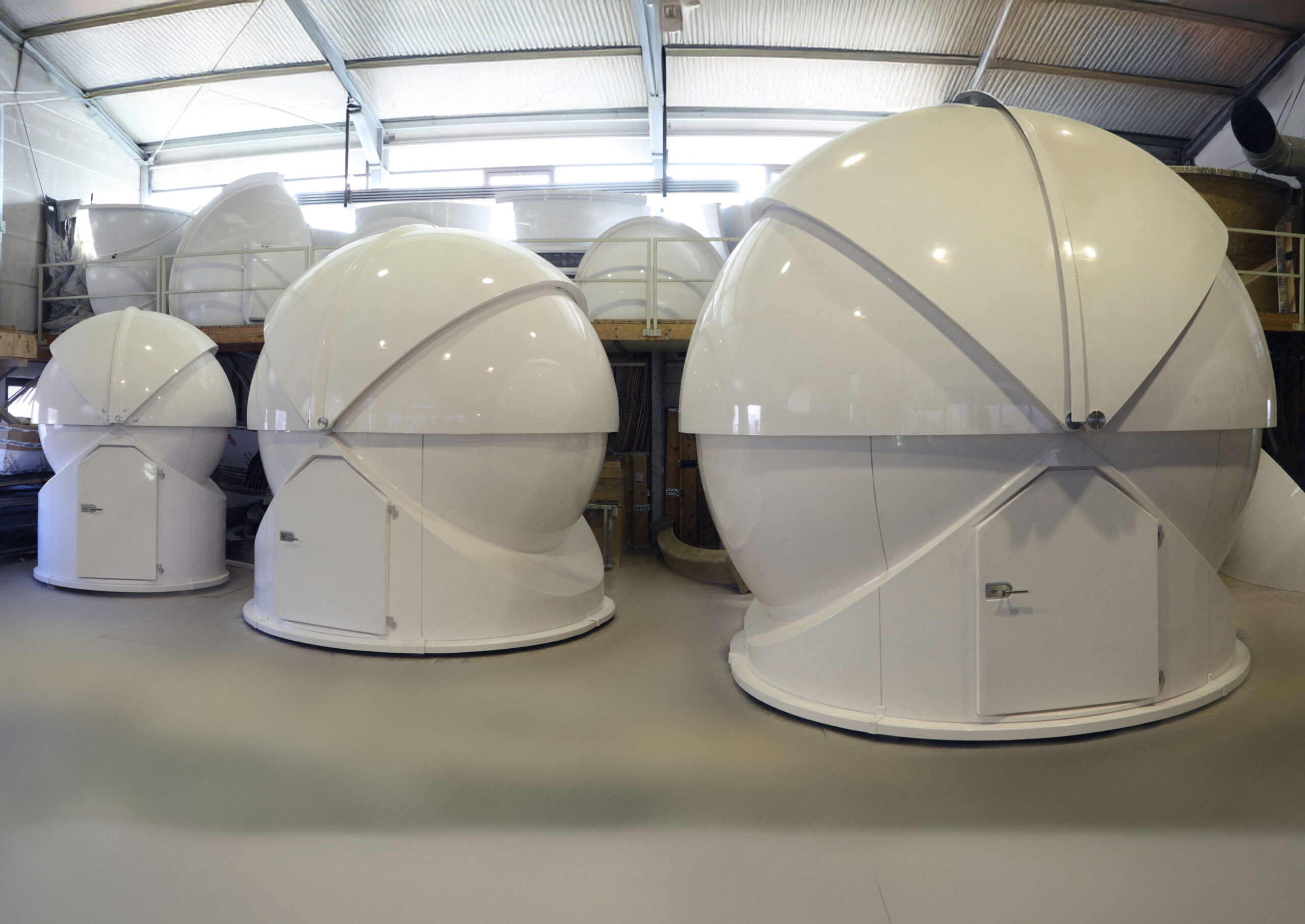
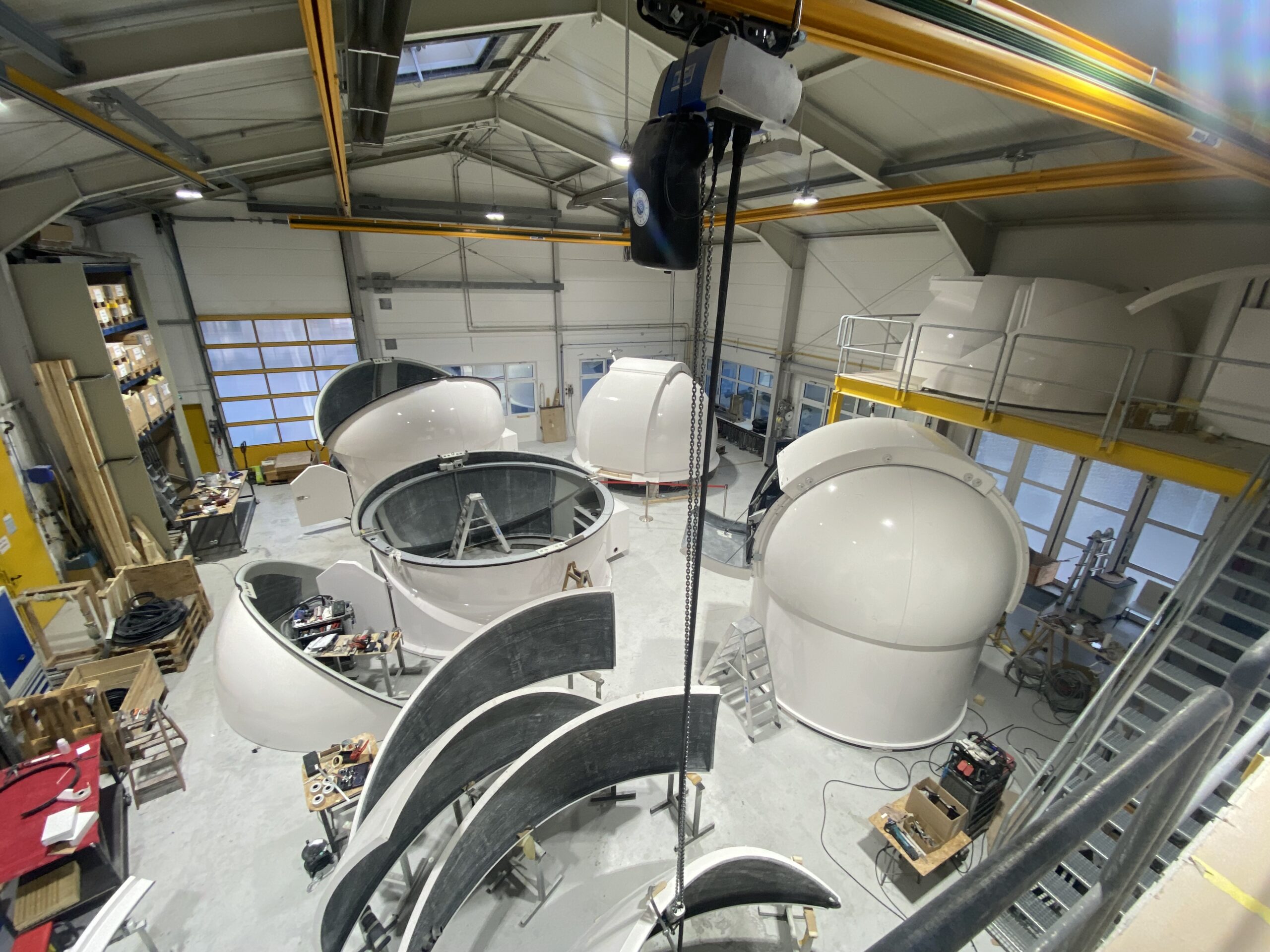
Due to increased environmental and process requirements, all dome production and the in-house metal workshop were moved to newly built production halls. All steel and FRP components of Baader observatory domes are manufactured there in various sizes and designs – from the classic slit dome model to highly dynamic advanced systems with fast opening and rotation movements.

Each dome is fully assembled and tested before shipment to ensure flawless operation under all climatic conditions. Centralized manufacturing enables higher capacity, shorter delivery times, and even better quality control – made in Germany.

2020

Entering the space sector

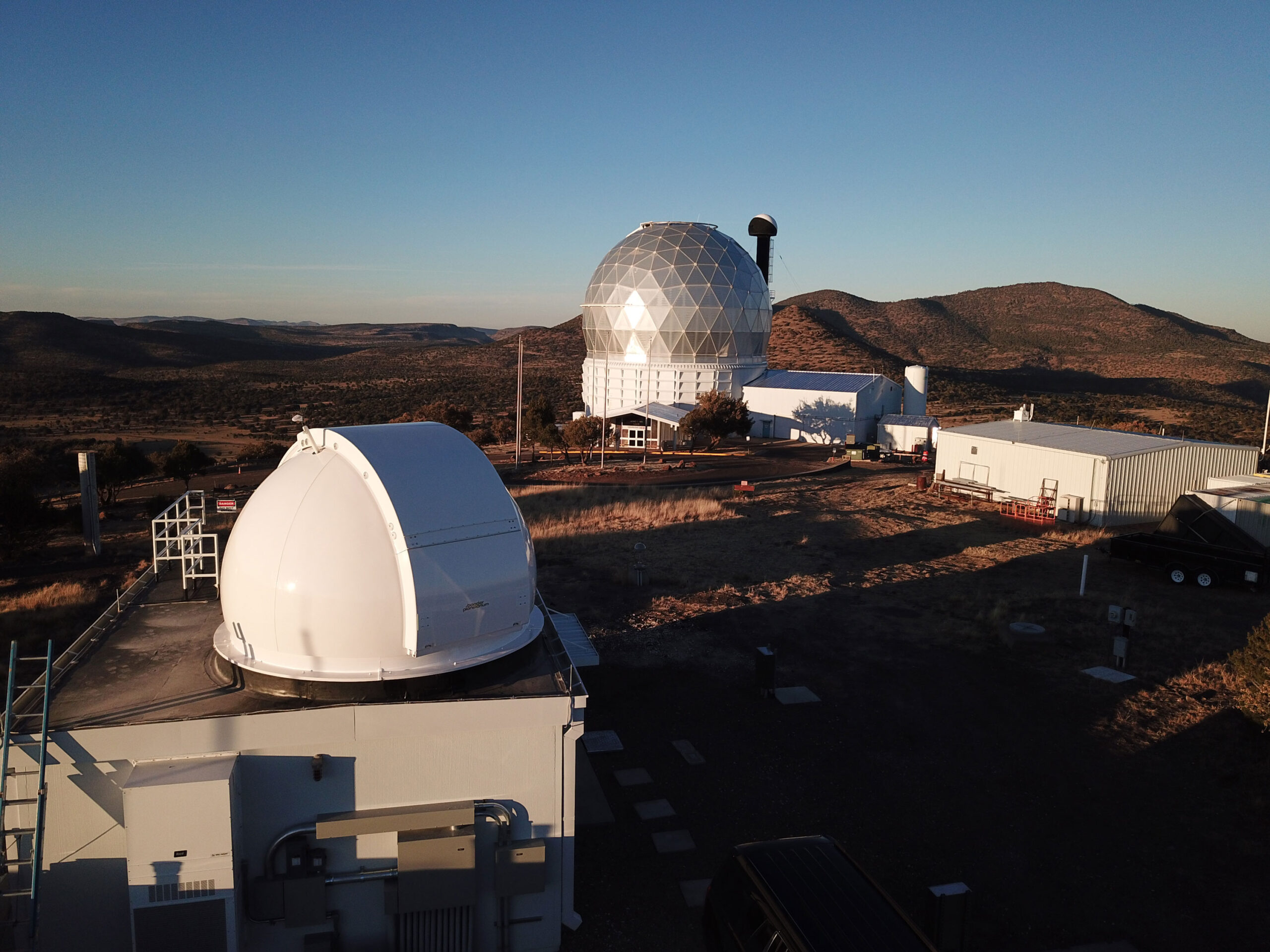
Since 2020, Baader Planetarium has continuously built up its presence in the scientific sector (SLR / SSA / LaserCom). Baader Planetarium develops Highspeed domes for NASA for satellite laser communication and ranging. In April 2019, the first 4.2 m SGSLR dome by Baader is installed at the NASA Goddard Space Flight Center; in January 2020, a second identical facility follows at the McDonald Observatory in Texas, complemented by a third dome in 2022 in Spitsbergen.

Baader is also increasingly present at specialized trade fairs such as SpaceTech (Germany), SpaceCom (UK), and other similar events.

2021

New CEO Johannes Baader

Alongside Thomas Baader, his son Johannes is appointed as the second managing director with sole power of representation. This officially brings the company into its third generation while remaining true to its roots. Johannes Baader, a trained precision optician at Carl Zeiss Jena, joined the family business in 2006 after his apprenticeship and professional experience in the industry. There, he initially worked through all departments of the company to familiarize himself with every area. His in-depth knowledge of design engineering and observatory technology was acquired primarily through self-study and applied over more than 10 years before the family decided to appoint him as managing director.

His two siblings Tobias and Anne also work in the company. Tobias, as CCO (Chief Creative Officer), is responsible for the company’s external presence and marketing, and Anne, as CFO (Chief Financial Officer), is responsible for organization, finance, and administration.

2023

Investment in new CNC machines

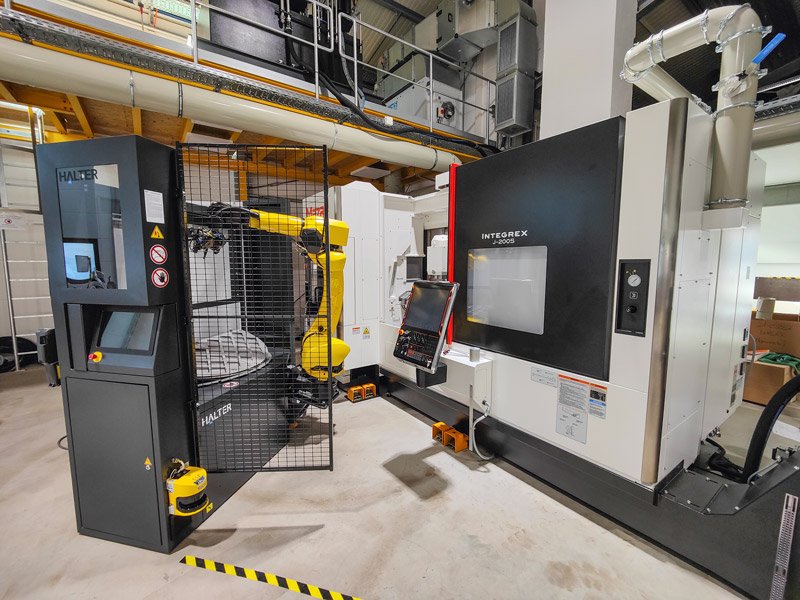
The former dome production hall now houses a total of four different CNC machines. This makes it possible to manufacture adapters and dome components as well as custom-made parts directly in-house – without external service providers.
Thanks to an end-to-end CAD/CAM workflow, precise milled and turned parts are produced with short lead times and high repeatability. Aluminum, stainless steel, and engineering plastics are processed into components that function reliably even under extreme conditions—from high mountains and polar regions to hot, dusty sites.

This is how adapters, dome and drive components, as well as complex mechanical assemblies for telescopes are manufactured entirely in-house.

2024

Telescopes / domes for Bundeswehr

Baader Planetarium is awarded the contract by the Federal Office of Bundeswehr Equipment, Information Technology and In-Service Support (BAAINBw) to deliver two turnkey space surveillance telescope systems for the German Armed Forces (Bundeswehr). The order includes two 1m PlaneWave telescopes with fully automated 6.15m domes, plus all infrastructure. This is the largest single order in the company’s history to date.

The installation followed in 2025.

2025

New project office

Baader’s large-scale projects continue to increase and require extensive internal coordination, among other things due to the sometimes extremely complex parallel telescope installations. However, since the project teams had previously been distributed across different buildings and offices, this made collaboration more difficult.

Therefore, investments were made and new, state-of-the-art office spaces were created, where all colleagues can work together much more efficiently.

2026

60 years of Baader Planetarium

More than half a century after its founding, Baader Planetarium remains at the forefront of the astronomical industry. To date, the family-owned company has installed over 600 observatories worldwide, including numerous fully robotic facilities under extreme conditions. Baader domes and telescope systems are used by leading institutes, universities, and space agencies.

Through long-standing partnerships with organizations such as DLR and the German Armed Forces, ESA and NASA, as well as continuous technological innovation (e.g., in Satellite Laser Ranging and Space Situational Awareness), Baader Planetarium has established itself as a globally recognized company in astronomy and space technology.

The company remains true to its guiding principle: delivering not only products, but complete, tailor-made telescope systems that provide users – from amateur astronomers to space agencies – with lifelong enjoyment and successful observations.

About Baader Planetarium GmbH

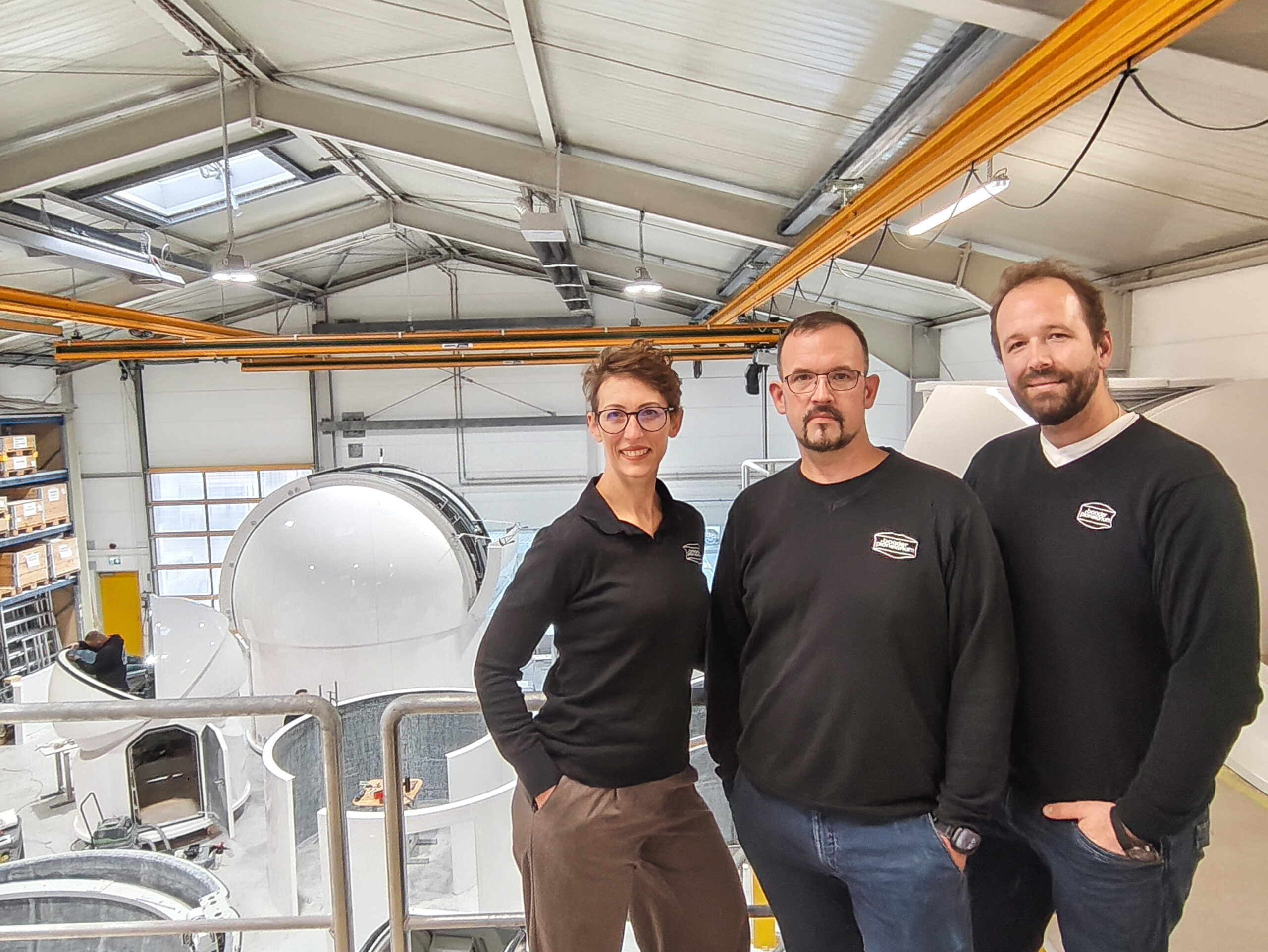
Today, Baader Planetarium is managed by Managing Director Thomas Baader together with his three children (from left to right):

  • Anne Ettmayr (born Baader) – CFO
  • Johannes Baader – CEO
  • Tobias Baader – CCO

Interesting press coverage (German only):