New comets with unusual behavior are constantly making the headlines. However, an "old acquaintance" is currently approaching with powerful show effects.
Comet 12p/Pons-Brooks has an orbital period around the sun of 71 years and was observed probably in China around 700 years ago. It is currently approaching its closest point to the sun again, which it will reach on April 21st, 2024. It will be closest to the Earth on June 2nd, 2024 before disappearing into the outer reaches of the solar system for another 71 years.

As it slowly heats up while approaching the sun, the comet has shown several outbursts of brightness in recent months, which experts explain as ice volcanism (cryovolcanism). During this process, ice heats up under the surface, sublimates (becomes gaseous), expands and breaks through the surface in an eruption. In the process, dust and even more ice is carried away, the comet's coma expands and it becomes brighter. The comet is currently at 9m and is therefore visible and easy to photograph in small amateur telescopes with an aperture of approx. 10cm or more. Here you can find a finder chart, the comet is ideally located near the bright star Vega in Lyra https://theskylive.com/12p-info

12P showed a "black stripe" in its coma during the last eruptions, so that it somewhat resembled the famous "Millenium Falcon" from Star Wars. In the latest outburst a few days ago, it changed its appearance again. As the images by Michael Jäger show, a curved black stripe and a light stripe are visible. There is also a "knot" which could be an area of dense dust or a broken-off piece of the comet.

Be that as it may, this activity makes us sit up and take notice, because such an outburst near the sun would probably make the comet easily visible to the naked eye. Barely two weeks before the closest approach to the sun, on April 8th, 2024, there is also the possibility of seeing it with the naked eye during the total solar eclipse in the USA. But even before that, it will be an interesting observation object for binoculars, small telescopes and certainly also a nice photo object for astrophotographers. It is worth keeping an eye on comet Pons-Brooks from now on, the chances of further large outbursts of brightness in the coming weeks and months are not bad!

Sources:
- https://spaceweather.com/archive.php?view=1&day=19&month=11&year=2023
- https://de.wikipedia.org/wiki/12P/Pons-Brooks
Our Recommendation:
Ideal Combination for Comet Imaging
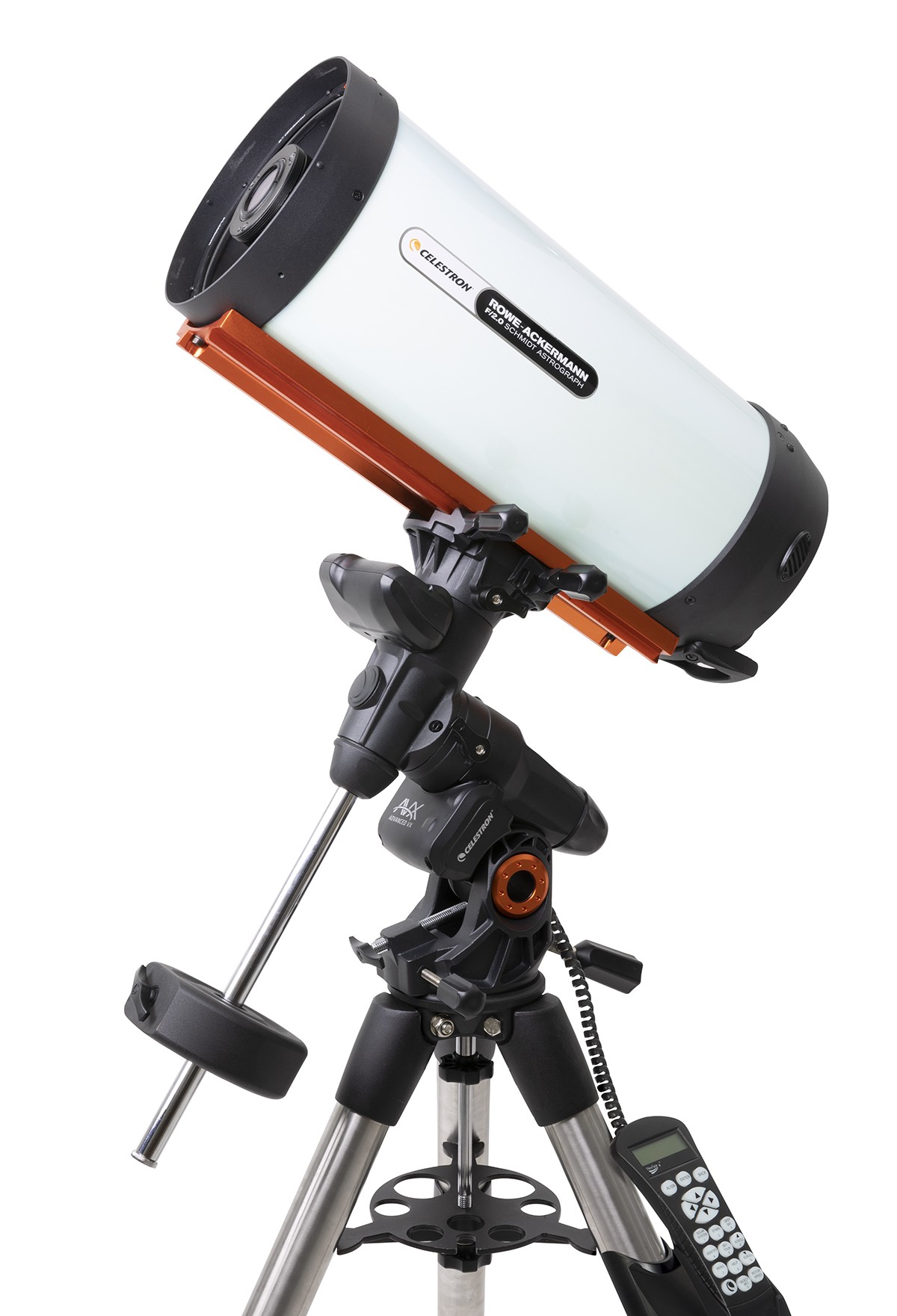
Contrast Enhancement for Comet Hunters